
Morocco is an utterly captivating destination, offering an unparalleled blend of ancient history, dramatic landscapes, and vibrant contemporary culture. Where else in the world can you traverse the towering red dunes of the Sahara, trek the snow-capped peaks of the High Atlas Mountains, and shop in a millennium-old urban maze, all within the span of a single week? After years of traversing this uniquely diverse kingdom, exploring hidden corners from the northern Mediterranean coast to the deep south, we can confidently confirm that Morocco presents an overwhelming sensory experience unmatched by any other country in North Africa — a true introduction to the best places to visit in Morocco for every type of traveler.
This definitive guide serves every kind of traveler, offering essential insight into every corner of the country. Whether you consider yourself a history buff eager to immerse yourself in the medieval intensity of Fes, a seasoned surfer seeking Atlantic waves near Essaouira or Taghazout, or an adventurous trekker aiming for the summits near Imlil, Morocco’s top destinations are guaranteed to deliver an unforgettable trip. The sheer variety ensures that regardless of your passion be it architecture, cuisine, or adrenaline, you will find a region perfectly suited to your travel style and pace.
To help you curate the perfect itinerary and decide exactly where to spend your valuable time, we have compiled a comprehensive list of the most essential locations to visit this year. From the sprawling imperial metropolises to the secluded mountain villages, this list is designed to inspire your route. Before diving into the destinations, ensure you check out our comprehensive guide on planning your trip so you arrive prepared for every possibility and primed to explore.
The Imperial Cities and Cultural Hubs
Marrakech
The chaotic, intoxicating heart of Morocco, Marrakech is a destination that demands full engagement and often leaves travelers feeling simultaneously energized and overwhelmed. The intensity of the city is fully distilled in Djemaa el Fna, the central square where storytellers, food stalls, and performers create an unparalleled nightly spectacle. The sheer volume of people, the assertive nature of vendors, and the constant sensory input can be challenging, but embracing the chaos is part of the unique experience of a city that feels eternally in motion.
Beneath the frenetic surface, however, Marrakech is also the ideal destination for travelers seeking refuge and romance. Hidden behind the high walls of the city’s dense core are stunning, peaceful Marrakech riads, offering pools, courtyards, and exceptional hospitality that provide a quiet sanctuary from the noise. The city is also famed for its traditional spas and hammams, offering restorative treatments, as well as the peaceful, beautiful grounds of the Jardin Majorelle, providing a serene counterpoint to the intensity of the souqs.
Fes
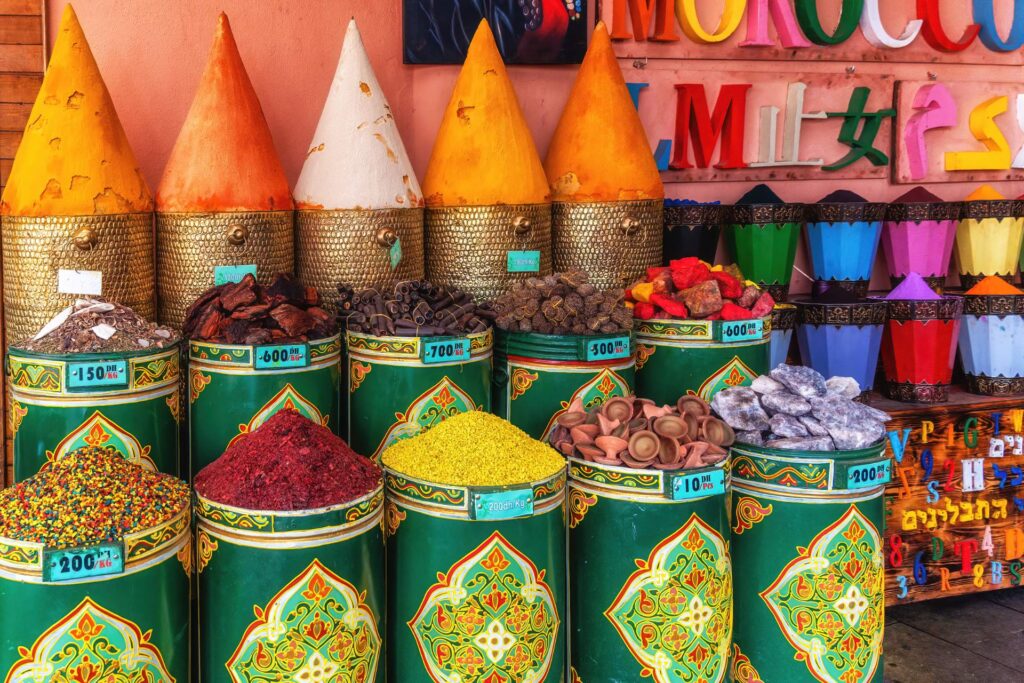
Stepping into the Fes el-Bali (the Old Medina of Fes) is perhaps the most intense form of cultural immersion available in Morocco, leaving many visitors with the delightful feeling of being hopelessly lost in time and space. The Medina, a sprawling UNESCO World Heritage site, is entirely devoid of cars and remains the largest urban zone in the world where daily life is conducted essentially as it was centuries ago. The sensory overload is immediate, driven by the calls of merchants, the smell of spices, and the ubiquitous presence of donkeys hauling goods through the narrow passageways.
The city’s deep history and cultural significance are evident at every turn. A visit to the famous tanneries, while often pungent, provides a truly unique look into a centuries-old production process that has barely changed. Furthermore, Fes is home to the Kairaouine University and Mosque, which houses one of the world’s oldest continually operating libraries, cementing the city’s intellectual legacy. For those looking for the essential travel guide to Fes that covers its winding lanes and ancient customs, our expert insight is invaluable.
Meknes
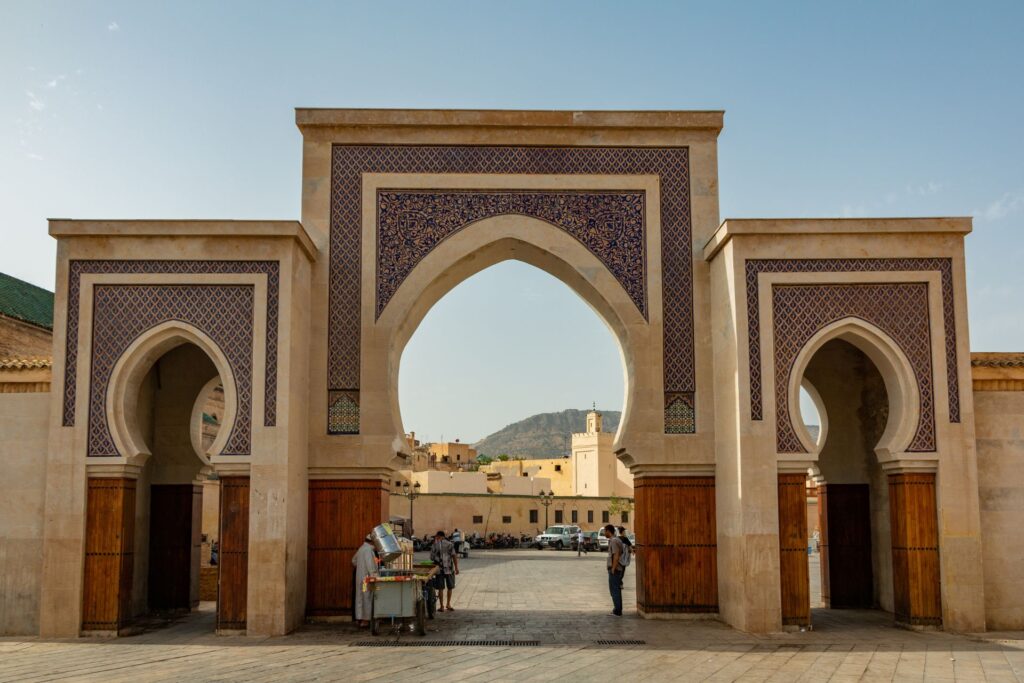
Meknes, often termed the “Forgotten Imperial City,” offers a stark and rewarding contrast to the overwhelming energy of Marrakech and Fes, presenting a more relaxed and authentic glimpse into history. Once the capital of Morocco under Sultan Moulay Ismail, Meknes retains a distinct air of grandeur, evidenced by its colossal royal stables and the intricate artistry of its monumental gate, Bab Mansour. Its medina is more navigable and less overwhelming for first-time visitors, making it a perfect spot for historical exploration. Most itineraries visiting the region include a stop here, often bundling the fascinating Roman ruins of Volubilis with the exploration of Meknes and Volubilis history.
Moulay Idriss and Volubilis
Located just a short journey from Meknes, the town of Moulay Idriss Zerhoun holds immense religious importance as Morocco’s most sacred town and the site of the tomb of its namesake, the founder of the first Arab dynasty. Nearby lies the dramatic archaeological site of Volubilis, the former Roman capital of Mauretania. These well-preserved Roman ruins, complete with stunning mosaic floors, offer a fascinating historical detour. The combination of the holy town and the ancient ruins provides a unique perspective on Morocco’s deep history, connecting Berber, Islamic, and Roman influences in one compact region.
Rabat
Often overlooked by tourists rushing between Fes and Marrakech, Rabat offers a much-needed break from the more intense energy of the imperial cities. As the capital, Rabat is impressively well-rounded, blending wide boulevards and modern infrastructure with a historic core. Its medina is significantly cleaner and notably less hassle-free than its southern counterparts, making it a pleasant place to wander. The city boasts beautiful beaches and a relaxed, international environment, making it an easy and rewarding addition to any itinerary for travelers seeking a quieter pace.
Casablanca
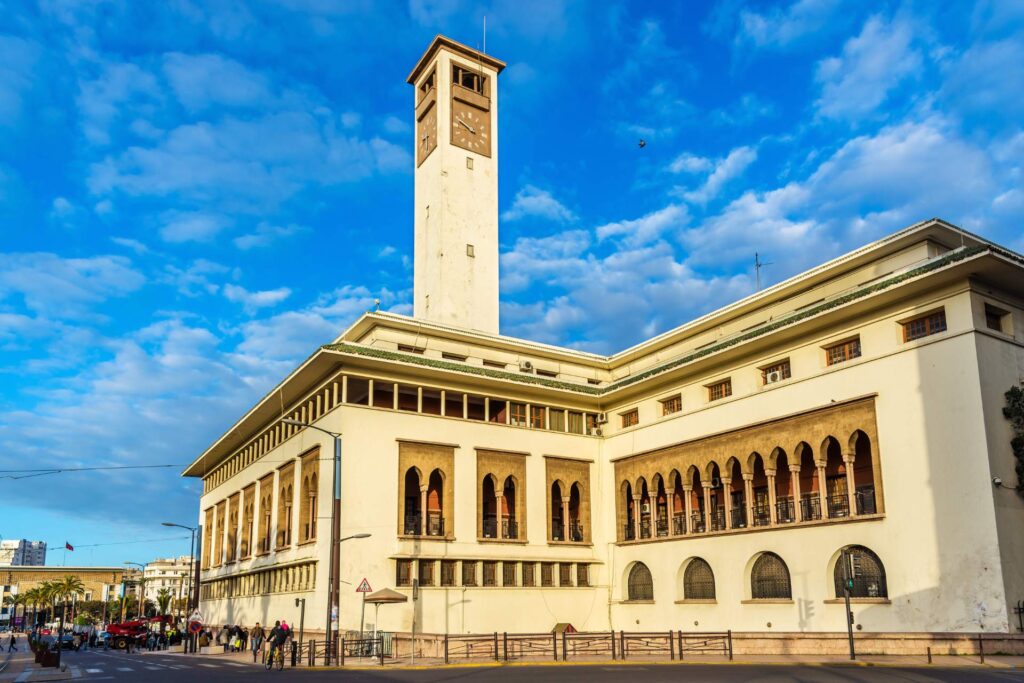
Casablanca is primarily known as the industrial and financial heartbeat of Morocco, possessing a unique multicultural, modern energy that drives the nation forward. While its old medina is often advised to be skipped by travelers seeking authentic historic ambiance, the city is a mandatory stop for one colossal reason: the Hassan II Mosque. The sheer scale and stunning artistry of this structure, which sits partially over the Atlantic Ocean, is breathtaking and an essential piece of contemporary Moroccan architecture that showcases incredible local craftsmanship and modern ambition.
Coast, Surf, and Blue Peaks
Essaouira
Essaouira offers a relaxed, chilled-out vibe, serving as a tranquil retreat from the bustle of the interior cities. The entire coastal town, enclosed by ancient stone ramparts, feels like a genuine leap back in time, with its historic medina and active fishing port creating a picturesque backdrop. The atmosphere here is distinctly bohemian, welcoming travelers, artists, and locals alike to enjoy the cool Atlantic breezes and the laid-back pace of life by the sea.
This coastal paradise is also a global hotspot for water sports, particularly surfing and kitesurfing, thanks to its consistent winds and long stretches of beach. The town offers unusually accessible nightlife and dining experiences compared to other Moroccan cities, appealing to those who enjoy a laid-back, active holiday. If you are heading to the north or west and need coastal guides and tips for cities like Tangier and Essaouira, our travel planners can assist with the logistics.
Agadir
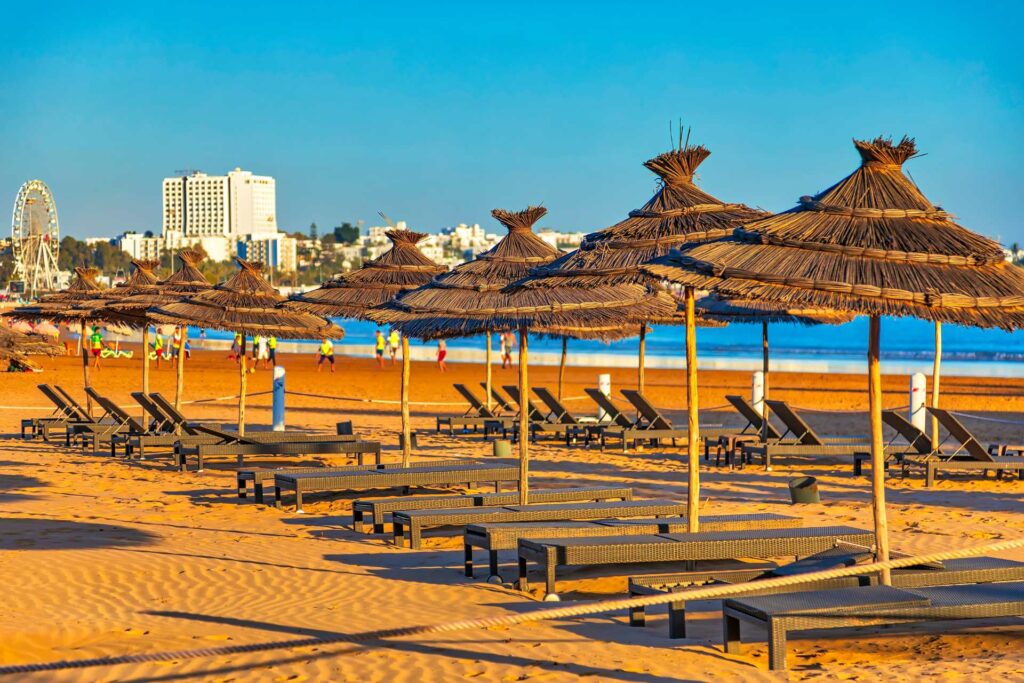
Agadir stands out as Morocco’s primary modern coastal resort, having been almost entirely rebuilt following a devastating earthquake in 1960. Consequently, it offers less historical ambiance than Essaouira but provides outstanding infrastructure specifically tailored to international tourism. The city is famous for Agadir’s long beaches and sweeping promenade, making it a perfect destination for those seeking guaranteed sun, relaxation, and easy access to resort amenities. It is a major hub for package holidays, offering a predictable and sun-drenched beach vacation experience.
Taghazout
Just north of Agadir lies Taghazout, a rapidly growing destination that has earned its reputation as Morocco’s true surf mecca. This former fishing village has transformed into a vibrant, bohemian community fueled by surf camps, yoga retreats, and a chilled-out hostel culture. While it has become increasingly developed, the spirit of the village remains tied to the Atlantic swell, attracting professional riders and beginners alike. Major surf spots like Anchor Point are legendary, and you can easily integrate a visit to the Taghazout village into any extended coastal itinerary from Casablanca.
Imsouane
Further up the coast from Taghazout, the small fishing village of Imsouane has become legendary among the global surf community, often cited as one of the best longboarding waves in the world. Its famous Magic Bay offers an incredibly long, gentle break, perfect for beginners and intermediate surfers looking for relaxed, extended rides. The atmosphere here is notably more rustic and slower-paced than Taghazout, focusing almost entirely on the ocean, fresh seafood, and soaking up the genuinely chilled-out vibe.
Oualidia
Oualidia is a captivating contrast to the surf towns, famed for its tranquil, sheltered lagoon located midway between El Jadida and Essaouira. This coastal gem is a protected area, making it ideal for swimming, non-surf watersports, and birdwatching. Oualidia’s main attraction, however, is its reputation as the oyster capital of Morocco, where fresh oysters are cultivated and served daily. Travelers stop here to enjoy a peaceful break, indulge in fresh seafood, and experience a different side of Morocco’s Atlantic coast.
El Jadida
Located south of Casablanca, El Jadida is a historically significant coastal city best known for its UNESCO-listed Cité Portugaise (Portuguese City). The old fortified city, Mazagan, features impressive Renaissance-era military architecture and is one of the last major Portuguese outposts in Morocco. Visitors are drawn to its defensive ramparts overlooking the sea and the atmospheric Portuguese Cistern, a cavernous underground chamber with stunning reflected light. El Jadida is a perfect stop for history buffs seeking a less crowded, architecturally distinct coastal city.
Chefchaouen
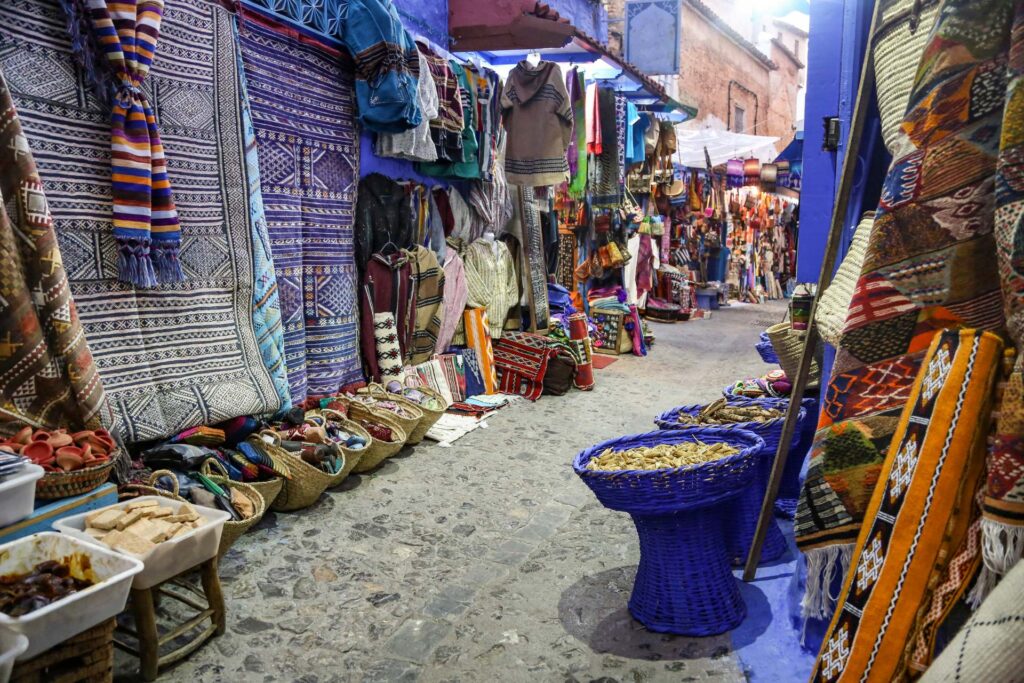
Though sometimes labeled as an “Instagram city” due to its overwhelming photographic appeal, Chefchaouen maintains a genuinely chilled-out, budget-friendly vibe that makes it far more than just a pretty backdrop. Nestled high in the Rif Mountains, the city is famous for its houses and alleyways painted in vibrant shades of blue, a custom that dates back to the 1930s. The primary activities here involve simply wandering the tranquil blue alleys, finding perfect vantage points, and enjoying the relaxed ambiance. Beyond the town, the surrounding Rif Mountains offer superb hiking opportunities, appealing to nature lovers and trekkers looking for clean air and stunning views.
Akchour
Akchour is a spectacular natural area located in the Talassemtane National Park, easily accessible from Chefchaouen. It has earned its nickname due to the lush, dramatic terrain—a series of waterfalls, including the magnificent Grande Cascade, and natural rock formations like the Pont de Dieu (God’s Bridge). This region offers excellent trekking through the rugged, green Rif Mountains, providing a refreshing escape into a powerful, untamed landscape defined by clear river pools and vibrant greenery.
Tangier
Tangier’s unique appeal lies in its geographic position and history, serving as Europe’s African Gateway and providing a crucial connection point. The city possesses a distinct Euro-Afro vibe, blending modernity with traditional Moroccan life and benefitting immensely from its proximity to Spain. Tangier works exceptionally well as a base for day trips, allowing travelers to quickly access nearby coastal gems like Asilah, known for its quiet, artistic medina, and the historic Hercules Caves. The city is highly accessible due to the Al Boraq high-speed train, which efficiently connects it to Rabat and Casablanca.
Atlas Mountains and Sahara Desert Adventure
Merzouga & Erg Chebbi
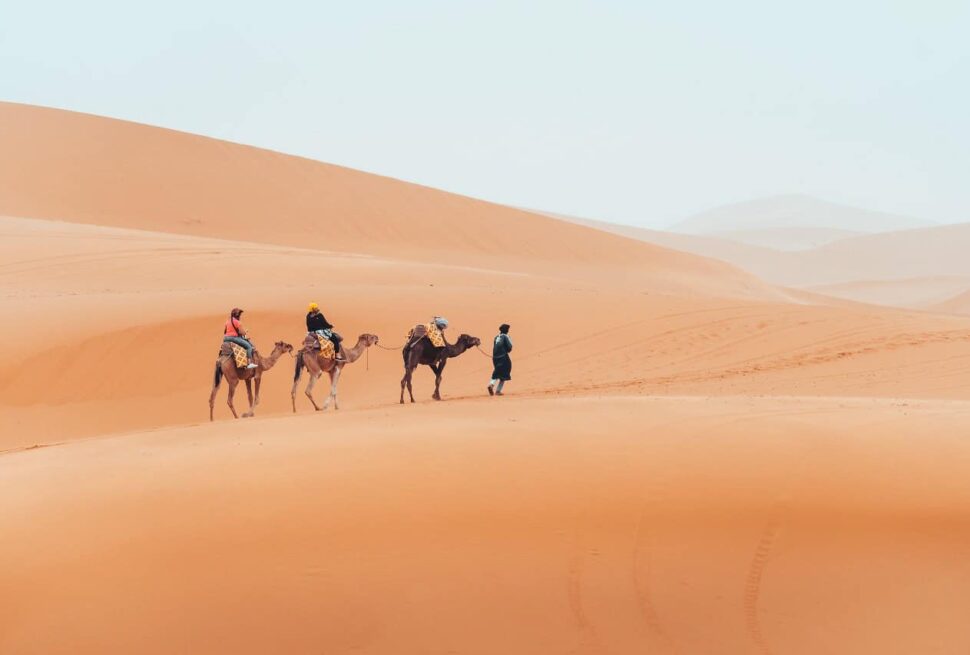
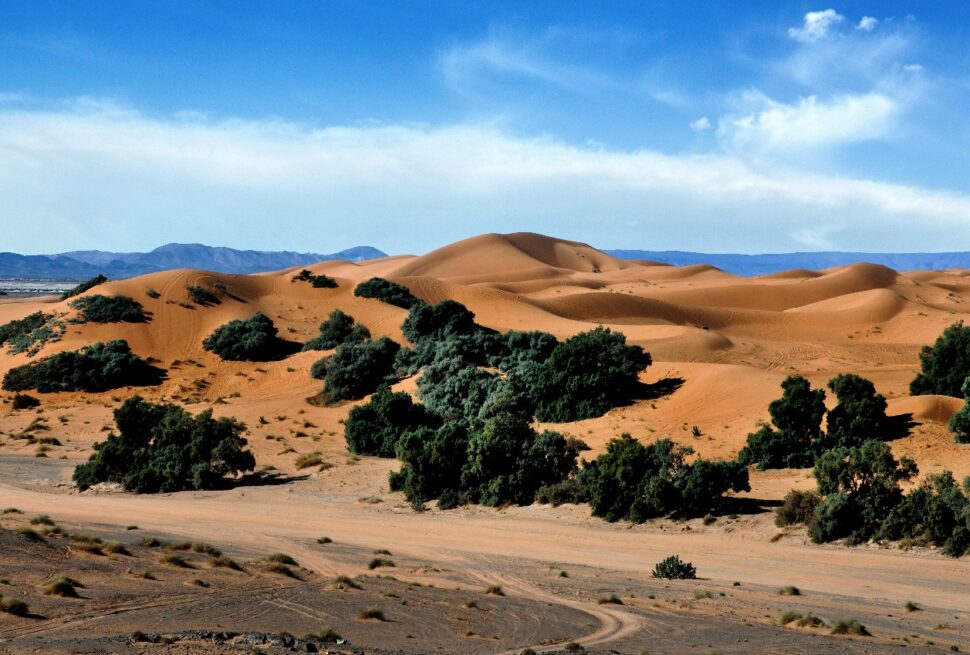
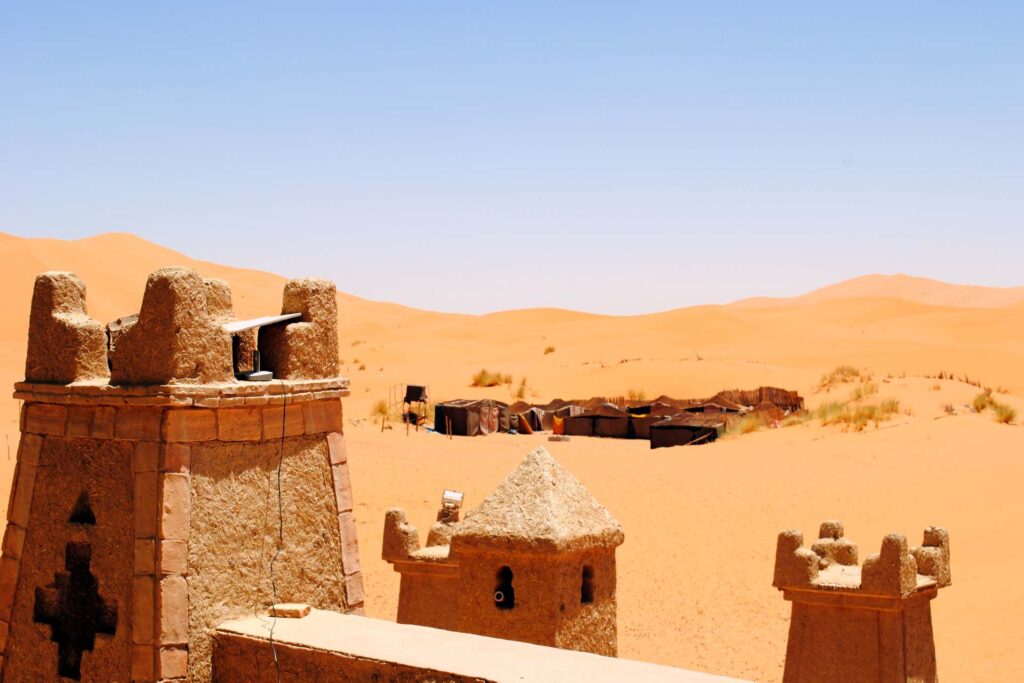
Visiting the Sahara Desert near Merzouga and the Erg Chebbi dunes is the definitive Moroccan adventure, offering an immersive escape from modern life. The sheer scale of the desert landscape is overwhelming, transforming into an endless ocean of soft, red-orange dunes that rise over 150 meters high. Staying overnight in a traditional camp, watching the stars under an unpolluted sky, is an experience of profound tranquility and solitude that few other landscapes can offer across the globe.
While the convenience of very cheap desert tours from Marrakech exists, travelers should invest in a higher-quality, more authentic experience to truly appreciate the solitude of the desert. The long journey is worth it for a comfortable camp and knowledgeable local guides, offering a more intimate experience. For those seeking even greater isolation, the more remote Erg Chigaga dunes are a worthy alternative. Ensure you book a comprehensive Morocco desert tour guide that includes transport, such as our popular 3 days desert tour from Fes to Marrakech.
Imlil and Toubkal
Imlil serves as the essential base for those planning the iconic trek to Mount Toubkal, which, at 4,167 meters, stands as North Africa’s tallest peak. This High Atlas village is a vibrant hub for the region’s Berber population and offers stunning views of dramatic mountain scenery. While there are many picturesque hiking routes available nearby that do not require a guide, trekking to the Toubkal summit is mandatory with a certified local guide due to the challenging terrain and rapidly changing weather conditions. For those interested in the professionalism and quality of our guides, you can learn more about us and our approach to responsible mountaineering.
Todgha Gorge and Dades Gorge
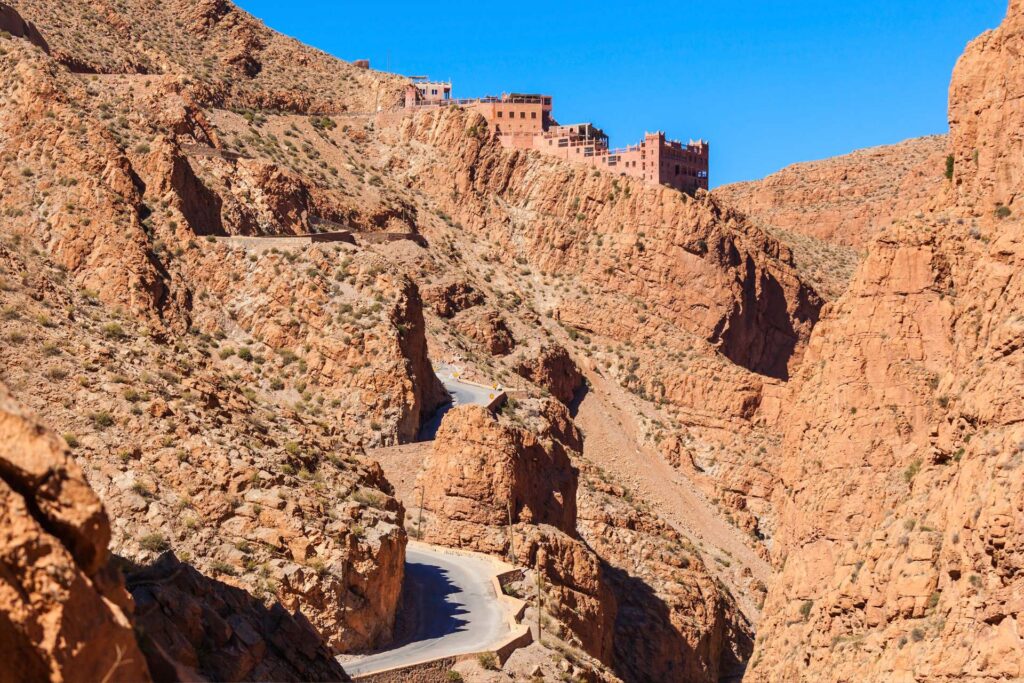
The stretch of road running through the High Atlas foothills is dramatically punctuated by two stunning natural canyons: Todgha Gorge and Dades Gorge. Todgha Gorge is famous for its massive, sheer canyon walls that narrow to a mere 10 meters wide, creating a spectacular walk along the riverbed. Dades Gorge, conversely, is known for its winding “monkey fingers” rock formations and the hairpin turns of the road that climbs through the valley. Both gorges form a critical part of the tourist route between the mountains and the Sahara, showcasing the breathtaking power of the Moroccan landscape.
Drâa Valley
The Drâa Valley represents the largest palm grove in Morocco, a long, snaking ribbon of green that extends for hundreds of kilometers south of Ouarzazate, heading toward the Sahara. This fertile valley, created by the Drâa River, is dotted with ancient fortified mud-brick villages (ksars) and historic kasbahs, many of which date back to the days of the Saharan caravan trade. Exploring the Drâa Valley offers a deep dive into Berber life, traditional architecture, and the beautiful contrast between the vibrant green oases and the surrounding arid desert mountains.
Kasbah Telouet
Located deep in the Atlas Mountains off the main road to Ouarzazate, Kasbah Telouet is a powerful but crumbling reminder of Morocco’s feudal past. Once the palatial seat of the powerful Glaoui family, who controlled the caravan routes through the High Atlas, the kasbah is now largely in a state of beautiful decay. Visitors come to admire the few remarkably preserved inner chambers, which feature stunning zellij tilework and painted cedar ceilings, providing a stark contrast to the vast, crumbling fortifications surrounding it.
Ait Benhaddou
The ancient fortified village, or ksar, of Ait Benhaddou is one of the country’s most visually impressive sites, featuring massive earthen buildings that climb the side of a hill. This UNESCO World Heritage site is famous globally as a filming location, having served as a key backdrop for major productions like Game of Thrones and Gladiator. The ksar is best explored at the golden hours of sunrise or sunset, when the red mud bricks glow against the sky. Ait Benhaddou is efficiently included in nearly all standard Sahara desert tour itineraries originating from Marrakech and Ouarzazate.
Southern Hidden Gems
Taroudant: Little Marrakech
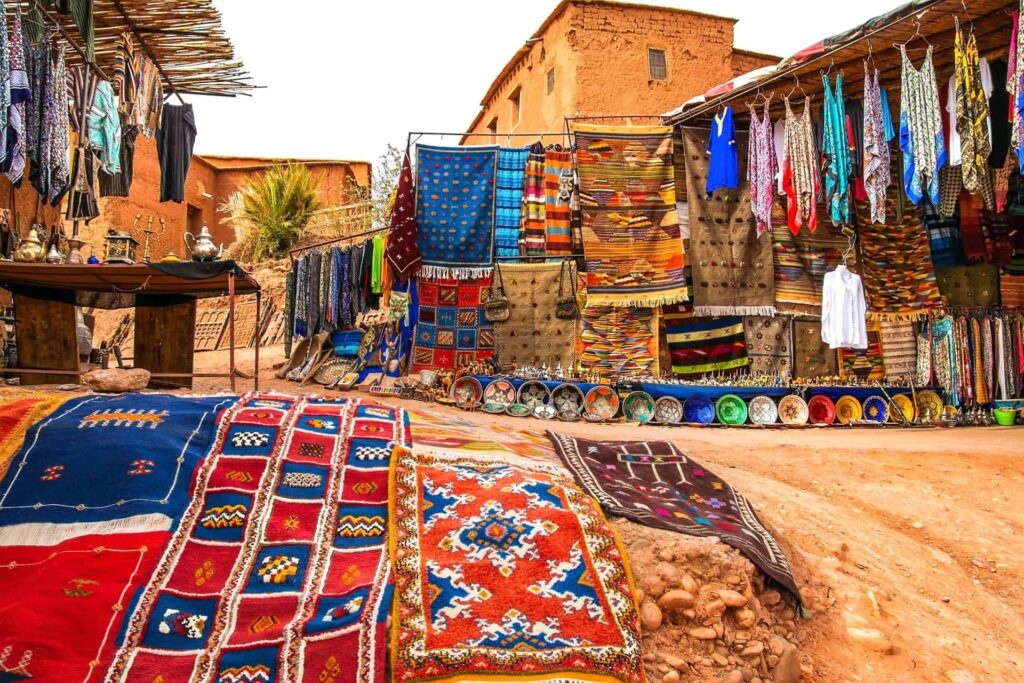
Often referred to as “Little Marrakech,” Taroudant is a relaxed, walled market town in the Souss Valley, known for its red mud-brick ramparts that fully enclose the medina. Unlike its larger counterpart, Taroudant has largely resisted mass tourism, offering a more authentic, low-key atmosphere. Visitors enjoy exploring its two main souks—the Berber market and the Arab market—where they can find local crafts, spices, and renowned leather goods. It serves as a great base for exploring the Anti-Atlas mountains and nearby oases.
Planning Your Trip: Essential Travel Logistics
Getting Around
Navigating Morocco is relatively straightforward, thanks to a functional public transport network. The ONCF train service is highly efficient and comfortable but limited primarily to the northern corridor (Tangier, Rabat, Fes, Casablanca). For an extensive network covering smaller towns and the south, CTM and Supratours buses are reliable and affordable. Within cities, petit taxis handle local transport, while grand taxis offer shared intercity routes. The Al Boraq high-speed train, linking the northern cities, is a marvel of modern engineering. Planning ahead is key, especially when connecting major hubs like those involved in casablanca tours, so we recommend consulting a comprehensive transportation guide for full details.
Must-Try Moroccan Cuisine
Moroccan cuisine is world-renowned and forms an indispensable part of the travel experience. The core of the culinary landscape is Tagine, a savory, slow-cooked stew named after the earthenware pot it is prepared in. Couscous, the national dish, is typically reserved for special occasions or family dinners on Fridays. No visit is complete without participating in the traditional welcome ceremony of highly sweetened Mint Tea. Regional specialties like the slow-cooked lamb Tanjia (Marrakech) and the savory-sweet pigeon pie Pastilla are also essential tasting items. For more details on must-try regional dishes, feel free to contact us directly for recommendations.
Travel Insurance and Safety Tips
Travel insurance is an absolute necessity for any trip, particularly in Morocco where itineraries often involve remote trekking in the Atlas Mountains or long road trips through the desert. It is critical that your travel insurance policy covers emergency medical evacuation, especially if participating in adventure activities. As a general safety note, always be aware of your belongings and environment when navigating crowded medinas, and exercise basic caution in busy tourist areas.