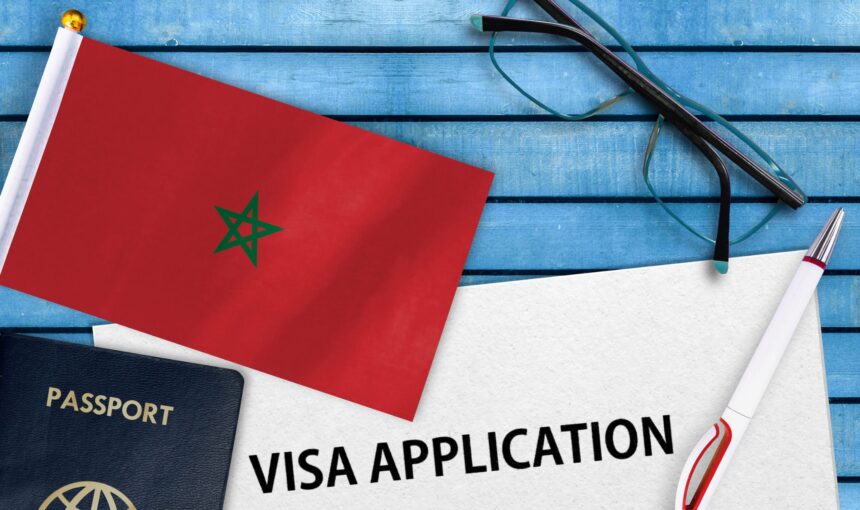
Many Travelers who wanted to Visit Morocco wondering if they do you need a visa for morocco, So in This This introduction clarifies whether entry requires paperwork, how long stays last, and which entry routes are simplest. Expect clear steps to plan travel with confidence and set expectations for this North African destination from day one.
Many nationalities enjoy visa‑free access for short visits, while select passports can apply for an ETA or e‑Visa online. Rules change, so check the official website to confirm the current list before booking.
We explain how visa‑free entry works, outline differences between ETA and e‑Visa, and list what border officers may request, like onward tickets, hotel details, and proof of funds. This helps organize documents in advance and pass checks smoothly.
What to expect next: Passport validity rules, permitted lengths of stay that vary by countries, and when a consular permit is required for longer stays or work. Practical guidance on timing, fees, and processing windows is included later in the article.
1. Verify entry rules on the official website.
2. Learn the difference between visa‑free, ETA, and e‑Visa.
3. Prepare proof of onward travel and accommodation.
Quick answer for U.S. travelers
Most U.S. passport holders may enter Morocco without prior consular formalities for short tourism trips. The practical limit and document checks are straightforward, so planning stays and paperwork is simple.
U.S. citizens: visa-free stays and typical 90-day tourism limit
If holding a U.S. passport, citizens generally enjoy visa-free entry for tourism up to 90 days. The 90-day count begins on the date of arrival. Overstaying can lead to fines or future entry restrictions, so track days carefully.
Border officers commonly ask for proof of onward travel, accommodation reservations, and enough funds to cover the visit. Keep both printed and digital copies of key booking confirmations and insurance details to present on request.
Passport requirements: validity of at least 6 months from entry date
Your passport should show at least six months’ validity from the arrival date. Renew early if the document is near that threshold to avoid check-in or border problems.
Before travel, confirm the latest information with official Moroccan government sources to ensure nothing has changed since booking.
Do you need a visa for Morocco
Many passports enjoy short-term entry without prior consular clearance, but the official roster changes from time to time. Check current rules early so plans stay on track.
Visa-exempt nationalities and changing government lists
Several countries qualify for visa-free travel for tourism. Lengths vary: some passports get 90 days, others 60 or 30. The government updates the exemption list occasionally, so rely on the official website for the latest information.
When an application is required
If a passport is not on the public list, an application must happen before travel. Eligible travellers can apply online via ETA or e‑Visa. Others should contact the nearest Moroccan consulate to request a sticker permit.
Tip: Gather passport details, nationality, and intended travel dates first. That makes checking visa requirements fast and prevents last‑minute hiccups.
Visa-free entry conditions: what Moroccan authorities may request at the border
At arrival, Moroccan border officers often check a short bundle of trip documents before granting entry. Presenting clear paperwork speeds processing and removes doubt.
Travel documents to carry
Passport with at least six months’ validity is essential. Keep return or onward tickets and accommodation confirmations ready. A simple itinerary or hotel email can answer quick questions.
Proof of funds, travel insurance, and arrival card
Immigration may request proof that funds cover the stay. An international bank card or reasonable cash (often cited as over €70 per person per day) is commonly accepted. Keep travel insurance confirmation visible; medical and repatriation coverage is preferred.
You’ll fill a short arrival card with names, dates, and addresses. Match these details to booking emails to avoid delays.
Length of stay by nationality
Permitted stay varies: some passports receive 30 or 60 days instead of the longer allowance. Confirm the exact limit shown on entry and plan itineraries accordingly.
Final tip: Carry both printed and digital copies of key documents and check official sources for the latest information before travel.
Morocco electronic options: ETA and e‑Visa explained
Two online entry pathways simplify short trips: the ETA for select passports and an e‑Visa for a broader list. Both act as a quick travel document issued before arrival and cover tourism, business, or transit purposes only.
Who can apply
The ETA is limited to certain nationals, including Guinea, Mali, and the Republic and Democratic Republic of the Congo. The e‑Visa accepts ordinary passports from several countries such as Thailand, Israel, Guatemala, Jordan, India, and Azerbaijan.
Validity and entry rules
Most e‑Visas issue as single entry. Once inside, travelers can request conversion to multiple entry. Overall online permit validity may reach 180 days, but each visit usually caps at 30 days.
Permitted uses and important conditions
Both options cover short tourism and business trips or transit. Neither authorizes employment. Expect processing in 24–72 hours; submit the online application early if additional checks appear. Keep a printed copy with passport to avoid delays when entering Morocco.
How to apply online: application steps, documents, and processing time
Begin the online process by checking eligibility and assembling clear scans of travel documents. Keep a strong, clear copy of the passport bio page ready. Confirm intended travel dates and accommodation before starting.
check eligibility and gather required items
Start with an official eligibility check on the official eligibility page. Gather the passport bio page, accommodation details, and a travel plan. Have a payment card ready to cover the nonrefundable fee.
complete the form and upload the passport page
Complete the application carefully, matching names and dates exactly to passport entries. Upload clear scans or photos of the passport bio page and any requested supporting files. Pay the online fee by card; submission finishes only after payment posts.
Expected time and printing the approval
Expect processing in roughly 24–72 hours. Officials may request extra information, so allow extra time before travel. Once approved, download and print the ETA or e‑Visa page. Carry printed copies and a phone PDF, and arrive via approved international entry points.
Final tip: Keep one printed page with the travel document and passport together to speed border checks and avoid delays.
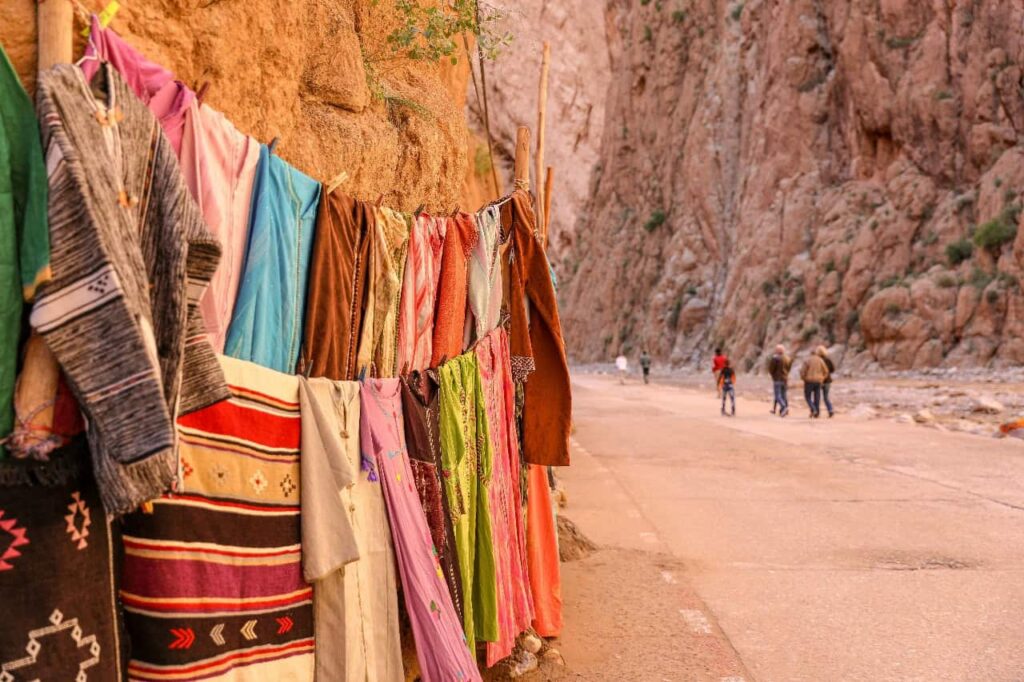
When you need a visa from a Moroccan consulate or embassy
If online entry options don’t apply, consular procedures step in to handle longer stays and work permits. Start early and gather clear documents so the process runs smoothly.
Non-eligible passports, longer stays, and work permits
If a passport lacks online eligibility or trip plans exceed short-term rules, apply at the nearest moroccan consulate. Employment is not allowed under ETA or e‑Visa pathways; any work plans require formal consular authorization.
Consulates list exact requirements, timelines, and interview steps. Citizens with changing eligibility should reconfirm current information before paying fees.
Finding official contacts: Moroccan consulate and government website
Use the national government portal or the closest moroccan consulate to get forms and the right application checklist. Inside the country, residence permit filings are handled at the local police station.
Typical residence paperwork includes a criminal history record, medical certificate, court record (casier judiciaire), passport copies, and processing fees. Keep originals and photocopies neatly organized to save time at submission and pickup.
Extending your stay, overstays, and compliance with visa requirements
Extensions of short stays are handled locally and often depend on available procedures at immigration offices. Standard permissions vary by nationality, commonly 30, 60, or 90 days. Note the stamp on arrival; that marks the official limit.
How extensions work
If more time helps travel plans, start the request well before the expiry date. Visit the local immigration office with passport, accommodation details, and onward travel proof. Bring clear information that supports the reason to stay longer.
Risks and enforcement
Overstaying can trigger fines, administrative hurdles, or removal procedures. Local authorities may check documents at transport hubs and in cities. Carry ID, the entry stamp, and one printed copy of the relevant government page showing current requirements.
Quick tips: Plan routes around the permitted time, ask about extensions early, and build buffer days into itineraries. When in doubt, contact the nearest immigration office rather than assuming a workaround.
Entry, customs, and local-law essentials for travelers
Expect thorough inspections of certain items at the border, and declare when uncertain. Customs enforces strict rules on firearms, drones/UAVs, religious materials, antiquities, business equipment, and large currency amounts. Dirhams must be reconverted with an exchange receipt.
Customs controls
Authorities may inspect luggage and tech gear. Declare antiques or equipment on arrival to avoid confiscation or fines. Never send passports by international courier; seized documents are routed to the U.S. Consulate in Casablanca.
Local laws and safety
Keep passports on hand. Routine document checks occur; absence can lead to temporary detention while status is confirmed. Avoid photographing palaces, government buildings, or diplomatic sites. Proselytizing is strictly prohibited and can prompt arrest.
Practical travel advice
LGB travelers should act low‑key; same‑sex relations remain criminalized. Accessibility improves in main rail hubs but is limited elsewhere. Women should favor well‑lit areas and vetted transport. If arrested, request consular notification and give clear information to officials at the police station.
Tip: Follow official government channels before departure and keep key documents together to enjoy the destination with confidence.
What to bring: documents checklist for a smooth trip
Pack a small bundle of verified documents to answer common border questions quickly. Keep items easy to reach in a carry-on folder and a secure cloud copy. This makes checkpoints calm and efficient.
Passport, return/onward ticket, accommodation proof
Passport must be valid at least six months beyond the arrival date. Carry a printed flight confirmation for both directions of the trip.
Keep hotel bookings handy. If staying with friends or family, include their invitation and local contact numbers.
Proof of funds, travel insurance, and emergency contacts
Show a payment card and a small cash reserve to demonstrate funds. This usually makes secondary questions quick and simple.
Bring the travel insurance policy with emergency numbers, ideally covering medical and repatriation. Add a one-page emergency sheet with home contact, local address, and embassy details.
Make sure names and dates match across reservations, passports, and airline records. Store key documents in two places — carry-on and secure cloud storage — so plans stay on track even if luggage is delayed.
Conclusion
Check official channels early to match permitted days with your travel itinerary. Rules and online options can change, so confirm the latest information on the government website before booking. This saves time and prevents surprises at the border.
Keep your passport valid well past planned travel dates and gather proof of onward tickets, accommodation, and funds. Print the approval page if an online application processed and keep a phone backup to present the travel document quickly.
If online routes apply, submit the application early. For longer stays or work, contact the nearest moroccan consulate and follow official requirements to stay compliant.
Respect local laws, follow current travel advice, and carry emergency contacts so the trip stays safe and memorable.
FAQ
Do you need a visa to enter Morocco?
Many nationalities can enter Morocco without a visa for short stays. Entry rules change, so check the Moroccan government website or your nearest consulate before travel. Citizens of some countries must apply in advance through a consulate or the official e‑visa/ETA platform.
Quick answer for U.S. travelers: entry, days you can stay, and passport validity
U.S. citizens generally enjoy visa-free tourism visits, typically up to 90 days. Your passport should be valid for at least six months from the date you arrive. Border officers may ask for proof of onward travel and accommodation details.
Which nationalities are visa-exempt and can the list change?
Morocco maintains a list of visa-exempt countries that includes many European, American, and some Asian nations. The list may change, so verify with Moroccan authorities or an embassy before booking. Rely on official sources for the latest updates.
When must travellers apply for a visa before arrival?
Passport holders from countries not on the visa-exempt list must apply at a Moroccan consulate or through the official online system if eligible. This applies when planning stays beyond the visa-free period or when the passport type requires pre-approval.
What documents might Moroccan authorities request at the border?
Carry a valid passport, return or onward ticket, proof of accommodation, and an itinerary. Officials may also ask for proof of sufficient funds, travel insurance, and a completed entry card. Keep originals and digital copies handy.
Is proof of funds, travel insurance, or an entry card required?
Yes, officers may request evidence of enough funds to cover the stay and travel insurance that covers medical emergencies. An entry card is sometimes issued on arrival; save it until departure. Requirements can vary by nationality and purpose of visit.
How long can visitors stay—30, 60, or 90 days?
Lengths of stay depend on nationality: common limits are 30, 60, or 90 days. Check the specific allowance tied to your passport. Overstaying can lead to fines, refusal of reentry, or deportation.
What electronic options exist—ETA and e‑Visa—and who is eligible?
Morocco offers electronic travel authorizations (ETA) and e‑Visas to certain nationalities. Eligibility depends on your passport and travel purpose. Use the official Moroccan e‑visa portal to see if you qualify and to apply securely.
What are single-entry rules, multiple-entry options, and maximum stay limits?
Some electronic authorizations are single-entry with a fixed validity period; others allow multiple entries. Maximum allowable stay per visit is set by nationality and visa type. The e‑visa or ETA will state exact entry and duration rules.
Can an electronic travel permit be used for work?
No. ETAs and tourist e‑Visas are for tourism, business meetings, or transit only. If planning paid work or residency, apply for the appropriate permit through a Moroccan consulate well before travel.
How do you apply online: steps, documents, and processing time?
First, confirm eligibility on the official site. Prepare your passport bio page, recent photo, travel itinerary, and payment method. Complete the online form, upload documents, and pay the nonrefundable fee. Processing often takes 24–72 hours but can vary.
What should be prepared before starting an online application?
Check passport validity, gather a clear scan of the passport photo page, recent digital photo, proof of accommodation, and payment card. Ensure names match exactly and use the email you monitor during processing.
What happens after applying and how is the permit delivered?
After approval, you typically receive an email with the authorization or a downloadable e‑document. Print a copy and keep an electronic version. Some nationalities must present it at check‑in or on arrival.
When must a Moroccan consulate or embassy be contacted for a visa?
Contact the nearest Moroccan consulate if your passport is not eligible for electronic entry, if you plan to stay longer than permitted, or if you require work, student, or residency permits. The consulate can confirm requirements and accept applications.
How do you find official consulate contacts and government guidance?
Use the Moroccan Ministry of Foreign Affairs website or the embassy/consulate pages for correct addresses, phone numbers, and guidance. Official sites list fees, appointment rules, and downloadable forms.
How can stays be extended and what are the rules on overstaying?
Extensions may be granted by local immigration offices for valid reasons; apply before your authorized stay ends. Overstaying risks fines, detention, deportation, and future entry bans. Follow local procedures and seek help from your embassy if needed.
What enforcement actions may authorities take for noncompliance?
Authorities can impose fines, detain individuals, order deportation, or bar reentry. Police or immigration officers may check documents, and consular notification protocols exist for foreign nationals who face serious issues.
What customs rules should travellers know—currency, drones, and sensitive materials?
Declare large sums of currency at arrival. Drone use is restricted and may require permits. Avoid bringing political or sensitive religious materials that could raise concerns. Check customs rules before packing.
What local laws and safety tips should be observed?
Respect local customs and laws, carry ID, and be ready for routine document checks. Public behavior is regulated; modest dress is advised in conservative areas. In emergencies, contact your embassy and local police promptly.
Any specific advice for women, LGBTQ+ travellers, and those with disabilities?
Women should follow local cultural norms and avoid isolated areas at night. LGBTQ+ travellers should be discreet in public as laws and social acceptance vary. Travellers with disabilities should confirm accessibility with accommodations and transport providers beforehand.
What documents are essential to bring for a smooth border experience?
Carry your passport, return or onward ticket, proof of accommodation, evidence of funds, travel insurance, and emergency contacts. Keep digital backups and copies stored separately in case of loss.