
Deciding on the perfect length for your visit to Morocco is one of the most important steps in planning your journey. Many travelers begin by asking how many days to see Morocco, and the answer depends entirely on the adventure you want. This diverse country offers imperial cities, vast deserts, and rugged mountains. Your ideal trip duration truly depends on the experience you seek. Are you looking for a fast-paced highlights tour or a deep cultural immersion? A quick five-day visit can cover key areas, while a longer stay allows for a more relaxed pace. Most travelers find that a 7 to 10-day itinerary offers the best balance.
This timeframe lets you experience major destinations without feeling rushed. You can comfortably explore the vibrant souks, historic sites, and stunning landscapes. For a truly comprehensive experience covering diverse regions, consider a two to three-week journey.
Morocco is a large country, about twice the size of Germany. Travel times between cities can be lengthy. Proper planning ensures you spend less time in transit and more time creating unforgettable memories. For a great example of what you can accomplish, check out this detailed northern Morocco itinerary for 7 days.
This guide will help you build a realistic plan based on your interests and available time. You’ll discover how to create an itinerary that feels enriching, not exhausting. Let’s find the perfect timeline for your Moroccan exploration.
Introduction:
The moment you arrive in this captivating country, you’ll discover why it stands as one of the world’s most diverse travel destinations. Situated at Africa’s northwestern tip, Morocco blends Berber, Arab, African, and European influences into a unique cultural tapestry.
Why Morocco Should Be Your Next Destination
This North African nation offers an incredible variety of landscapes within a compact area. You can journey from Mediterranean coasts to the mighty Atlas Mountains. The vast Sahara Desert awaits with its golden dunes.
Historic cities like Marrakesh and Fez provide living connections to millennia of history. Their ancient medinas and bustling souks coexist with modern urban energy. The cultural experience here feels both timeless and contemporary.
Moroccan hospitality shines through in every interaction. Locals welcome visitors with genuine warmth and pride in sharing traditions. From mint tea ceremonies to centuries-old crafts, you’ll connect with culture in meaningful ways.
The country offers exceptional value across all budget ranges. Getting here is easier than ever with improved flight connections. Your journey promises unforgettable moments that will transform your perspective on travel.
How Many Days To See Morocco
Many travelers underestimate the travel time required to truly experience Morocco’s diverse regions. This North African nation spans an area comparable to twice Germany’s size. Those beautiful places you’ve imagined are often hours apart.
Roads wind through mountain passes and desert expanses. Even short distances can take considerable time. Your journey around Morocco becomes part of the adventure itself. Scenic drives reveal hidden villages and dramatic landscapes. Spontaneous encounters with locals often become trip highlights. Rushing between cities means missing these magical moments.
A well-paced itinerary makes your visit Morocco deeply rewarding. Allow days to wander medinas without hurry. Linger over meals and absorb each place’s unique atmosphere. You’ll discover that meaningful experience beats checking boxes. Whether exploring ancient cities or the vast desert, patience rewards you richly. Proper planning ensures your days feel enriching rather than exhausting.
Determining Your Ideal Itinerary Duration
Your Moroccan experience will be shaped significantly by how you allocate your available travel period. Start by honestly assessing your vacation time, energy level, and travel style. The perfect itinerary balances your desires with practical realities.
If you have just 5-7 days for your trip, focus on one or two regions. This approach offers richer engagement with fewer locations. You’ll discover meaningful connections without constant movement.
A 7-10 day itinerary represents the sweet spot for most travelers. This time frame allows you to experience imperial cities, desert landscapes, and coastal towns. You can travel comfortably between destinations while absorbing each place’s unique character.
With more days available, your options expand significantly. Longer trips let you explore hidden gems and build in rest periods. Remember that a well-paced itinerary creates deeper connections than a rushed marathon.
Consider your companions’ needs when planning your trip. Families, couples, and solo adventurers have different priorities. The best options always prioritize quality experiences over quantity of sights.
Highlights of Morocco: From Bustling Cities to the Sahara Desert
The true magic of this North African nation unfolds through its contrasting environments. You’ll discover bustling urban centers and serene natural wonders that create a complete travel experience.
Marrakech and Fes
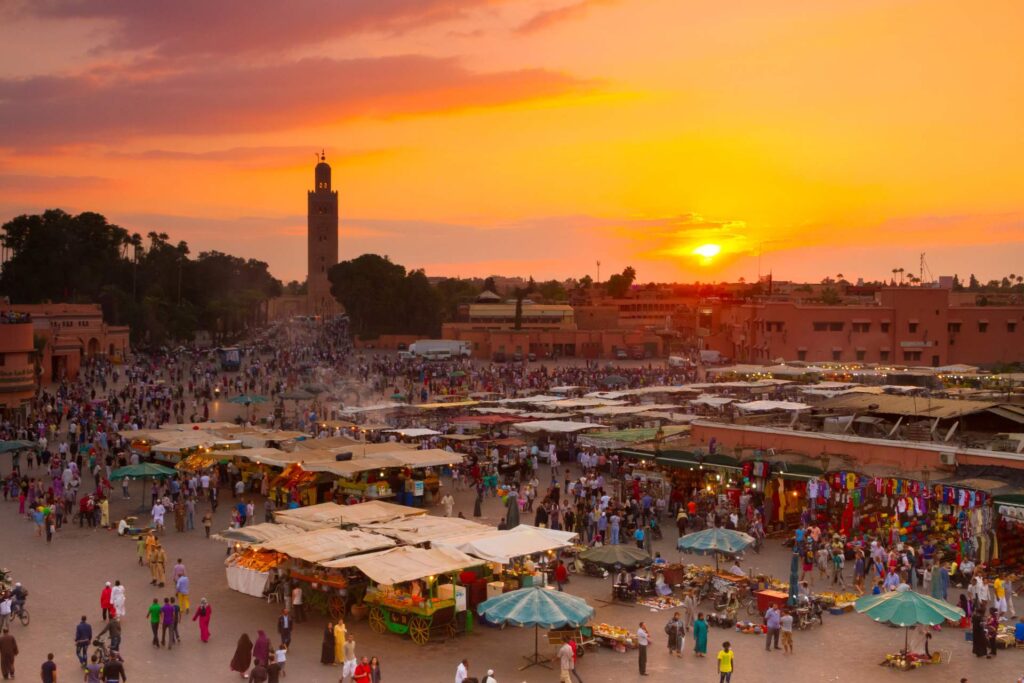
Your exploration of Moroccan cities begins with the vibrant energy of Marrakech. The famous Jemaa el-Fnaa square pulses with life day and night. Nearby souks overflow with handcrafted treasures and aromatic spices.
The journey continues to Fes, where ancient traditions thrive within its UNESCO-listed medina. Artisans practice centuries-old crafts in workshops unchanged for generations. This cultural immersion reveals the heart of authentic city Morocco life.
Sahara Desert
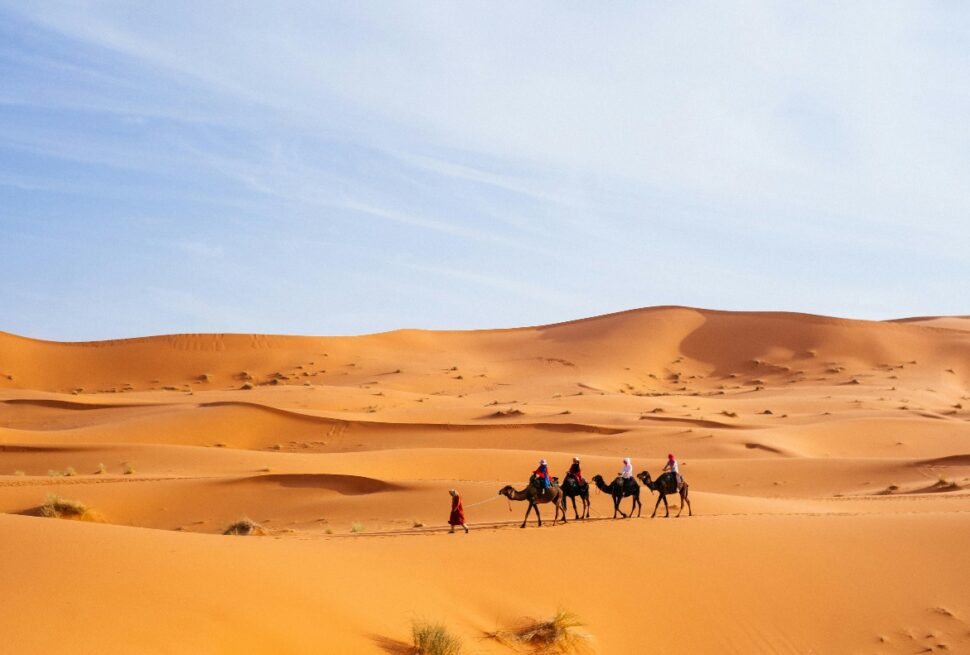
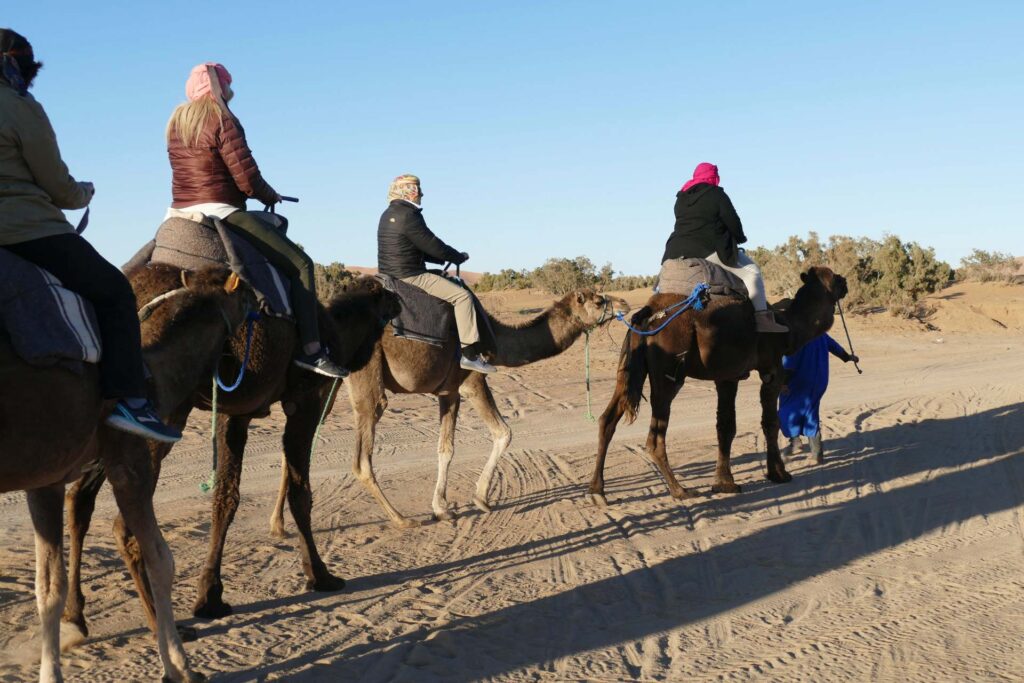
Venturing south brings you to the magnificent Sahara Desert. Here, camel treks carry you across towering sand dunes that glow with sunset colors. The landscape feels otherworldly and profoundly peaceful.
At Erg Chebbi, dunes rise over 150 meters high against vast skies. Nights spent in desert camps reveal star-filled heavens. Sunrise paints the desert in breathtaking shades of pink and purple.
Between these destinations, the Atlas Mountains offer spectacular scenery and traditional villages. Each region contributes to Morocco’s rich tapestry of culture and natural beauty.
Navigating Moroccan Cities and Uncovering Hidden Gems
Urban exploration in this remarkable country offers some of your most authentic cultural encounters. Each city presents a unique character that invites discovery beyond the main tourist paths.
Exploring Medinas and Vibrant Souks
The historic medinas form the heart of moroccan cities, where ancient traditions thrive in car-free zones. These maze-like quarters reveal hidden gems around every corner—artisan workshops, neighborhood mosques, and bustling markets.
Wandering through vibrant souks provides more than shopping opportunities. You’ll watch craftspeople at work and engage with local people whose families have occupied the same stalls for generations. The atmosphere feels both timeless and alive.
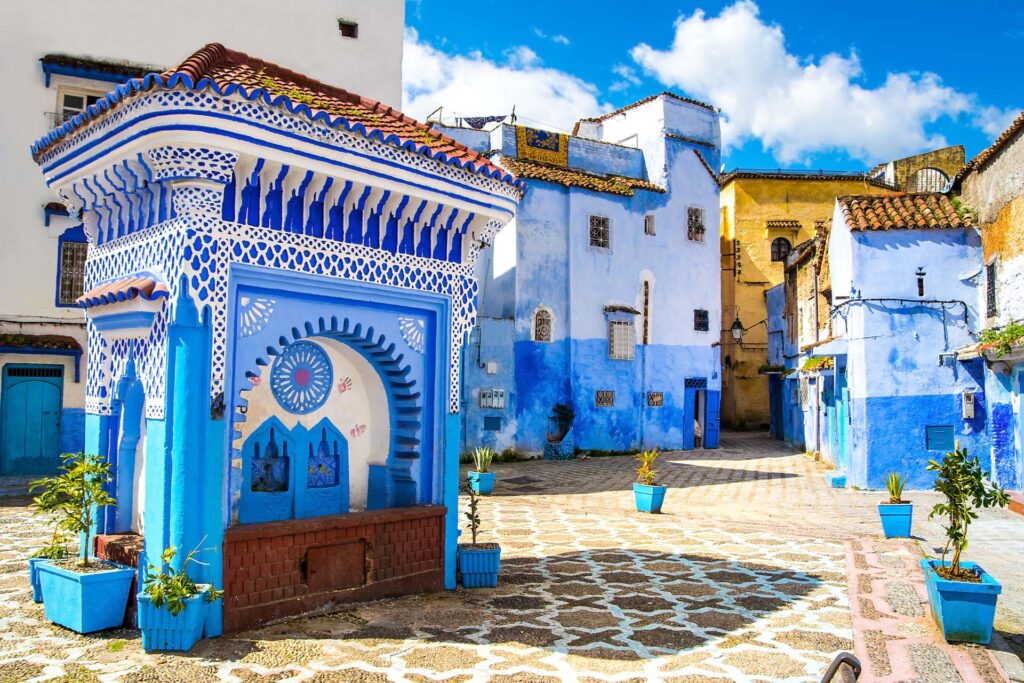
Each city around morocco offers distinct experiences. Chefchaouen’s blue-washed walls create a dreamy atmosphere in the Rif Mountains. Tangier blends European and African influences with cosmopolitan charm. The capital city of Rabat deserves special attention for its relaxed urban experience. Beautiful coastal promenades and well-preserved historical sites offer glimpses into contemporary life away from tourist crowds.
Embrace the unique rhythms of city morocco life—the calls to prayer, afternoon siestas, and evening promenades. Some of your most memorable moments happen when you simply follow intriguing sounds down side streets.
Renting a Car and Planning Your Route
Taking the wheel for your Moroccan adventure transforms your travel experience, giving you complete control over your itinerary and pace. A well-planned road trip lets you stop at scenic viewpoints and discover charming villages that organized tours often miss.
Renting a car is straightforward through international companies like Avis, Hertz, and Europcar. Daily rates typically range from 300-600 dirhams, making it surprisingly affordable when shared among travel companions. Always book in advance for the best rates and ensure you have an International Driving Permit.
Tips for a Stress-Free Drive in Morocco
Plan your route with realistic expectations about driving hours. The journey from Marrakech to the Sahara Desert takes about 7.5 hours, while coastal drives offer more relaxed pacing. Morocco’s main highways are excellent, but rural roads can be challenging.
These practical tips will help any driver navigate confidently. Expect chaotic city traffic and frequent police checkpoints. Document your rental car‘s condition thoroughly and purchase comprehensive insurance for peace of mind.
If driving isn’t your preference, comfortable bus services and efficient trains connect major cities. Grand taxi services offer flexible intercity travel options too. Whatever way you choose to explore, the freedom of a personalized journey awaits.
Exploring the High Atlas Mountains and Ait Ben Haddou
The High Atlas Mountains stand as a breathtaking natural barrier that transforms your journey from urban exploration to alpine adventure. This majestic range creates a dramatic spine across the country, offering scenery that completely redefines your expectations of North African landscapes.
Scenic Views in the High Atlas
Winding mountain roads deliver one spectacular panorama after another through the High Atlas. You’ll discover traditional Berber villages where ancient ways of life continue unchanged. Terraced agriculture clings to steep hillsides, and warm hospitality awaits in every valley.
The Atlas Mountains reveal hidden gems around each bend. The Tizi n’Tichka pass offers breathtaking views as North Africa’s highest major mountain crossing. The Ourika Valley’s waterfalls provide refreshing stops amid rugged beauty.
A UNESCO World Heritage Landmark
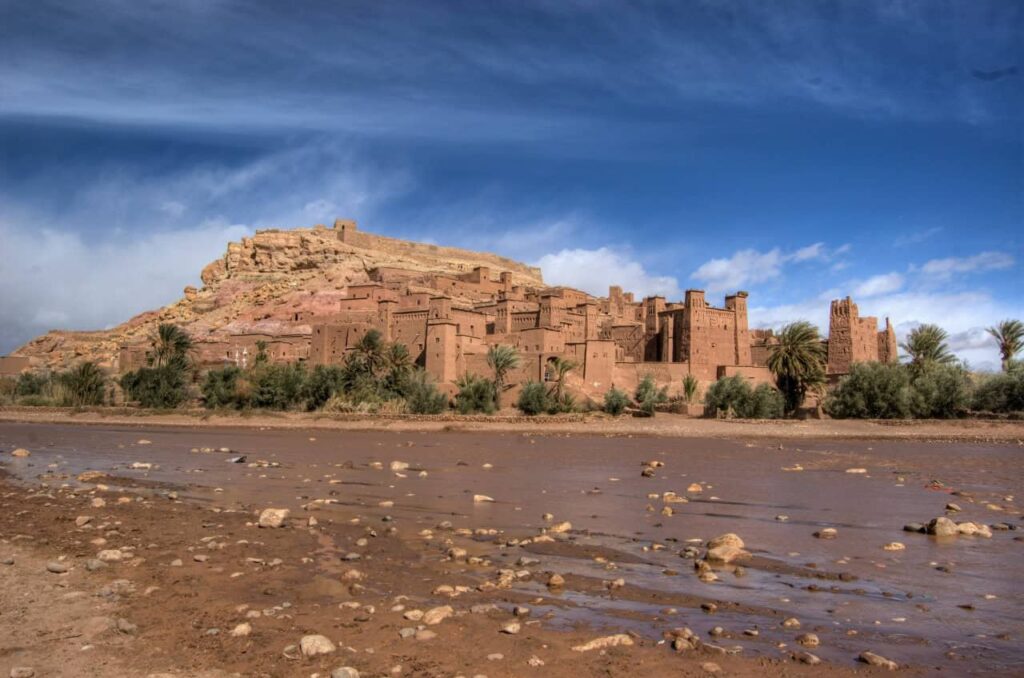
Ait Ben Haddou represents one of Morocco’s most iconic destinations. This UNESCO World Heritage site showcases earthen clay architecture that has remained virtually unchanged for centuries. The layered kasbahs create an unforgettable silhouette against the hillside.
This remarkable place gained fame through films like Gladiator and Game of Thrones. Beyond Hollywood connections, it reveals profound architectural history. Exploring narrow passages between ancient buildings feels like stepping back in time.
Visit during golden hour when sunset illuminates the red clay walls. Climb to the top for panoramic views that capture the essence of Moroccan history and landscape. The High Atlas Mountains provide the perfect backdrop for this unforgettable place.
Immersing in Moroccan Culture
Beyond the stunning landscapes and historic sites, Morocco’s true soul reveals itself through daily cultural rituals. Your deepest connections will form through shared moments rather than tourist attractions. This authentic experience transforms your visit into something truly meaningful.
Local Cuisine and Timeless Traditions
The ritual of mint tea represents the heart of Moroccan hospitality. You’ll encounter this sweet, aromatic beverage served with elaborate ceremony. The pouring from height creates a foamy top that enhances the flavor.
Traditional cuisine offers another gateway into local culture. Tagines slow-cooked in distinctive clay pots fill the air with enticing aromas. Each region boasts its own culinary specialties that reflect centuries of tradition.
Understanding the local way of life helps you connect more deeply with the people. Simple gestures like accepting tea invitations open doors to genuine interactions. These moments often become your most cherished memories.
The traditional hammam provides a unique cultural experience of cleansing and community. This steam bath ritual followed by vigorous scrubbing leaves you feeling rejuvenated. It’s a practice deeply embedded in Moroccan culture.
Throughout your journey, the warm hospitality of the people will continually surprise you. Shopkeepers, drivers, and families welcome visitors with genuine interest. Their generosity in sharing traditions makes every encounter special.
This approach to travel creates a richer way of experiencing the country. You’ll find that participating in daily life offers insights no guidebook can provide. The simple act of sharing mint tea can lead to friendships that last long after your visit ends.
Discovering UNESCO World Heritage Sites in Morocco
Morocco’s UNESCO World Heritage sites offer unparalleled windows into the country’s rich architectural legacy. These nine protected treasures showcase centuries of artistic mastery across North Africa. You’ll discover how different civilizations left their mark on this crossroads region.
Each site tells a unique story of cultural preservation. They represent the finest examples of Islamic architecture and urban planning. Exploring them takes you beyond typical tourism into deep appreciation of Moroccan history.
Architectural Marvels in Marrakech
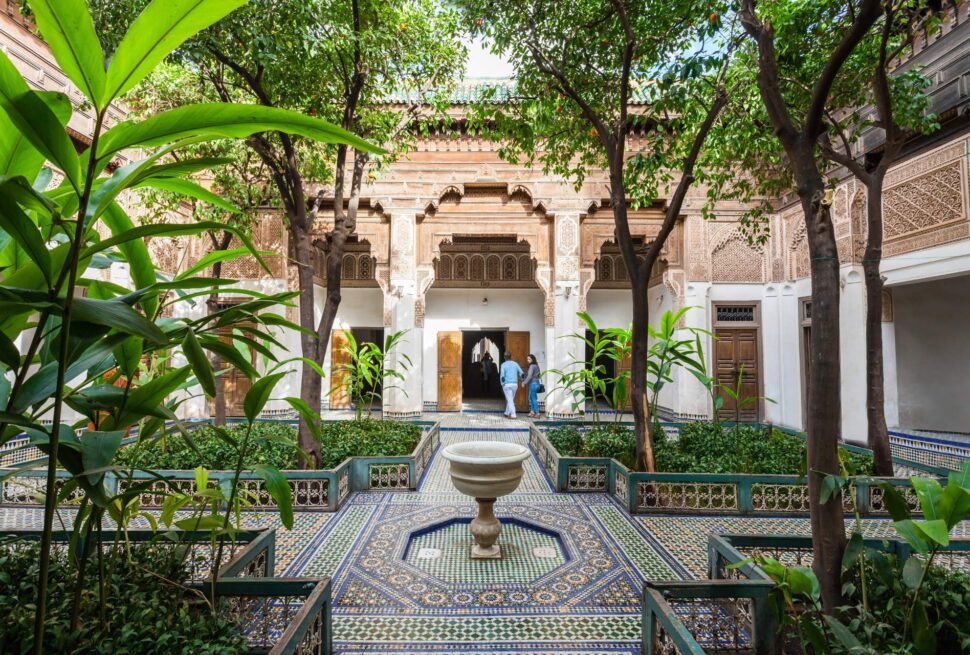
Marrakech dazzles with its iconic landmarks. The Koutoubia Mosque’s 12th-century minaret dominates the city skyline. Nearby, the Bahia Palace reveals intricate stucco work and colorful tile mosaics.
These structures demonstrate Almohad architectural genius. The historic medina itself feels like a living museum. You’ll wander through souks that have operated for centuries.
Historic Medinas of Fez and Chefchaouen
Fez’s medina stands as one of the world’s largest car-free urban zones. This UNESCO World Heritage site echoes with medieval life. Donkey caravans still navigate narrow alleys filled with ancient workshops.
While not UNESCO-listed, Chefchaouen’s blue-painted medina captivates visitors. The mountain setting creates a photogenic city experience. Both cities offer distinct flavors of Moroccan urban life.
The Hassan II Mosque in Casablanca represents modern architectural ambition. This magnificent structure demonstrates that excellence continues today. Each site contributes to Morocco’s remarkable world heritage story.
Planning Your Sahara Desert Experience
The Sahara Desert experience stands out as a transformative chapter in your travel story. This overnight adventure creates memories that stay with you long after returning home.
Overnight Camel Treks and Desert Camps
Your desert journey typically begins around 5:00 PM in Merzouga, the gateway to Erg Chebbi’s impressive sand dunes. You’ll embark on an hour-long camel trek as the sun begins its descent.
The shifting colors of the dunes during sunset create a magical atmosphere. Your desert camp offers varying comfort levels, from basic Berber tents to luxury accommodations with private facilities.
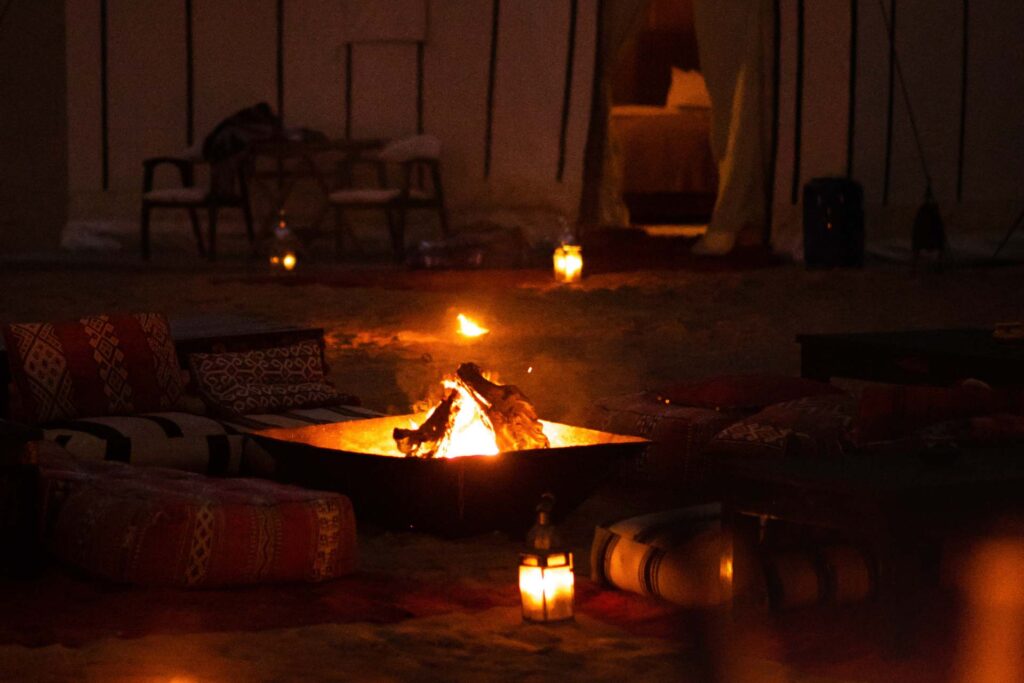
Dinner under star-filled skies accompanied by traditional music makes for an unforgettable evening. Wake-up calls come early around 4:00 AM to witness sunrise painting the dunes in spectacular shades.
Temperatures rise quickly after 7:00 AM, making morning the ideal time for photography and camel riding. The entire experience spans from late afternoon through mid-morning the next day.
For detailed guidance on creating your perfect Sahara Desert tour in Morocco, research options that match your comfort needs. Bring warm layers for chilly desert nights and allow adequate time in your itinerary for this remarkable experience.
Budgeting and Practical Tips for Your Morocco Trip
Planning your budget effectively ensures your Moroccan adventure remains affordable and stress-free. Your trip expenses will vary based on travel style and season. Understanding typical prices helps you make smart choices.
Estimating Travel Costs and Accommodation Options
Accommodation options range dramatically from budget riads at $38-41 per night to luxury properties around $180-388. Mid-range hotels offer excellent value at $80-100. These prices reflect the country’s outstanding affordability compared to European destinations.
Daily travel costs break down reasonably. Budget travelers can manage on $30-50 per day, while mid-range explorers spend $75-125. Luxury experiences run $200+ daily. These figures cover lodging, meals, and local transportation.
Transportation options include convenient taxi services within each city. Petit taxi rides typically cost 50-100 MAD. For longer distances, comfortable bus services and domestic flights provide excellent value.
Smart budgeting tips include eating at local restaurants and shopping in neighborhood markets. Traveling during shoulder seasons can reduce accommodation prices by 30-50%. Your trip becomes more enjoyable when financial concerns are managed wisely.
Safety and Local Etiquette
Navigating Morocco with cultural awareness ensures your adventure remains respectful and rewarding. Understanding local customs transforms your travel experience into meaningful connections with the people you meet.
Dress modestly to show respect in this Muslim country. Women should pack lightweight layers that cover shoulders and knees, especially when visiting religious sites. Cities like Marrakech offer more flexibility, while Fes maintains traditional expectations.
Be prepared for unofficial guides approaching you at popular spots. A polite but firm “No, thank you” usually works. Authorized guides always wear professional badges and don’t aggressively solicit business. When driving around Morocco, expect frequent police checkpoints near towns. These routine stops help maintain safety. Respect urban speed limits of 20-60 km/h for a smooth journey.
Street parking attendants in bright vests provide helpful service for small tips. These practical tips ensure your visit feels comfortable and secure. Embracing local culture enriches every moment of your exploration. Simple gestures like accepting mint tea invitations or removing shoes before entering homes demonstrate cultural sensitivity. This way of traveling creates positive interactions that become cherished memories.
Flexible Itinerary Options
Crafting the perfect Moroccan adventure begins with choosing an itinerary that matches your available time and travel preferences. Each duration offers distinct experiences that showcase different facets of this remarkable country.
A condensed 5-day trip focuses on the classic Marrakech-to-Sahara route. Your first day explores Marrakech’s vibrant medina and Jemaa el-Fnaa square. The second day involves a scenic 12-hour drive through the Atlas Mountains, passing Ait Ben Haddou and Ouarzazate.
Day three takes you through Tinghir Oasis and Todra Gorge to reach your desert camp. After a magical night under the stars, you return to Marrakech on day four. The final day reveals the city’s architectural gems like Bahia Palace and Majorelle Garden.
With 7 days, you gain more flexibility. You can explore northern cities like Chefchaouen and Fes, or add coastal towns to your journey. A 10-day itinerary allows for comprehensive regional exploration.
These options serve as flexible frameworks rather than rigid schedules. Adjust based on your interests and remember that slower travel often creates richer experiences. Being realistic about travel times between cities ensures your trip feels rewarding rather than rushed.
Optimizing Your Morocco Road Trip
Mastering the art of road trip optimization ensures you spend more time exploring and less time navigating. Your entire trip experience improves dramatically with strategic planning.
Creating a logical loop for your itinerary prevents unnecessary backtracking. Consider flying into Marrakech and exiting through Tangier. This way maximizes efficiency across your journey.
Seasonal Traffic and Weather Considerations
Timing your drives makes a significant difference. Depart around 7:00 AM for long hours on the road. You’ll avoid city traffic and intense afternoon heat. The drive from Marrakech to the desert takes about 7.5 hours. This route winds through spectacular Atlas Mountains scenery. Plan scenic stops at Ait Ben Haddou and Todra Gorge.
Seasonal factors greatly impact your car adventure. Summer brings extreme heat to inland areas. Winter may bring snow to mountain passes. Build flexibility into your itinerary. Don’t schedule important activities after long driving hours. Spontaneous discoveries often become trip highlights. Your trip through the Atlas Mountains and desert regions rewards careful planning. The right way to travel ensures memorable experiences without exhaustion.
When Is the Best Time to Visit Morocco?
The rhythm of your Moroccan discovery changes dramatically with the turning seasons, each bringing unique opportunities and considerations. Your choice of time to visit Morocco directly shapes the character of your entire travel experience.
Spring and Fall
Spring and autumn create perfect conditions for exploring this diverse country. From mid-March through June, wildflowers bloom across the Atlas Mountains while cities enjoy comfortable temperatures. The fall months from September to October offer similar advantages with harvest festivals adding cultural richness.
These shoulder seasons reveal hidden gems without summer crowds. You’ll find more authentic interactions with locals who have extra time for conversation. Prices remain reasonable before peak tourist periods.
Summer demands strategic planning for your visit. Coastal cities provide refreshing escapes while inland areas experience intense heat. The Atlas Mountains offer cool retreats perfect for hiking adventures.
Winter brings a different Morocco with fewer tourists and lower prices. Cities remain comfortable for urban exploration, while desert conditions become ideal for Saharan adventures. You’ll discover hidden gems shining brightest during quieter months.
Each season offers distinct advantages for your Moroccan travel. The right time to visit depends on your preferred activities and tolerance for weather extremes.
Conclusion
Your journey through this captivating land promises memories that will last a lifetime. You now possess the insights to craft a trip perfectly tailored to your dreams and schedule. Whether you choose a focused five-day adventure or a more extensive exploration, your itinerary is the key to a rewarding experience.
Remember that the best moments often arise from slowing down. A spontaneous chat over mint tea or a detour to a hidden village can become the highlight of your travel. This country of stunning contrasts rewards those who embrace its pace.
Let your personal style guide your plan. Some prefer deep immersion in a few places, while others enjoy covering more ground. Both approaches are valid if they create the adventure you seek.
The practical advice in this guide gives you a solid foundation. You can plan confidently for your journey around Morocco. Prepare for an adventure that will inspire you to return long after your final day.
FAQ
What is the ideal number of days for a first-time visit to Morocco?
For a well-rounded trip covering major cities like Marrakech and Fes, plus the High Atlas Mountains and a brief Sahara Desert experience, we recommend 7 to 10 days. This duration allows you to absorb the culture without feeling rushed. Shorter 5-day itinerary options are great for focusing on one region.
Is it better to rent a car or hire a driver for a road trip?
Hiring a local driver is often the most stress-free option for navigating the country. They know the roads, handle checkpoints, and can reveal hidden gems. Renting a car offers more freedom but requires confidence driving in bustling Moroccan cities and on mountain passes.
What are the must-see UNESCO World Heritage sites?
Don’t miss the historic Ksar of Ait Ben Haddou, the medinas of Fes and Marrakech, and the Hassan II Mosque in Casablanca. These UNESCO World Heritage landmarks offer a profound glimpse into the history and architectural brilliance of North Africa.
When is the best time to visit for good weather?
The best time to visit Morocco is during the spring (March to May) and fall (September to November). These seasons offer pleasant temperatures perfect for exploring cities, hiking in the Atlas Mountains, and camping in the desert without extreme heat.
How should I budget for a trip?
A Travel costs can vary. Budget travelers can find affordable hostels and street food, while luxury accommodation options and private tours increase the price. Overall, prices are generally reasonable compared to many destinations, especially for meals and local taxi rides.
What is a unique cultural experience I shouldn’t miss?
Sharing a pot of traditional mint tea with locals is a quintessential experience. It’s a symbol of hospitality and a wonderful way to connect with people. Also, try a camel trek to an overnight desert camp amidst the sand dunes.