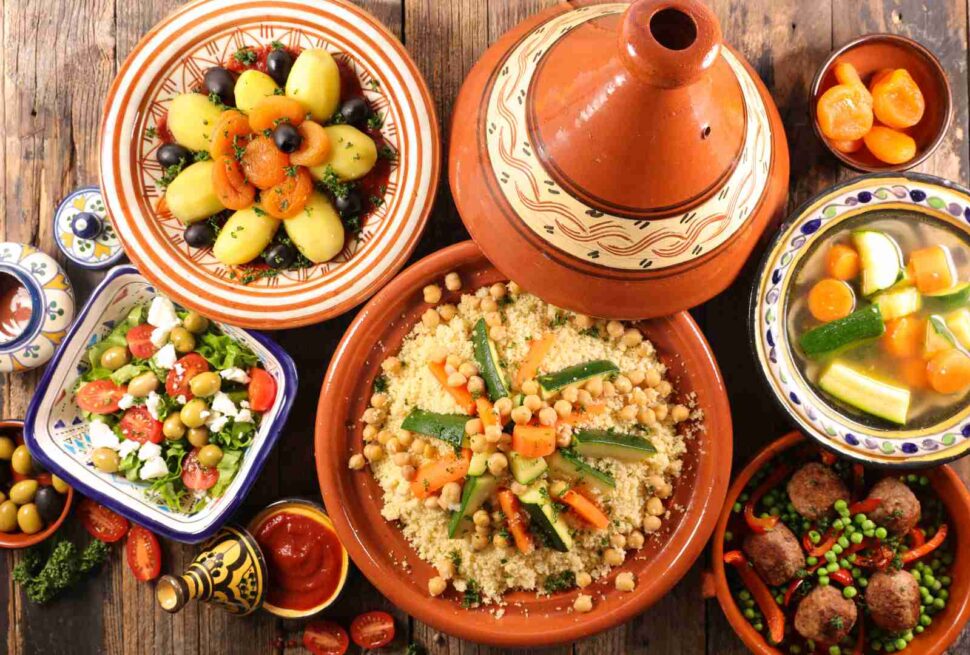
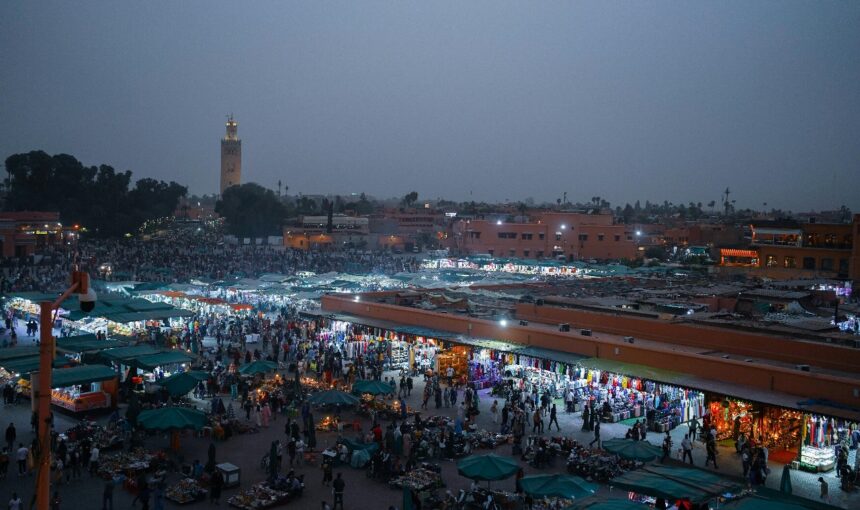
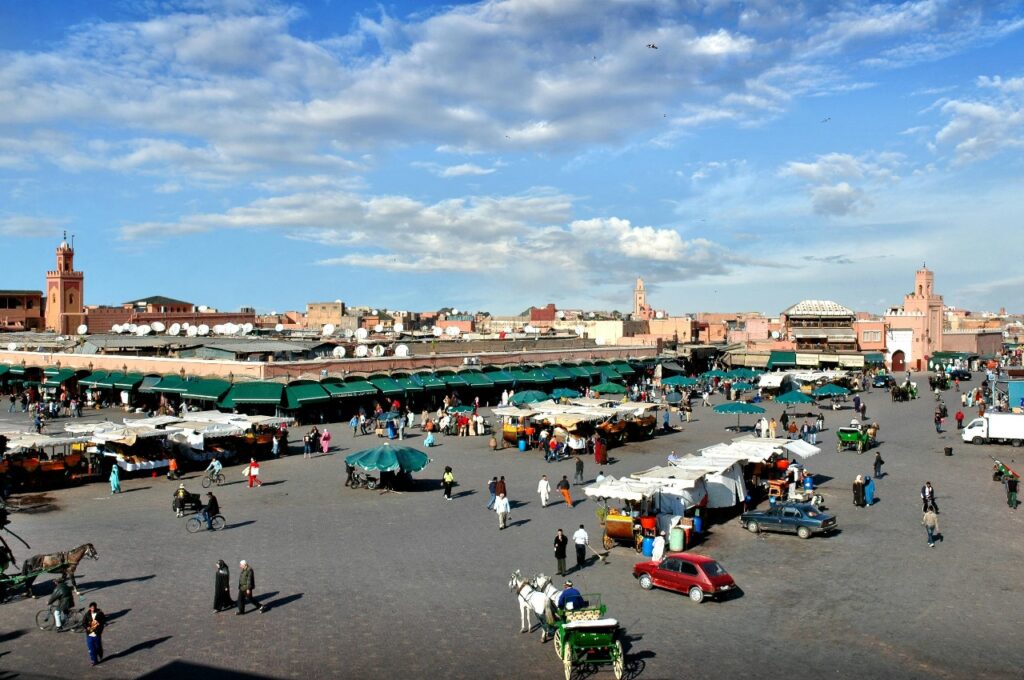
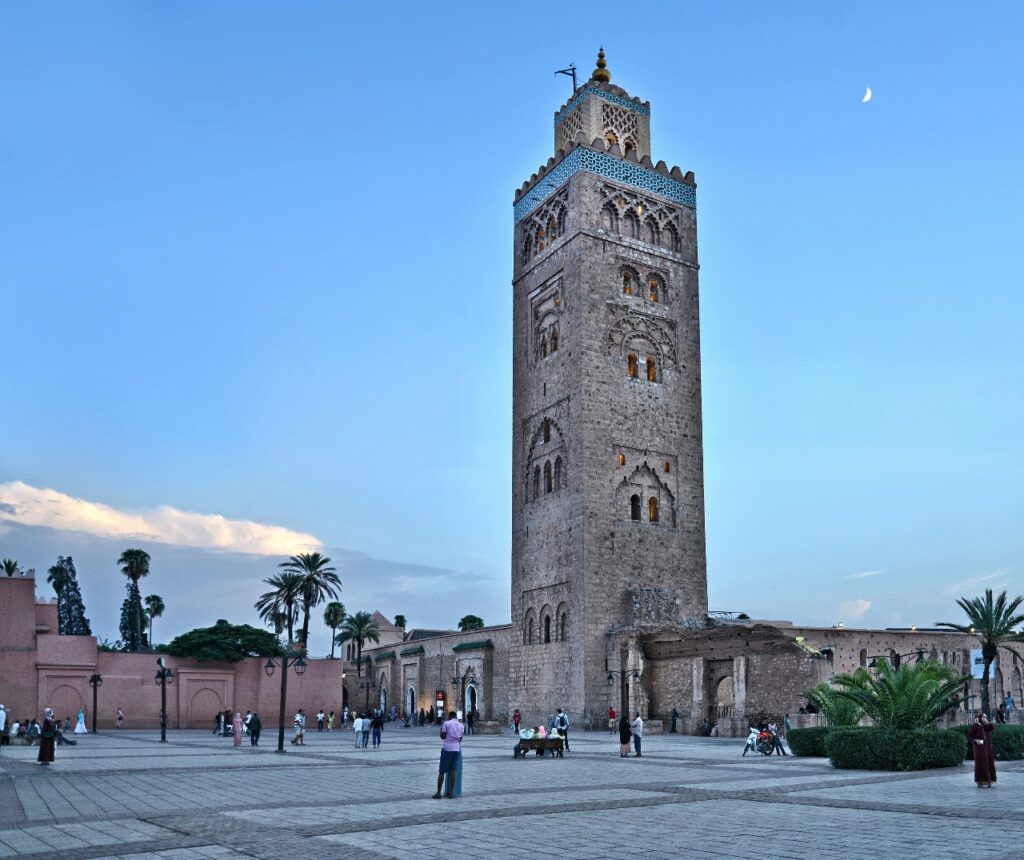
Ever wondered when the Red City reveals its most inviting side? If you want a clear travel plan, this concise guide helps you weigh weather, crowds, and budget so you can pick the moment that fits your style. Marrakech wakes at Koutoubia Mosque and hums into the night at Jemaa el-Fnaa. You’ll find souks, rooftop cafes, and gardens that shine in spring and autumn, when walking the medina feels easy.
Dress conservatively at religious sites and agree taxi fares up front. Stay in a riad inside the medina for an authentic base near Bahia Palace and Ben Youssef Madrasa. From street food in Jemaa el-Fnaa to upscale restaurants like La Mamounia, Dar Yacout, and Nomad, your season choice shapes how you move through this destination and the experiences you’ll enjoy across the year. Use this guide to match your comfort with festival energy, day trips, and evening rooftop moments so your city break fits your needs.
Best time to visit Marrakech for pleasant weather
Quick answer: aim for mid-March to mid-May or late September to mid-November. These windows offer the clearest balance of mild days, open sights, and fair hotel rates.
Quick planning guide
If you want pleasant weather and manageable crowds, choose the shoulder months above. Temperatures feel warmer under the strong sun, so long outdoor days work well.
If quieter sites matter more, travel in early spring or mid-to-late fall for shorter lines and calmer riads. You’ll also avoid the peak hotel surges that push up prices.
How to decide: weather vs. crowds vs. rates
The dry season runs roughly late April through mid-October, but even the so-called wet season only brings about 1–2 inches in rain during its rainiest months. That means your comfort hinges mostly on temperatures and crowds, not downpours.
If your dates fall outside these months, plan around midday heat and shift activities to mornings, evenings, or shaded spots. Use this quick answer as a starting point, then match your priorities—weather, crowds, or prices—to pin the ideal month for your travel.
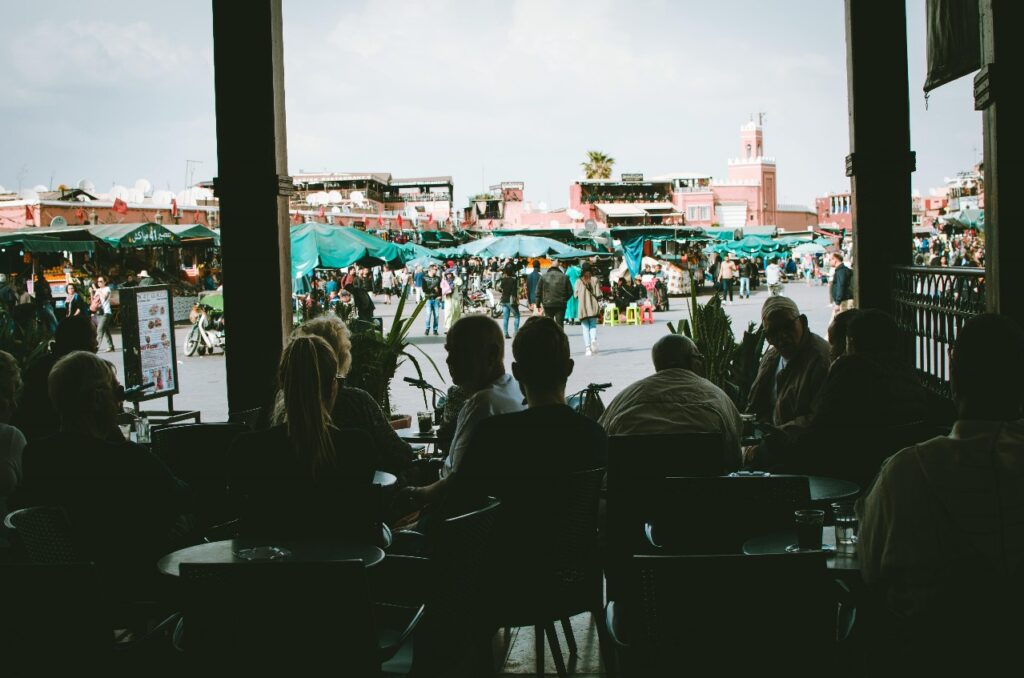
Best time to visit Marrakech: Spring’s color and comfortable heat
Spring brings a bright palette to the city, with gardens in bloom and long, sunlit afternoons. Days warm into the 70s–80s while evenings cool down, creating a pleasant contrast that fits both walking and lounging.
March–May weather and temperatures
Expect daytime highs in the 70s–80s with cooler nights that call for a light jacket. March has the highest chance of showers, but rainfall is brief and rarely disrupts plans.
Crowds and prices
Arrive in early spring if you want quieter streets and better hotel deals; May draws more visitors and higher rates. Balance your dates if you care about crowds and prices.
What to do in spring
Split your day: see major sites like Majorelle Garden, Bahia Palace, and Ben Youssef Madrasa in the morning when it’s cool. Then retreat for a slow afternoon by a riad pool or rooftop terrace under the strong sun.
Tip: Browse the medina souks before midday heat peaks, and leave room in your schedule for a short March sprinkle—showers rarely last long. Use spring’s warm days and mild evenings to enjoy both culture-rich mornings and relaxed, pool-friendly afternoons—the ideal time visit blend for many travelers.
Fall in Marrakech
Fall brings a gentler rhythm to the medina, with warm days and crisp nights that suit long walks and rooftop dinners. This season balances sun and cool air, making it an excellent season for near-daily exploring without summer’s fatigue.
September–November weather and temperatures
Early September can still feel hot, sometimes reaching the low 90s°F. By October, temperatures usually settle into the 50s–70s range, offering ideal conditions for daytime sightseeing and comfortable evenings.
Crowd patterns
Expect medium crowd levels most of the fall. Target mid-October through mid-November for fewer crowds and easier access to major sites and riads.
Why fall shines
Rooftop evenings and restaurants stay lively, with pleasant air for sunset dining. Use balanced temperatures for day trips—Essaouira’s coast or the Atlas foothills—without the strain of summer heat.
Keep a light layer for after-dark strolls. This month window often gives you more daylight, manageable weather, and a calmer feel than peak summer—a practical and scenic choice when planning your trip.
Winter in Marrakech
Short days bring soft light and calmer streets, making winter ideal for relaxed exploring. December through February sees daytime temperatures in the 40s–60s, with the occasional lucky day tipping into the 70s. Nights get chilly, so keep a light jacket or scarf handy for evening rooftop views.
After the holidays you’ll find lower hotel rates and easier last-minute availability. This makes the season an economical choice if you want roomy riads and quieter streets.
Expect slimmer crowds at major museums and sites across the cities, which gives you more time with exhibits and architecture. Use the softer winter sun for photography and long courtyard lunches.
Day trips to the Sahara or Agafay are comfortable by day but require warm layers after dark. Build your trip around culture-rich days: slow souk browsing, calm museum visits, and relaxed riad evenings with mint tea.
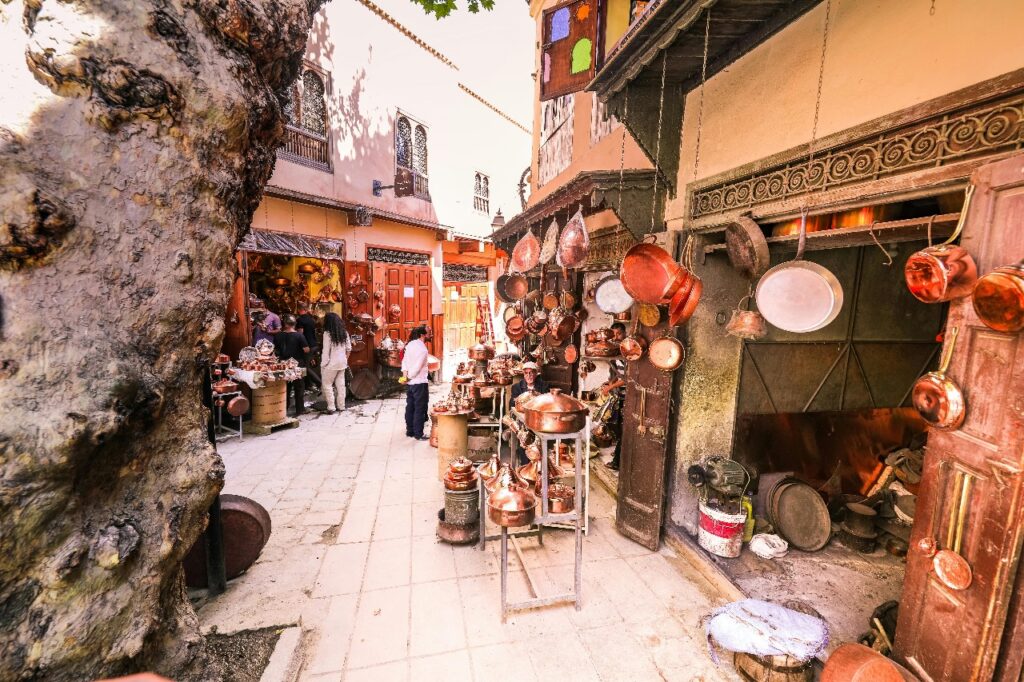
Summer reality check
High summer pushes temperatures past 100°F, so your itinerary must adapt around the sun. Short, focused days and long midday rests make hot months far more manageable.
Temperatures and timing
Expect the strongest sun from roughly noon to mid-afternoon. Plan major sightseeing for early mornings when alleys and souks feel cooler.
Build a strict midday break into your schedule. Retreat to shaded riads, air-conditioned museums, or a traditional hammam until late afternoon.
Beat the heat strategies
Hydrate constantly and reapply sunscreen; dry air makes outdoor hours feel harder than the forecast suggests. Small, frequent water breaks help you last through long urban walks.
Focus activities on the cool hours—start at sunrise and return when the evening breeze arrives. Short, purposeful outings beat long midday slogs.
If you need a cooler change, add a coastal escape to Essaouira. Sea breezes, fresh seafood, and events like the Gnaoua Music Festival in June give relief from inland temperatures.
Choose accommodations with reliable AC and shaded outdoor spaces. With discipline—front-loading touring, resting mid-heat, and enjoying lively nights—you can travel comfortably even in strong summer heat.
Month-by-month highlights
From desert nights to coastal concerts, the months map out clear choices for outdoor and cultural plans. Use these month notes to match temperatures and crowds with the activities you want most.
January–February
January brings cool, sunny days (highs around 50–68°F) and quieter streets, a good window for Sahara camping and photography.
February keeps similar conditions and opens prime trekking in the Atlas Mountains. Look for the Almond Blossom Festival near Tafraout.
March–April
Spring months show lush landscapes and occasional showers. The International Nomad Festival in M’Hamid energizes desert life.M April features the Sufi Festival in Fes and blooming gardens that make city walks especially rewarding.
May–June
May warms but stays manageable for trekking and valley hikes. The Festival of the Roses in M’Goun Valley peaks in late spring.
June brings coastal music festival lineups—Essaouira’s Gnaoua and Fes’s Festival of World Sacred Music—and cherry celebrations in Sefrou.
July–August
These are the hottest months inland. Pivot your plans to beaches or river canyons like Todra Gorge and Dades for cooler outings.
Evening activities work best; consider coastal festivals and Jazzablanca in Casablanca for night events.
September–October
As crowds thin, September offers comfortable conditions and relaxed city life. October is mild and harvest season for dates.
The Sahara becomes pleasant again for overnight trips and stargazing as temperatures drop from summer peaks.
November–December
Late fall and early winter suit cozy cafe culture and easy urban exploring. Daytime temperatures favor desert excursions before holiday spikes.
Book ahead if your month overlaps big festivals or year-end holidays for the best experience.
Plan your trip: packing, Ramadan timing, and booking tips
Small prep choices—what you pack, when you book, and how you move—change your whole trip. Use this concise guide to arrange practical items and reservations so your days in the city run smoothly.
What to pack by season
Pack light layers for cool mornings and evenings year-round. Bring a hat, SPF, and sunglasses for strong sun protection during daytime outings. Carry a modest scarf for religious sites and a pair of comfortable shoes for narrow alleys, souks, and museums.
Ramadan considerations
Ramadan shifts annually; many restaurants and shops change hours, though hotels usually operate normally. Expect vibrant evenings as locals gather for iftar.
Plan daytime visits to major sites early, and reserve restaurants if your trip overlaps the holy month.
Booking smart
Reserve accommodations well in advance for spring and fall; riads and boutique hotels sell out fast. Book sought-after day trips—like the Atlas Mountains and Sahara overnights—early too.
In the medina, negotiate taxi fares in advance; meters are not always used. Carry cash for souks and small cafes; cards work mainly at hotels and upscale restaurants.
Use this guide as your planning backbone: match the best time visit windows with your priorities, then lock in bookings in advance for a smoother trip.
Conclusion
Choose months that match how you like to travel: slow city life or lively festival energy. Mid-March through mid-May and late September through mid-November offer the most pleasant weather and balanced temperatures for walking the souks and rooftop evenings.
If you want fewer crowds, aim for early spring or mid-to-late fall. Winter gives calm streets and lower rates, while summer asks that you plan hikes and sightseeing in the cool hours.
Use this guide as your planning anchor. Fine-tune dates for festivals, day trips to Essaouira, Ouzoud, or Aït Ben Haddou, and the exact experience you want across the year.