What small choice will turn your visit into a story you tell for years? Step into the medina and the scene feels cinematic: incense in the air, scooters weaving past donkeys, and narrow lanes framed by ancient walls. This guide to the Best Things To Do In Marrakech helps you structure your time in the city so you don’t miss the highlights while still leaving room to wander. Whether you want to see the essentials in 2–3 days or slow the pace with 4–5 full days and add a desert trip, Marrakech rewards every style of traveler with unforgettable moments.
Start early to beat heat and crowds, book timed entries like Jardin Majorelle, and plan one best stop such as Medersa Ben Youssef alongside quiet courtyards. Most must-sees sit inside the walkable Medina, and taxis handle airport runs and farther neighborhoods.
Pack light layers, a shawl, and comfortable shoes. Use this post as a practical trip checklist and a way to leave room for surprise discoveries — mint tea breaks and rooftop sunsets often become the moments you remember most.
How to Plan Your Time in Marrakech Right Now
Arrange your days so you hit big sights early, leave space for tea breaks, and avoid midday heat.
When to visit and how Ramadan affects your plans
Choose spring (March–May) or fall (September–November) for milder weather and long daylight. Summers often top 100°F (40°C), which makes walking punishing.
Check if Ramadan overlaps your trip. During the fast, many restaurants close by day and service resumes after sunset. Taxis and bookings can pause briefly at the call to prayer, so plan a rest then.
How many days you need and how to split your stay
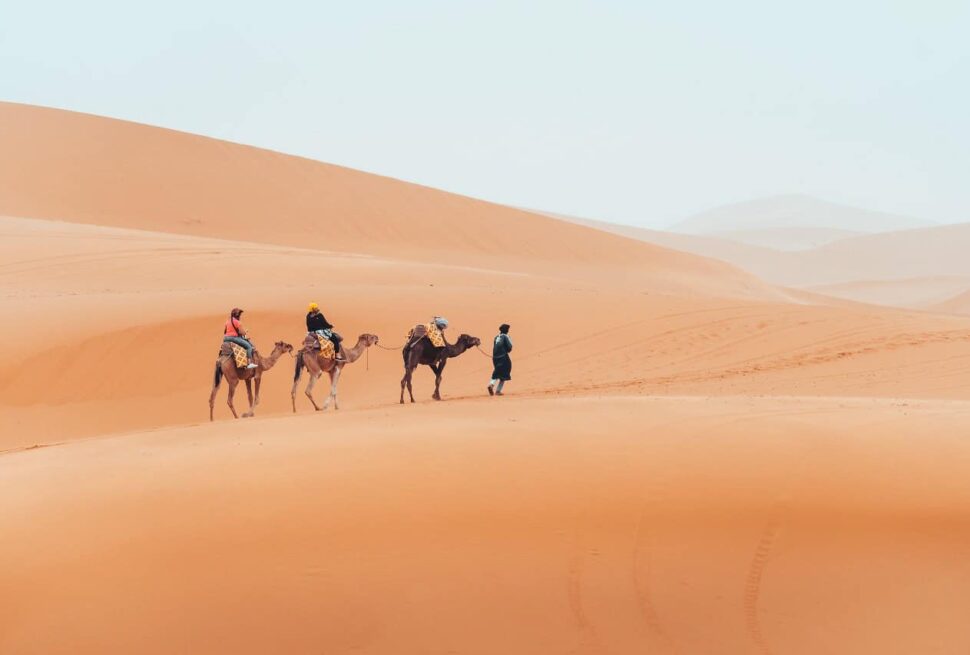
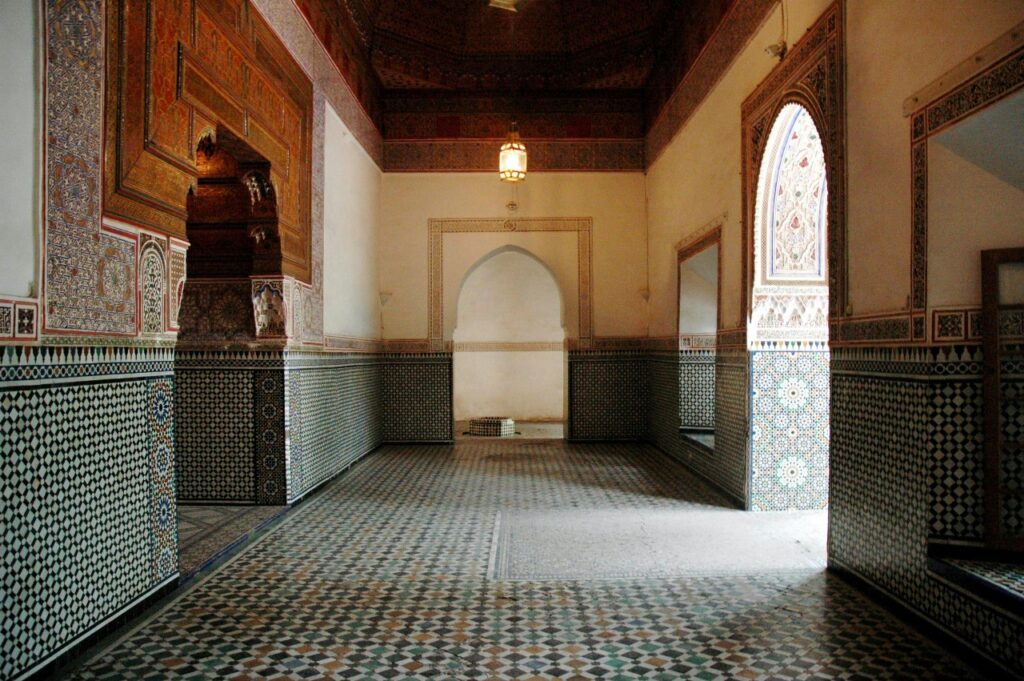
You can see headline sights in two full days, but three to four lets you add gardens and a hammam. Five days frees you for an Agafay or Atlas day trip without rushing.
Split your nights between a riad in the Medina and a resort like The Oberoi Marrakech or La Mamounia. That way you balance intimate courtyards with poolside downtime.
Practical itinerary planning and key hours
Map opening hours for must-sees and pre-book timed entries (Jardin Majorelle, YSL). Aim to arrive at Medersa Ben Youssef right at opening. Sample hours: Medersa Ben Youssef 9am–7pm; Jardin Majorelle 8:30am–6pm; Bahia 8am–5pm; El Badi 9am–5pm; Le Jardin Secret 9:30am–6pm.
Quick travel tips: group nearby sights, time market browsing around when stalls are active, pre-book rooftops for sunset, carry cash, and bring a shawl for modesty.
Get Lost (On Purpose) in the Souks and Jemaa el-Fnaa
Lose your map and let the medina pull you down lanes lined with color, spice, and the steady murmur of bargaining.
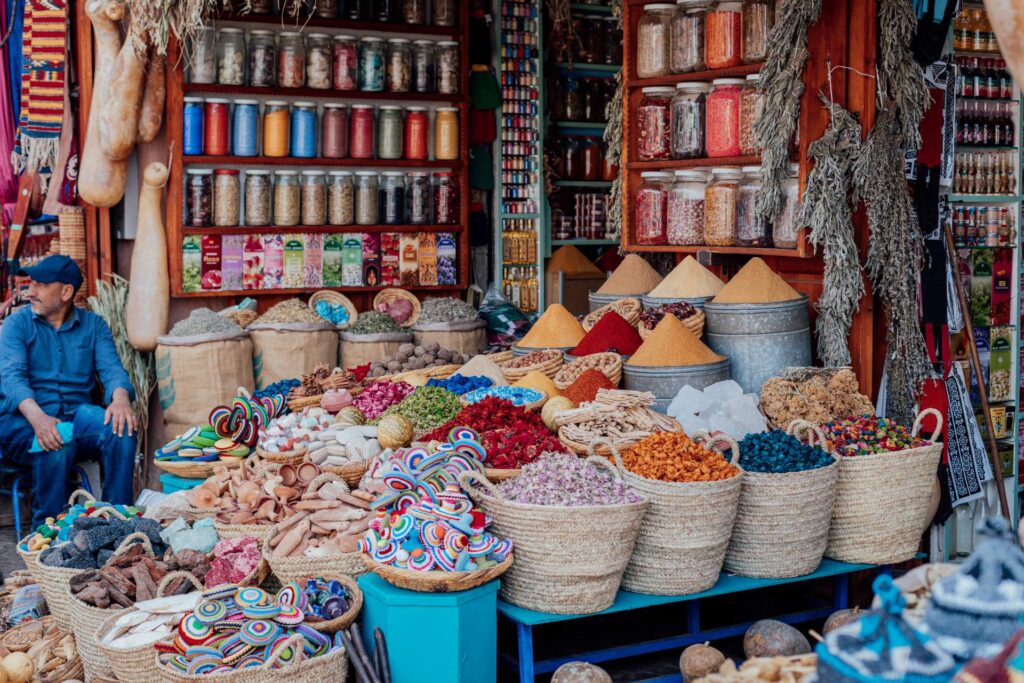
Souk strategy: Treat haggling as a friendly game. Counter with about half the first price, set a firm ceiling, and be ready to walk away. Look for quality: handwoven rugs, argan oil, brass pieces, ceramics, and spice blends. Favor shops where artisans explain how items are made.
How the square shifts from day to night
Jemaa el-fnaa feels different at dawn, midday, and after dark. By day you scope food stalls and entertainers. By night the square fills with smoky grills, music, and a louder energy. Carry small change; many performers expect a tip for photos.
Where to pause and people-watch
Plan mint tea breaks on terraces at Café D’Espices, Nomad, or El Fenn. A rooftop gives a calm vantage point to watch the crowd and plan where to walk around next.
Stay alert in busy areas: secure valuables, politely decline unsolicited guides, and use the Koutoubia minaret or the square as simple landmarks. This way your trip becomes a curated experience where getting lost is part of the fun.
Best Things To Do In Marrakech
Set out on a focused walk that links peaceful courtyards, evocative ruins, and the minaret that defines the skyline.
Medersa Ben Youssef: zellige, carved cedar, and quieter early hours
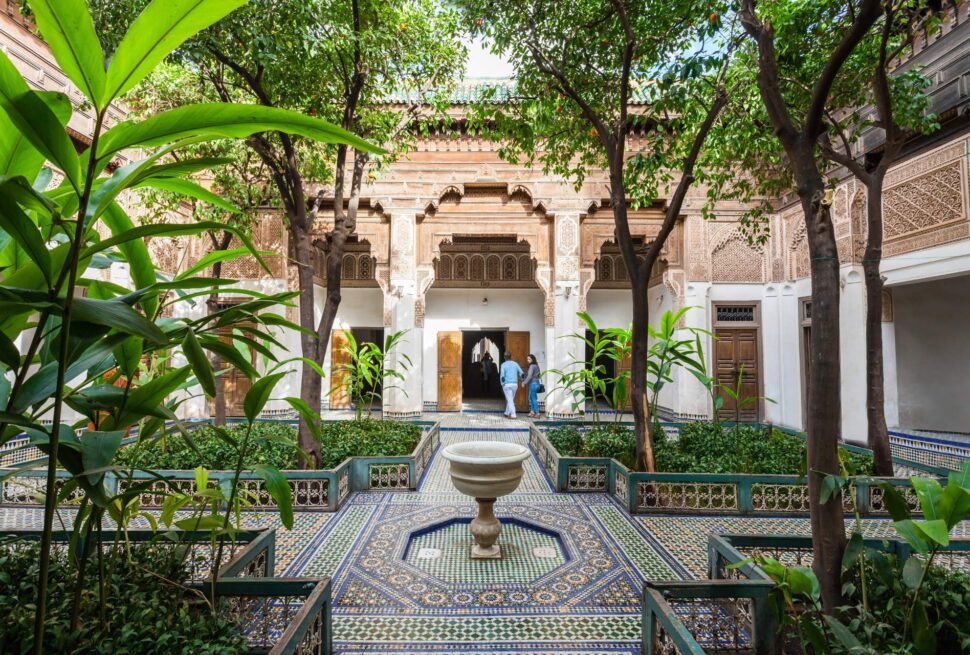
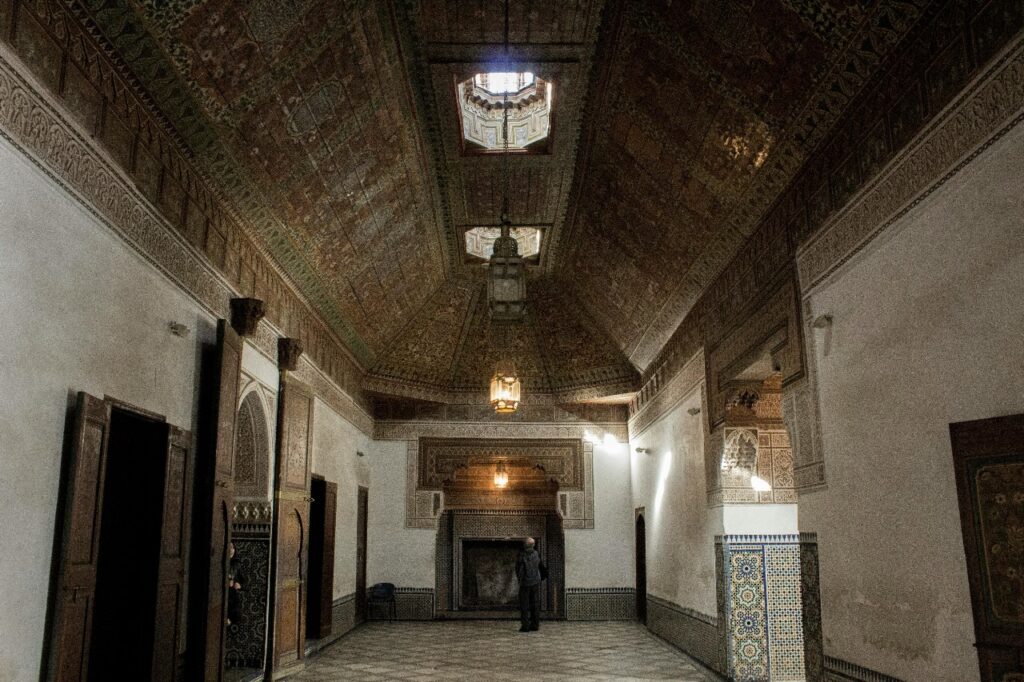
Arrive at opening (9am–7pm) to see intricate zellige tilework and carved cedar before crowds gather. The restoration finished in 2022, and the courtyards show traditional moroccan craftsmanship in every carved arch.
Bahia Palace: courtyards, marquetry, and stained glass details
Walk the palace axis and linger over stained glass, marquetry, and Italian marble. Built as a lavish residence, the sunlit courtyards reveal layers of history worth studying slowly.
El Badi Palace: evocative ruins and wide-open calm
Choose El Badi for space and quiet; opening hours are 9am–5pm and foreign visitors pay the standard entry. With fewer visitors, you can join a short tour or explore at your own pace.
Koutoubia Mosque: gardens and that soaring minaret view
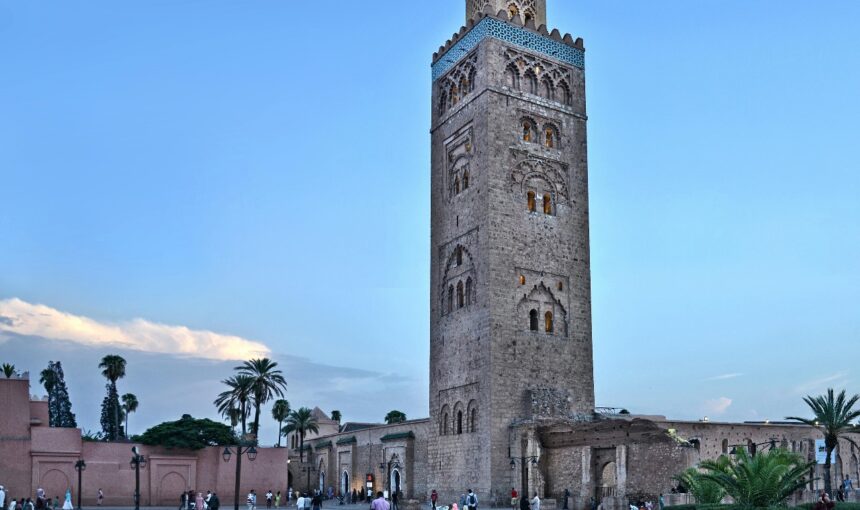
Non-Muslims cannot enter, but the 226-ft minaret anchors the city skyline. Pause in the surrounding gardens, use the minaret as an orientation point near the medina walls, and consider a refined garden break at La Mamounia hotel nearby.
Plan your visit order—ben youssef first for calm, then Bahia and El Badi, finishing with the Koutoubia garden. Keep tickets handy, follow photography etiquette, and capture your favorite spot so the best things marrakech stay with you long after the tour.
Soak in Color at Jardin Majorelle
Step into a cobalt oasis where sculpted cacti and sunlit pools slow the city’s rush.
Booking timed tickets, opening hours, and beating the crowds
Book timed tickets in advance and choose the earliest slot. Jardin Majorelle opens 8:30am–6pm and the standard garden ticket is about 170 MAD. The Pierre Bergé Museum of Berber Arts opens 8am–5:30pm, while the YSL Museum runs 10am–6pm.
Arrive early to cut queues, walk around the quieter paths, and enjoy reflections in the lily ponds. Bring water and sun protection; shaded spots exist, but lines can form in the sun.
Yves Saint Laurent’s legacy and what to see inside the complex
Begin with the gardens, then move to the Berber museum in Majorelle’s former studio, and finish at the YSL Museum. The gardens showcase global plants, bold cobalt architecture, and calm corners for photos.
The YSL displays fashion archives that show how the city influenced palettes and textures. Pause at the café and boutique after your loop. Expect tourists even early, so linger in side paths before returning to marquee views.
This short guide fits well on a lighter morning of your city itinerary and remains one of the memorable things marrakech for design-minded visitors.
Le Jardin Secret: A Peaceful Garden Escape in the Medina
Step through a modest door and you trade the medina’s clamor for cool paths and carved archways.
Le Jardin Secret is an elegant botanical escape tucked inside historic walls. The site divides into an Islamic garden and an Exotic garden, each showing different plant choices and layout logic that highlight water channels and shaded routes.
Opening hours run roughly 9:30am–6pm and tickets are sold at the door (about 100 MAD for foreigners; 50 MAD for Moroccans and under-24s). Aim for mid-morning or late afternoon if you want a relaxed visit without crowds.
There’s a small café on site where prices are higher than street cafés, but the setting is part of the draw. Look for interpretive panels that explain traditional irrigation and garden planning inside the old city.
Photograph tilework, doorways, and how architectural lines meet plants, then pause on shaded benches to reset before returning to the souks. Use this quiet spot as a complementary break that rounds out your view of Marrakech’s gardens and green places.
Eat Like a Local: Traditional Moroccan Dishes and Food Experiences
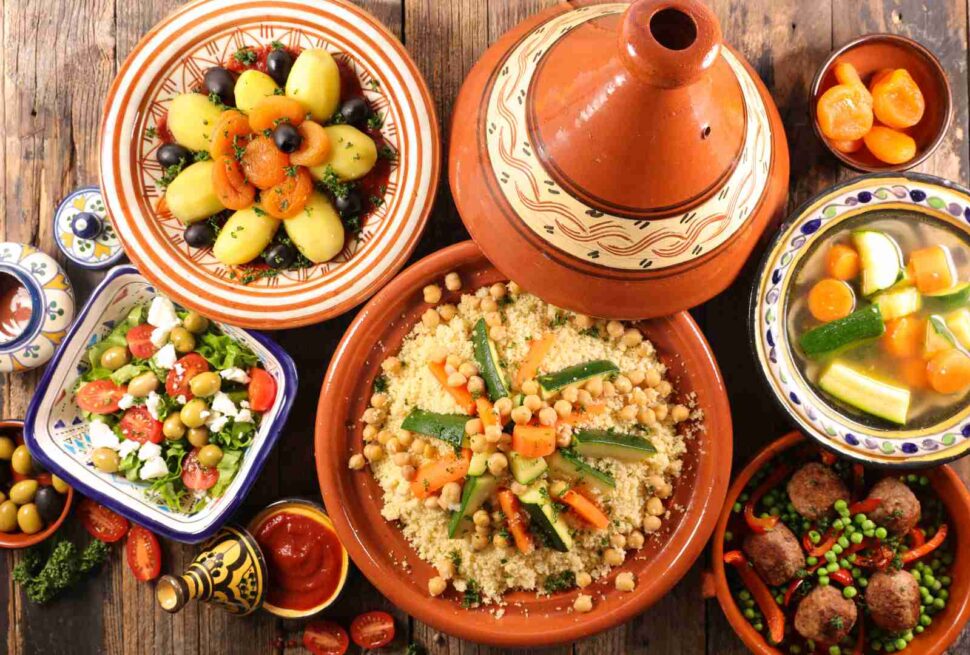
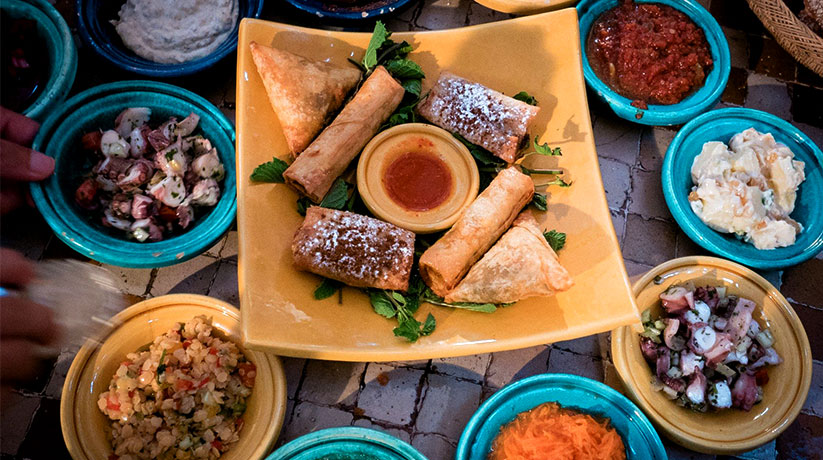
Food in this city is a social rhythm—meals are loud, fragrant, and meant to be shared. Start by tasting slow-cooked tagines, flaky briouats, and the savory-sweet bastilla. These classics show how spice and technique shape daily life.
Tagine, briouats, bastilla, and where to try them
Try tagine at family-run riads and casual restaurants for tender, layered flavors. Seek briouats from pastry stalls and sample bastilla at places known for traditional service. Ask staff which place does each dish best.
Street food at Jemaa el-Fnaa vs. sit-down spots
At night Jemaa el-Fnaa becomes an open-air food court with kebabs, snails, salads, and adventurous items. The stalls move fast and feel social.
For a calmer meal, choose sit-down spots like Nomad, Café D’Espices, El Fenn rooftop, or Café Clock. Book a cooking class at La Maison Arabe or Amal to learn hands-on techniques and join a shared meal afterward.
Pause for a strong, aromatic mint tea between bites and drink bottled water. Carry small change, mention dietary needs, and balance street snacks with refined dinners to complete your trip food experience.
Rooftops at Sunset: Where the City Shines at Night
As daylight thins, rooftops become the easiest way to see the city shift into evening. Book a table 30–45 minutes before sunset so you get the best light and a good seat. Many terraces add a surcharge for the view, so expect higher prices at popular hotel terraces.
Best views and vibes: El Fenn, Nomad, Café Clock
El Fenn offers sweeping views toward the Koutoubia and palace silhouettes; arrive early if you want a quieter spot. Nomad mixes a modern Moroccan menu with a relaxed terrace—reservations help on busy nights. Café Clock is casual and lively, ideal for an early evening class or a simple sunset drink.
Late-night buzz: dinner-and-show at Comptoir Darna
For late energy, pick Comptoir Darna for a dinner-and-show—music and belly dance often start around 9–10pm. Rooftop Dardar is another favored option if you want a different angle on the skyline.
Use rooftops as a way to orient yourself and plan your next day. Pair a jemaa el-fnaa stroll with a high vantage point to watch street life and lights fill in. Dress smart for hotel terraces, bring a light layer, and check minimum spends before you go so the evening stays relaxed and memorable.
Stay in a Riad or Resort: Where to Book Your Hotel
Pick accommodation that matches your rhythm—courtyard calm or resort-wide amenities—and plan arrivals accordingly.
Riads offer intimate, courtyard-centered stays and warm hospitality. You’ll find options across budgets with design-forward rooms and cozy rooftops for breakfast. Favorites worth considering are Riad Yasmine, Riad 72, and Riad Dar Anika for consistently personal service and quiet corners.
Iconic luxury choices include La Mamounia and The Oberoi Marrakech. Both provide expansive gardens, spa facilities, pools, and refined dining so you can build a resort-style experience into your trip. Reserve one splurge night at a luxury address to celebrate the visit.
Practical booking tips
Coordinate your arrival time so a porter can meet you at the nearest drop-off point. Narrow pedestrian lanes in the medina make this small step invaluable, especially for a night arrival.
Compare hotels and riads by neighborhood access; staying inside the medina cuts walking time to key sights. Ask about rooftop access, night policies, and spa bookings so your expectations match the property’s style.
Save this post as a short list when you book—keeping a one best splurge and several riad nights simplifies decisions and makes your stay feel planned, not frantic.
Culture Deep Dive
Experience the city through senses: steam, scrub, spices, and the steady rhythm of a working kitchen.
Hammam 101: La Mamounia spa and traditional bathhouses
You learn hammam basics—black beldi soap, a kessa glove, steam, and a thorough exfoliation. Choose between a communal public bathhouse for a local feel or La Mamounia’s luxurious multi-step scrub and steam for a pampered session.
Practical tip: schedule a hammam early in your day so the glow lasts for hours. Drink plenty of water before and after, and allow time to rest so the heat feels restorative.
Check opening hours and ask your riad for a trusted guide or recommended public hammam to avoid tourist traps.
Cook it yourself: La Maison Arabe and Amal cooking workshops
Book a 3-hour class at La Maison Arabe for hands-on stations and rooftop tastings. Choose Amal if you prefer a social-impact option where your fee supports women’s culinary training.
Pair a market tour or spice-shop stop with your class for a fuller food education. Take notes and photos when allowed so your guide becomes the reference you use at home.
Final thought: add this cultural arc to your day list—these sessions make everyday life here feel accessible and leave you confident to recreate flavors back home.
Smart Tips for Your Marrakech Itinerary
Start each day with a clear aim—one major sight, a market stroll, and unhurried tea breaks.
What to wear, language basics, and cash vs. card
Wear modest clothing: shoulders and knees covered works well, especially near religious sites and on Friday when hours can shift.
Languages: Arabic and French are primary; English appears often in tourist zones. A simple greeting in French or Arabic goes a long way with visitors.
Carry cash for souks and small cafés; ATMs are common and cards work at many hotels. Consider an eSIM (Holafly) or a Maroc Telecom SIM to stay connected while you travel.
Getting around
The medina is best explored on foot inside the old walls; petits and grands taxis cover longer trips. Confirm fares or ask the driver to use the meter.
Coordinate arrival times with your riad so a porter can meet you at the nearest drop-off. That saves effort on cobblestones and narrow lanes.
Safety and etiquette: photos, guides, and respectful dress
Ask permission before photographing people and be ready to tip small amounts for unsolicited guides you let accompany you. Keep phones and wallets secure in busy spots like Jemaa el-Fnaa.
Consider a short guided tour for context at a palace or museum—expert insight can make a site like ben youssef more meaningful. Give yourself a buffer day to adjust to rhythm, prayer calls, and local hours so each day feels manageable.
Conclusion
Pack away maps; what stays with you is a living itinerary built from palaces, gardens, rooftops, and meals — a simple guide to the best things marrakech that you can reuse on future trips. , You leave with a highlight reel: Bahia and El Badi palace scale, Jardin Majorelle and Yves Saint Laurent’s color, and one perfect sunset from a terrace.
You also know how hotels and riads shape a stay, and which hotel style you’ll choose next time. Keep early starts, timed tickets, modest dress, and tea breaks as part of your travel habits. Bookmark this guide, share it with friends, and hold a short list of places you missed — the city rewards curiosity, and each visit reveals more history and flavor.