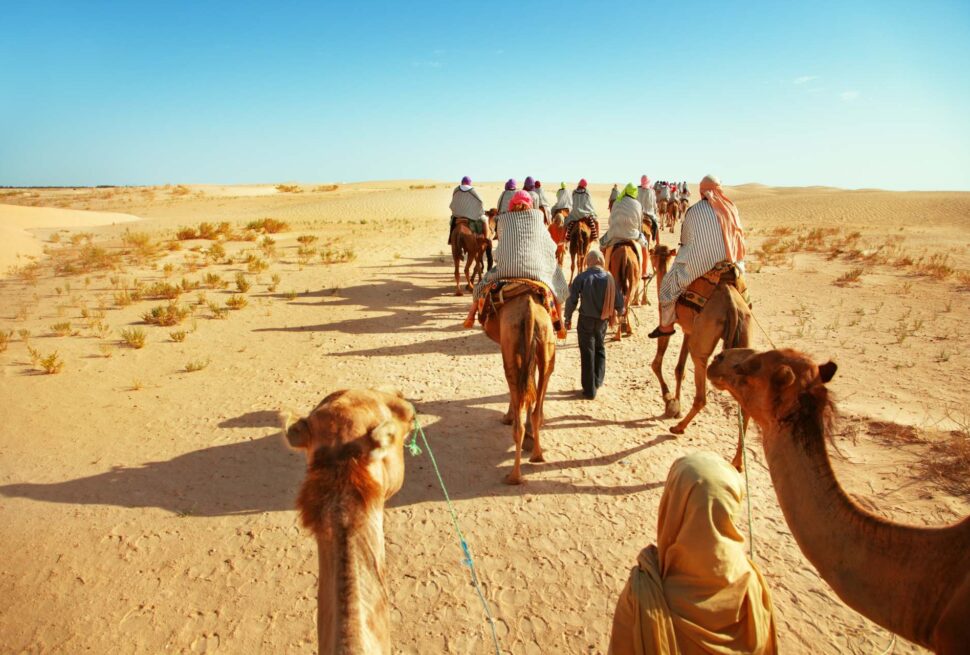
Have you ever wondered which route gives you the most in the least time? This guide answers that by shaping a clear plan that balances fast trains, long drives, and desert crossings—so you can connect cities efficiently while still reaching the Best Desert Tours In Morocco. You’ll map realistic day plans so each stop feels earned, not rushed, and choose the cities and landscapes that matter most for a workable itinerary. Learn the best ways to move between hubs: ONCF trains on main lines, CTM and Supratours buses for secondary routes, and 4x4s where sand tracks demand them, ensuring smooth access to iconic dunes and desert camps.
Know when to hire a guide and when to wander with offline maps. Practical tips help you save minutes and headaches — from booking Hassan II Mosque tours online to choosing a SIM for better coverage. Expect varied weather and plan clothing and rest breaks for each time of day. By the end, you’ll find a flexible framework that fits seven, ten, or fourteen day trips and keeps space for meals, detours, and real discovery.
Your Morocco travel itinerary at a glance
Decide on a duration and a route that keeps travel hours sensible and evenings relaxed. Below are three compact frameworks so you can pick the best fit for your available days and interests.
Best for a week: essentials without rush
Focus on one or two cities and one nearby mountain or desert experience. Spend mornings in medinas and evenings at a riad or café. If you want a dune night, check drive time and add a single overnight near the desert; otherwise keep to city-plus-foothills for easier pacing.
Best for ten days: cities, dunes, and coast
Start in Casablanca and move east to Rabat and Fes, then down through the Ziz Valley to Merzouga dunes. Return via Ait Benhaddou and end on the coast in Essaouira. This way minimizes backtracking and balances train and car segments so each day stays purposeful.
Best for two weeks: mountains, kasbahs, and blue towns
Add Tangier and Chefchaouen in the north, more Atlas hiking, and kasbah stops near Skoura. Two weeks give you slow days for workshops, photography, or a local guide when needed. Use this quick guide to decide which length fits your trip and how many cities you can comfortably include.
Morocco travel itinerary
Start with a short list of must-see places and let distance and opening hours shape your days. Decide which palace, medina lane, or dune night matters most, then assign realistic time blocks so nothing feels rushed.
How to match days to places you most want to see
List what you want see first—Bahia Palace, Bou Inania, Essaouira’s ramparts, or specific dunes—and set days by travel time and openings. Build buffer time for meals and a relaxed stop that becomes the day’s highlight. Choose a guide for complex sites and go solo where you want to linger.
When “long drive” days are worth it (and when they’re not)
Driving Marrakech–Merzouga via Dades/Todra is often split across two day segments; a single push can top 8–9 hours. Roads are mostly paved and safe, but urban limits and police checks slow progress. If dunes are on your list, consider an overnight in Dades or Midelt to avoid a fatiguing push.
Tip: research stop quality—some tour stops are short or commercial—so plan key viewpoints yourself. A one-way trip path often saves time and keeps your way flexible.
Seven-day plan: Marrakech, Atlas foothills, and a taste of the desert
Plan seven compact days that mix riad comfort, palace visits, and a brief desert taste without exhausting drives. This layout keeps mornings calm, reserves afternoons for museums, and saves evenings for mint tea on a terrace.
Days 1–3: settle into your riad and the souks
Check into a riad near the southern medina so Bahia Palace and Place des Ferblantiers are an easy walk. Hit Ben Youssef early to beat crowds, then link Dar El Bacha Museum and a café visit to save time.
Get lost with offline maps in Souk Semmarine and stop for mint tea each night. Reserve an hour or two for Le Jardin Secret and treat Jardin Majorelle as optional.
Day 4: Atlas foothills and Agafay
Take a day trip to the atlas mountains foothills and Agafay. Expect hours of scenic driving and a few minutes at viewpoints, then return by evening to your riad.
Days 5–6: quick desert-style option or city pace
Choose a short desert-style camp or camel ride near Agafay, timing the sunset ride so you’re back for dinner. Or keep both days in the city for palaces, museums, and slow lunches at places like Mandala Society.
Day 7: last day souvenirs and a hammam
Spend your last day on Souk Semmarine and nearby quiet lanes. Book a hammam or linger at a café terrace to decompress before your way home.
Ten-day itinerary: Casablanca to Marrakech via Fes, dunes, and Essaouira
This ten-day itinerary balances coastal starts, imperial medina hours, high atlas roads, and two nights at the desert edge so you can savor highlights without constant packing. Plan travel times conservatively and pre-book key tours to save minutes on busy days.
Casablanca and the Hassan II area
Day 1 begins in Casablanca; book the Hassan II Mosque tour online to skip queues. Stroll the Corniche and set a calm pace before you hit the road the next morning.
Rabat stop, then Fes medina immersion
Break the way to Fes with a stop in Rabat for the Oudaya Kasbah and the Mausoleum near the royal palace gates. Reach Fes and spend Day 3 at Bou Inania, Medersa el Attarine, and the tanneries with a local guide.
Midelt, Ziz Valley, and the sand dunes of Merzouga
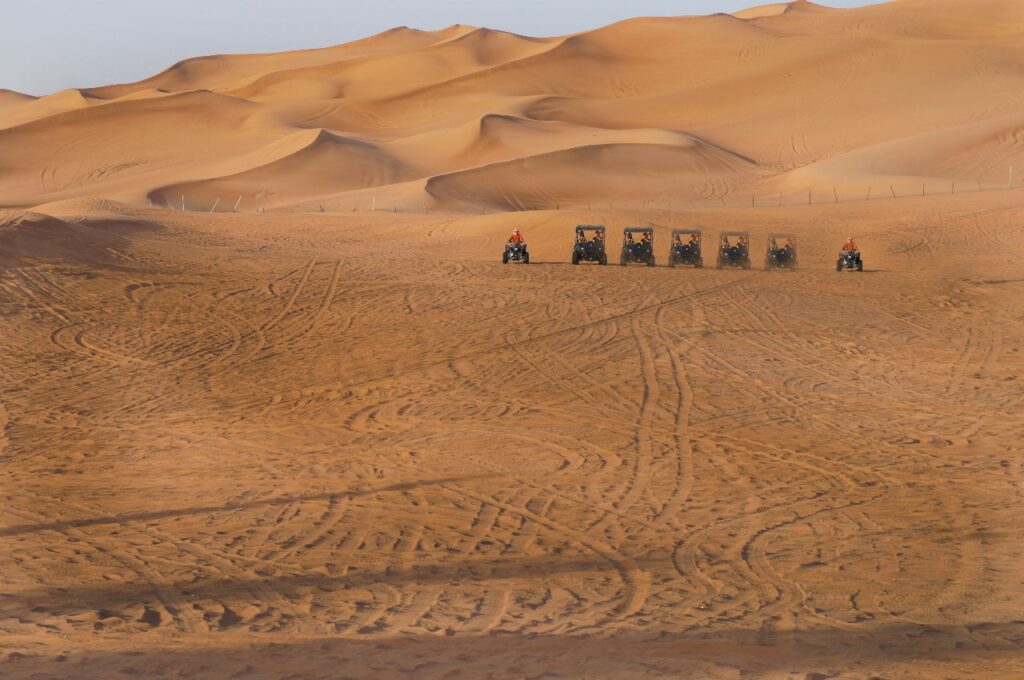
Cross the Middle Atlas to Midelt; allow minutes to watch macaques in Azrou. Head south via the Ziz Valley and arrive at Erg Chebbi for sunset over the sand dunes. Bring water, a scarf for the breeze, and plan a camel ride at dusk.
Wind-down on the coast in Essaouira
Return west through Dades, Ouarzazate, and the Tizi n’Tichka pass toward Marrakech. Use Day 8–9 for palaces and a valley day, then transfer to Essaouira on Day 10 for sea air, fresh fish, and slow ramparts—an easy way to end the journey.
Fourteen-day route: add Chefchaouen, Rif peaks, and extra Atlas time
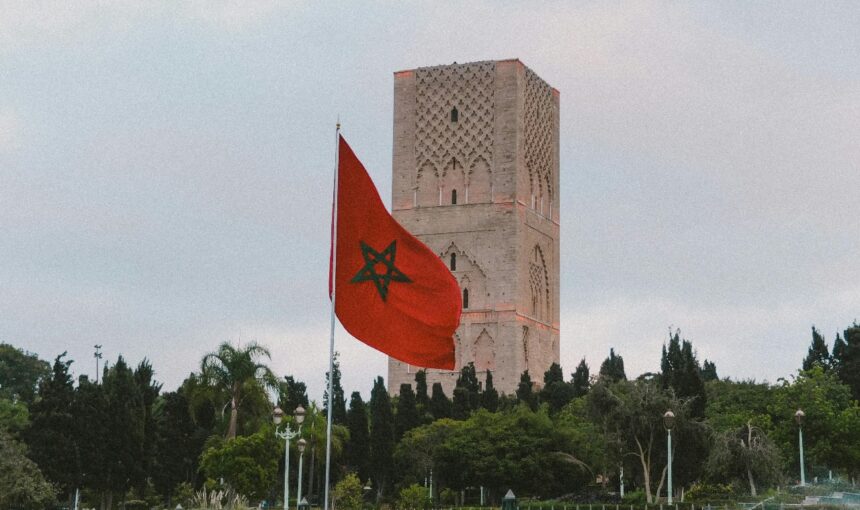
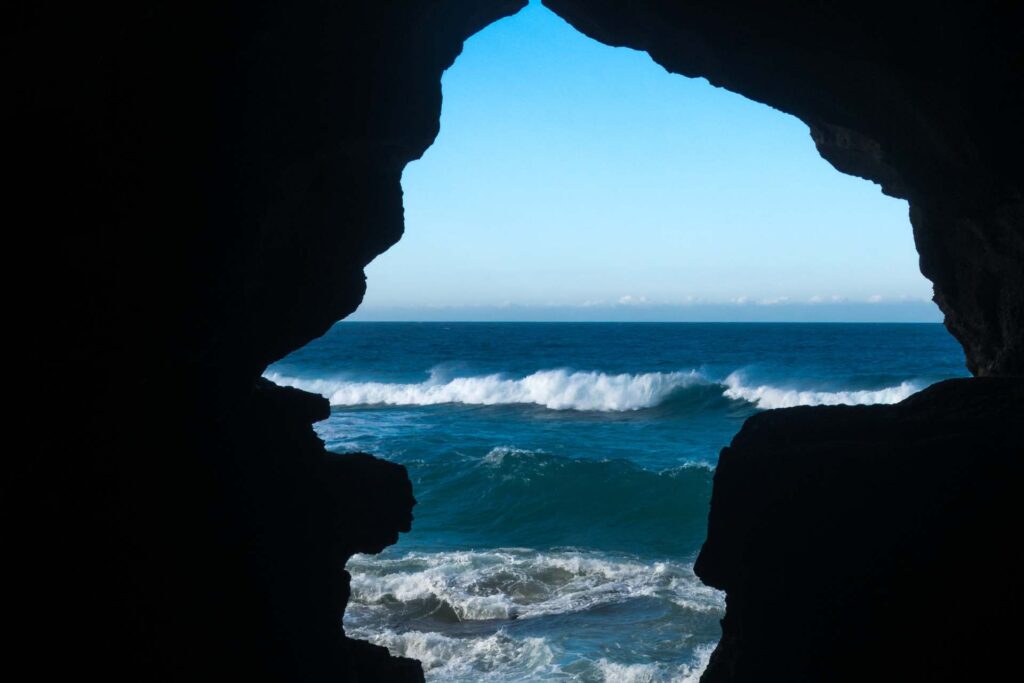
Stretch this plan across fourteen days to include blue lanes, high passes, and long golden dunes. Start with a northern loop from Casablanca to Rabat to see the Hassan Tower and the mausoleum near the royal palace, then push up to Tangier for Cape Spartel and the Caves of Hercules.
Cities and culture: Rabat, Tangier, blue Chefchaouen
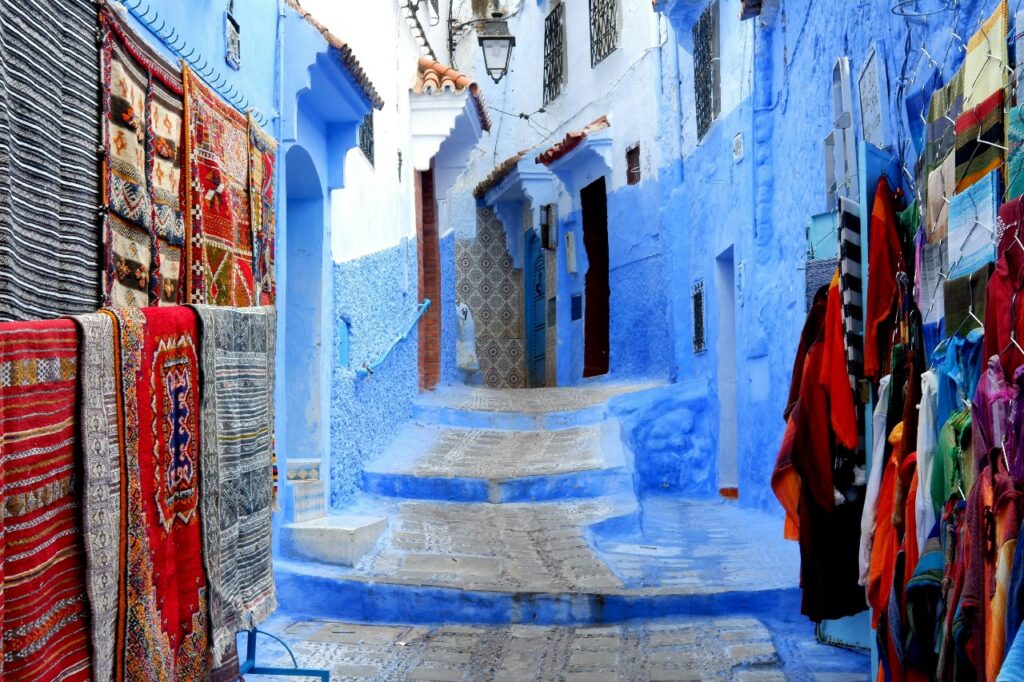
Spend a full day in Chefchaouen’s blue lanes for photos and slow wandering. Let Tangier’s capes and Rabat’s monuments set a calm pace before you head inland.
Imperial Fes, Bou Inania, and artisan quarters
Dedicate time in Fes to visit bou inania and join an artisan tour of wood, metal, and leather workshops. Hire a local guide for a focused half-day to reach the best stops.
Desert nights under stars, Berber villages, and kasbahs
Move south via Midelt and the Ziz Valley to the Merzouga dunes for a desert night under stars. Continue across to Dades, Todra, Skoura kasbahs, and Ait Benhaddou before arriving in Marrakech.
Flexible days for hikes, workshops, or photography
Build in extra Atlas days for Ouirgane or Ourika hikes, bread-baking or weaving workshops, and dawn or dusk photo sessions along valley roads. Space long transfers with overnights in Midelt or Skoura so each day stays manageable and full of the places you want to see.
Marrakech deep dive: palaces, riads, and souks without the stress
A good Marrakech day balances a morning palace, an afternoon souk lane, and a sunset terrace pause. Plan each segment so you move with purpose, not panic.
Bahia Palace, Dar Si Said, Le Jardin Secret vs Jardin Majorelle
Begin with a palace or two. Bahia Palace and Dar Si Said show carved plaster and woodwork up close. If you want gardens, choose Le Jardin Secret for a quieter stroll or Jardin Majorelle for bold color and higher visitor numbers.
Place des Ferblantiers, Mellah lanes, and Koutoubia views
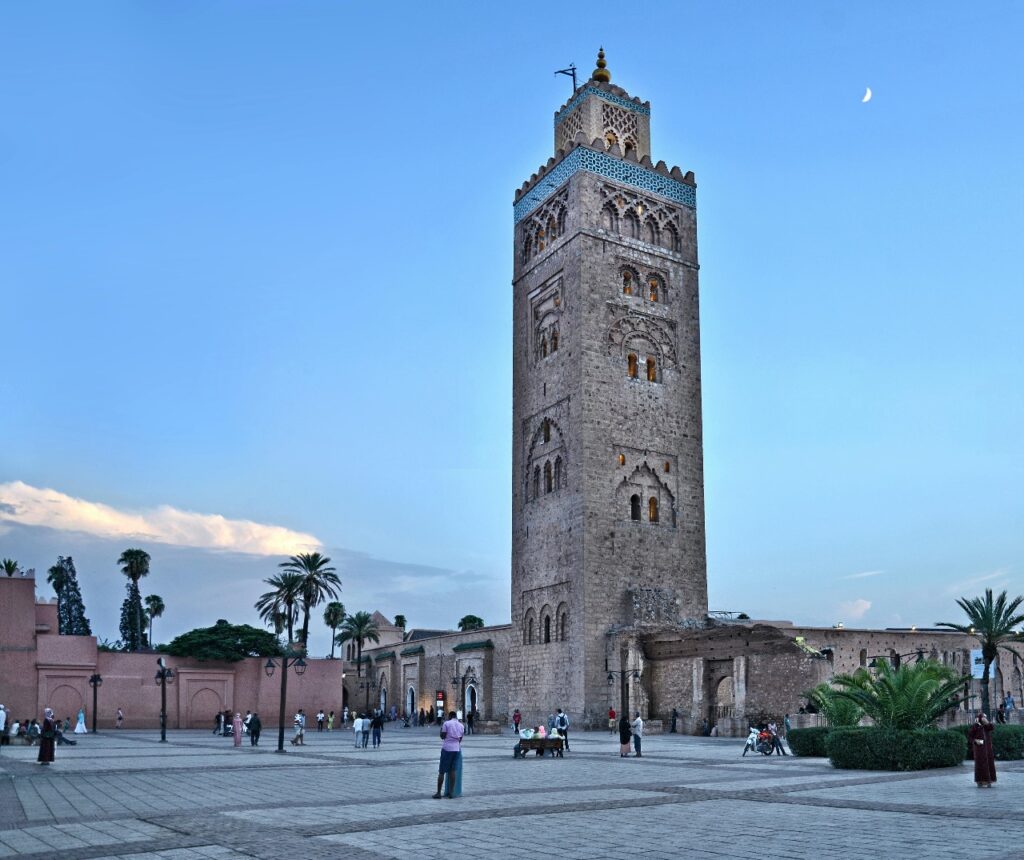
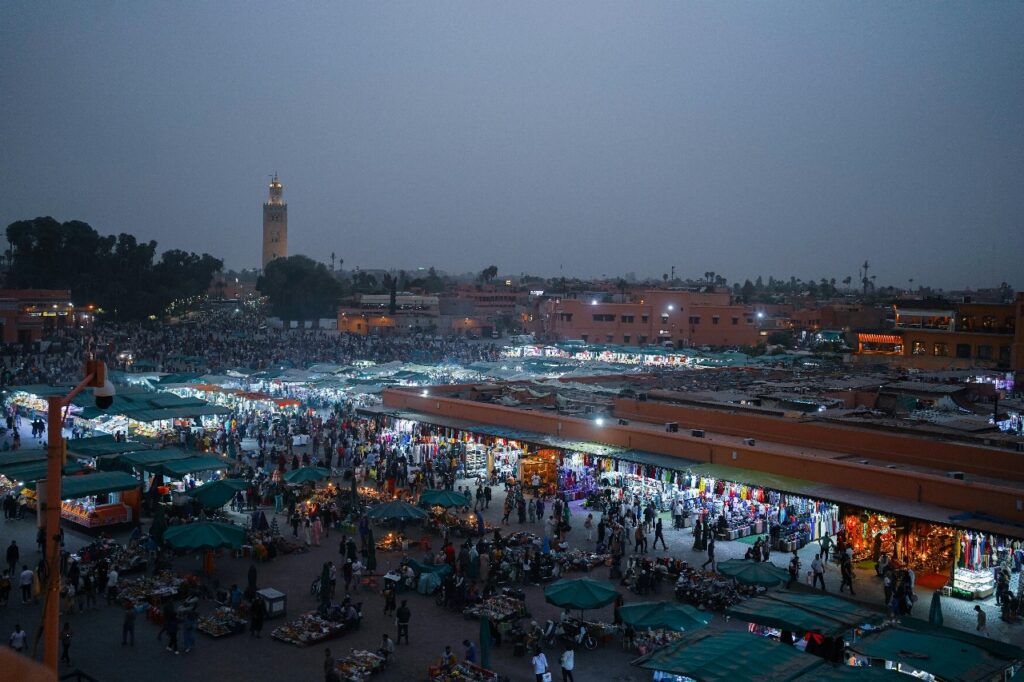
Walk from Place des Ferblantiers into the Mellah to see old jewellers and narrow lanes. Stop for a rooftop tea to take in Koutoubia’s minaret—this view helps orient your way through the medina.
Download offline maps and embrace the “get lost” mindset
Save offline maps and pin your riad and one meeting point. Ask a licensed guide for a short orientation; a guide will save time and point out hidden places and safe routes. Let yourself get lost in small lanes, but return with buffer time for prayer closures and slower shop hours.
Atlas Mountains and valleys: roads, viewpoints, and village tea
Tackle the high pass first, then let roadside gorges and village tea stops shape the rest of your day. The atlas mountains offer big vistas and short pockets of culture, so plan a clear order and leave room for spontaneous photos.
Tizi n’Tichka, Dades and Todra Gorge photo stops
Tizi n’Tichka tops out at about 2,260 m and the road has slow bends with dramatic lookout points. Expect a slower pace; the way is scenic, but you save time by limiting long lunches.
Dades and Todra Gorges provide iconic photo stops. Mark safe pullouts and plan each stop for 10–20 minutes so you don’t block traffic and still get good shots.
Ouirgane and Ourika day trips when you’ve got limited hours
Ouirgane suits a calm valley walk and a village tea if you have only a few hours. The terrain is gentler and the places to pause feel quieter. Ourika sits roughly one hour from Marrakech and offers Setti Fadma waterfalls. Budget a few minutes for the Tnine Ourika market on Mondays and allow time to return before dark.
Practical tip: identify safe pullouts, keep snacks and water, and consider a local guide for short hikes so you reach better vantage points respectfully. When weather shifts, shorten a hike and add a kasbah or craft stop to make the most of your day in these mountain areas.
Sahara Desert planning: camels, camps, and ethical choices
Decide if you want a quick dune glimpse or a full overnight under stars. Your choice shapes how much sand driving, time on the road, and 4×4 reliance you’ll accept.
Merzouga vs Chigaga: access and time
Erg Chebbi (Merzouga) sits at the end of paved roads through the Ziz Valley, so you reach big dunes with less driving time. Camps often collect guests at the road edge, making a sunset camel ride easy to schedule.
Erg Chigaga is remoter. Expect long drives and sand tracks that need a 4×4 driver who knows the way. If you value solitude, Chigaga rewards the extra road time.
Verify camp standards before you book. Check linens, heating or blankets, and whether tents are private. Some tours include shop-heavy stops; a strong tour balances viewpoints, village tea, and clear photo stops.
Ask about animal welfare. Look for healthy camels, humane tack, and reasonable rest times before you book a camel ride. Bring scarves, warm layers, and dry bags—sand gets everywhere and nights can be cold.
Carry water and snacks; schedules change and services are limited once you leave main roads. In windy conditions, plan a shorter ride and more sheltered time near camp for better photos and comfort.
Getting around: train, bus, taxi, or car—pick the right way for your trip
Decide on speed, comfort, and luggage needs before you set off. Use fast trains for long hops, buses for routes off the rail map, and taxis or a rental car for flexible local moves.
ONCF trains and Supratours/CTM buses for city-to-city
ONCF runs high-speed links between Marrakech, Casablanca, Rabat, Tangier, and Fes; you can buy tickets online though the site is in French. CTM buses are national, reliable, and air-conditioned. Supratours (by ONCF) often stops closer to medinas, which saves minutes when your riad is near the station.
Petit vs Grand taxis, meters, and fair prices
In cities use petit taxis for short hops; insist on the meter or agree a price before you ride. Grand taxis handle longer routes and can be shared or hired privately if your schedule needs direct service.
Self-drive tips: hours, road safety, and when to hire a driver
Rent a car for valley and kasbah days when you want to stop often. Plan driving hours conservatively and watch for lower speed limits near towns; roads are generally good but expect frequent police checks.
If a section requires sand tracks or local knowledge—like remote dunes or narrow mountain passes—hire a local driver. A skilled driver shortens risky navigation and frees you to enjoy the day without worrying about maps or fines.
Riad life and mint tea moments: where you stay shapes your experience
A well-run riad becomes the quiet center that shapes how you feel each day. It is the place you return to between souk lanes, palace visits, and long drives. Good hosts save you time with directions, early check-ins, and local tips.
What you’ll find in a good riad
Expect intimate service, character-rich design, and a breakfast that sets a calm tone for the day. Riad Ksar Al Amal in Marrakech was praised for early check-in, generous breakfast, attentive service, and nightly tea by the fire.
Many riads offer small pools, simple spa services, and terraces where you plan the next visit. Staff can book restaurants, arrange tickets, and organize transfers so your way through the city stays smooth.
Nightly rituals and slow mornings on the terrace
Nightly mint tea around a fireplace or on a roof terrace is how people unwind and map the next day. Mornings on a sunny terrace let you gather maps, check timings, and leave without the bustle of the medina.
Confirm heating, cooling, and linens for shoulder seasons so nights feel comfortable. A quiet courtyard is a welcome reset after crowded squares and makes the whole experience more restful.
Souks and shopping: places to wander, things to buy, ways to bargain
A good souk visit pairs a fast walk down Semmarine with slow turns into lesser-known alleys where artisans work. Souk Semmarine is Marrakech’s main shopping artery—start there to learn what’s on offer, then peel off into calmer lanes for quieter browsing.
Souk Semmarine and quieter lanes you’ll find nearby
Begin the day at Semmarine to see textiles, brass, leather, and carved wood. After a quick lap, turn into nearby lanes where fewer people sell similar things but often with better quality and attention.
Bartering tips, tourist shops vs artisan workshops
Bartering is expected in many tourist stalls. A friendly approach works: open lower, aim for about 30% off the asking price, or start at 10% and meet in the middle. If you prefer to support makers, seek artisan workshops where prices may be fixed but craftsmanship is more consistent.
Practical way: budget time for comparison, keep cash handy, pause for tea, and build a few extra minutes each day in case you get lost and discover a shop you love. Inspect stitching and finishes—shops that demonstrate techniques often offer more reliable pieces. If a stall feels pushy, move on; the souks are long and you’ll find better places if you look.
Tours, timing, and expectations: avoid common pitfalls
Plan a clear day outline so delays and surprise stops don’t derail your expectations. Read the fine print before you commit and ask for a minute-by-minute idea of pickups, stops, and meal timing.
Reading the fine print
Ask which stops are mandatory and whether any shops are part of the route. Some operators list a “mandatory” lunch that adds cost and limits choices.
Confirm vehicle type, comforts like AC and charging, and how many people will be in the car. If pickup windows look long, build a morning buffer for late starts.
Plan breaks, viewpoints, and food on long drives
Map better viewpoints just before or after busy lookouts to avoid crowds. When you self-drive or hire a driver, agree on minutes per stop up front so everyone manages expectations.
Pack trusted snacks and prefer cooked foods over salads at roadside restaurants to reduce food risk. Pre-mark clean bathrooms and a few reliable restaurants along the road so you are not forced into poor options.
Final tip: keep your way flexible. If a stop feels pushy or rushed, skip it and add a better place nearby to save time and enjoy the day more.
What to wear and pack: desert nights, city days, and conservative areas
Small choices in clothing and gear make big differences for comfort, respect, and efficiency. Pack layers and breathable fabrics so you can move easily between warm afternoons and cool nights. In conservative areas, long skirts or covered shoulders show respect; in busier city lanes you can opt for lighter looks while remaining mindful.
Layers, breathable fabrics, scarves, and download offline essentials
Choose cotton or linen layers for each day to manage heat and sudden chills. Bring a large scarf—it protects from sun, wind, and sand and is handy during a desert ride.
Before you go: download offline maps and save key addresses. Carry a power bank so your phone lasts through long days and transfers.
Water, sun, and sand: protect gear and stay comfortable
Carry reusable water bottles and electrolyte packets; long walks and sun add up fast. Use dry bags or zip pouches to keep sand out of cameras and phones during dune walks.
Pick closed-toe shoes with grip for cobbles and canyon paths, and pack a warm layer for cold desert nights. Keep small things—sunglasses, sunblock, small bills, and hand sanitizer—in a day bag for quick access and less time hunting in busy places.
Budget, SIM, and practicalities for U.S. travelers
Pick shoulder seasons to keep temperatures pleasant and cities less crowded. Aim for September–November or March–early May. Mid‑June inland heat can push highs to 45°C in Fes and compress your day; plan a midday rest when that happens.
When to visit for comfortable weather and fewer crowds
Travel in spring or fall to balance pleasant weather and fewer people. If you’ve got limited time, avoid mid‑summer heat so your energy lasts longer and outdoor hours expand.
Inwi/Telecom vs Orange coverage, cash, and cards
Buy a SIM at arrival; Inwi or Maroc Telecom give broader 4G in remote areas. Expect 20 GB for around 200 MAD at airport kiosks. Use trains and buses for intercity segments and add a car when your plan favors valleys or kasbah areas. Rental examples run about £500 for 10 days in low season.
Carry cash for markets and small taxis; cards work at bigger hotels and restaurants. Keep small change for quick tips and snacks. If you drive, respect urban limits and expect speed checks—having documents ready saves an hour of hassle. For high‑effort day plans, consider hiring a driver so you arrive with energy and a local guide who knows the best places and things to see.
Conclusion
Wrap your plan around a few clear priorities so each day feels purposeful and calm. Match what you want see to realistic time blocks. Pick the way you’ll move—train, bus, taxi, or car—per segment so transfers don’t steal your day.
Balance cities with the atlas mountains, the coast, and one desert night. Use offline maps, book key anchors, and leave buffers for weather or market days.
Choose riads that make evenings restorative with mint tea and quiet courtyards. Make ethical choices for camps and camel operators so a night under stars is both safe and respectful.
On your last day, slow down: hammam, souvenirs, or a sea breeze. Do this and you’ll find the trip feels deeper, not rushed—this is a workable itinerary you can enjoy.