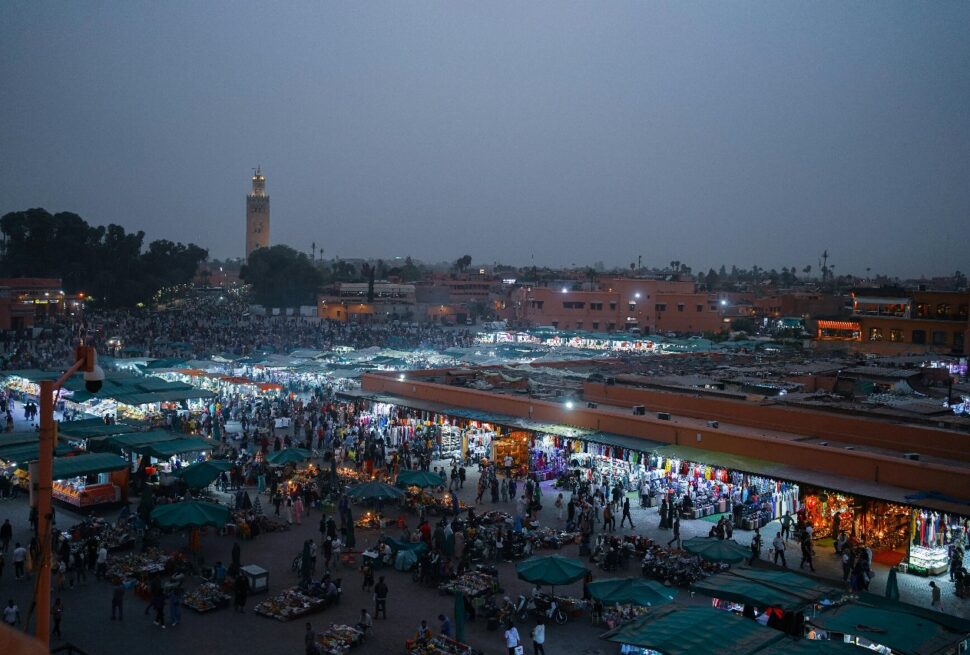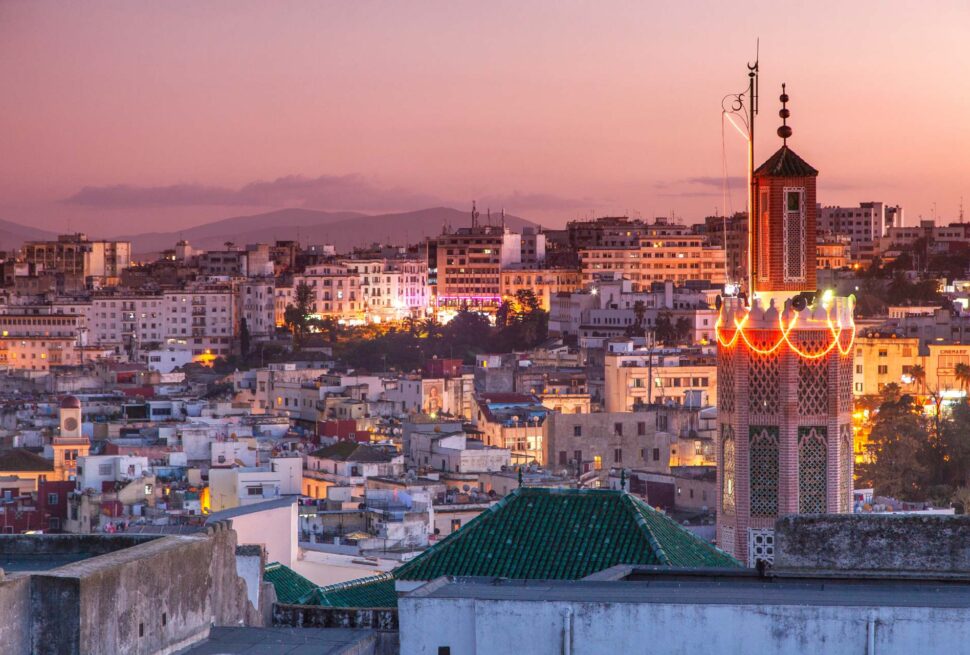
Can one bustling port city surprise you more than a whole country’s guidebooks promise? You arrive through Mohammed V International Airport and discover a destination rich with experiences. This guide to Things To Do In Casablanca reveals a city where modern streets meet a storied waterfront, blending sweeping Atlantic views, lively markets, and landmark architecture like the iconic Hassan II Mosque.
This short guide sets out clear choices for your travel plans and frames a smart trip for today. You get practical timing: trains run from Aéroport Med V early until late, CTM buses offer a budget option, and taxis take about 45 minutes to the center. That helps you plan your first hours with ease.
Expect a mix of headline sights and quieter corners that show local life. The aim is to help you save time, match interests, and leave ready for onward routes. Use this snapshot to set realistic goals and enjoy the city’s modern pulse alongside its heritage.- Fast transport links from Mohammed V International Airport. – Balance of major sights and local neighborhoods for efficient planning.
How to Plan Your Time in Casablanca Today
Map the visit around the atmosphere you want: choose ocean sunsets, Art Deco boulevards, or market energy and set your pace accordingly. With one day you can hit Hassan II Mosque, Mohammed V Square, the Old Medina, and the Corniche. Start early to beat queues and save open-air squares for late afternoon people-watching.
With two days add the Habous Quarter, the Museum of Moroccan Judaism and Villa des Arts, plus an Art Deco stroll. This guide helps you order sights so walking and transit complement each other. Transport matters: use petit taxis for short hops, the tram for central corridors, and walk compact neighbourhoods around the city centre. Petit taxis take up to three passengers; tram and buses fill gaps.
Safety is straightforward—normal big-city caution applies. Keep phones secure near busy streets where scooters move fast. Visit March–May or September–November for warm days and lighter crowds.
Hassan II Mosque
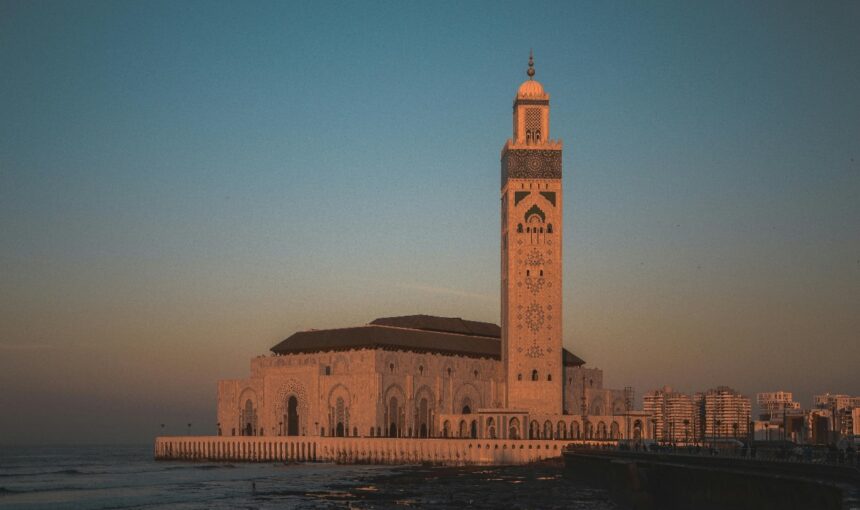
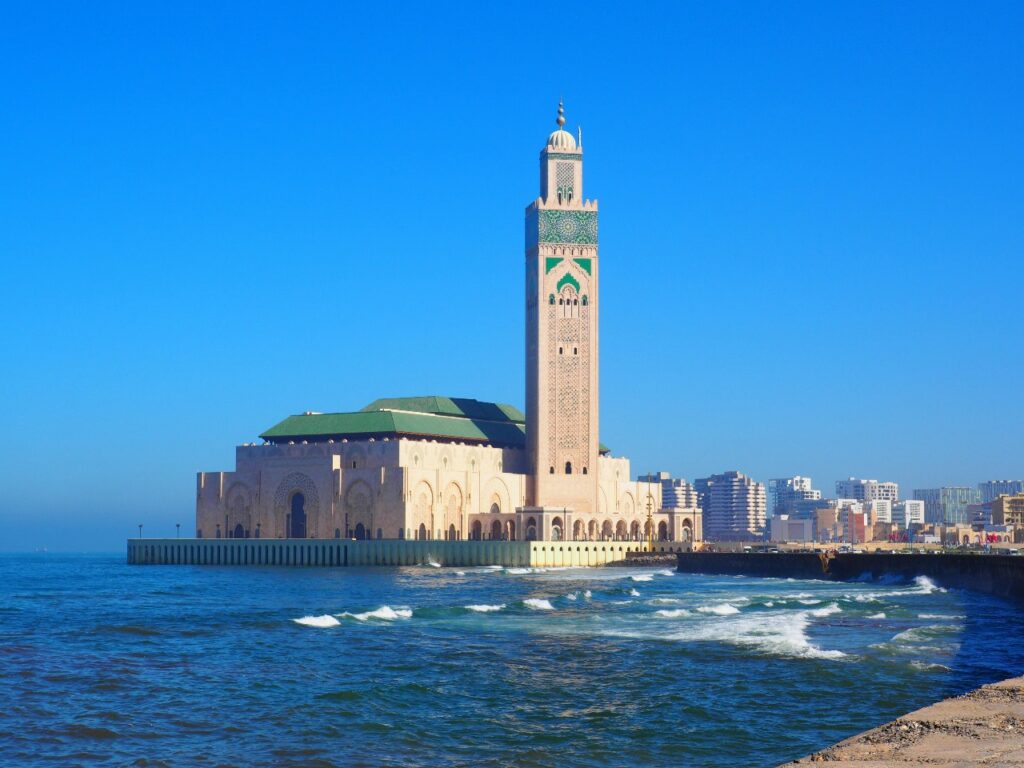
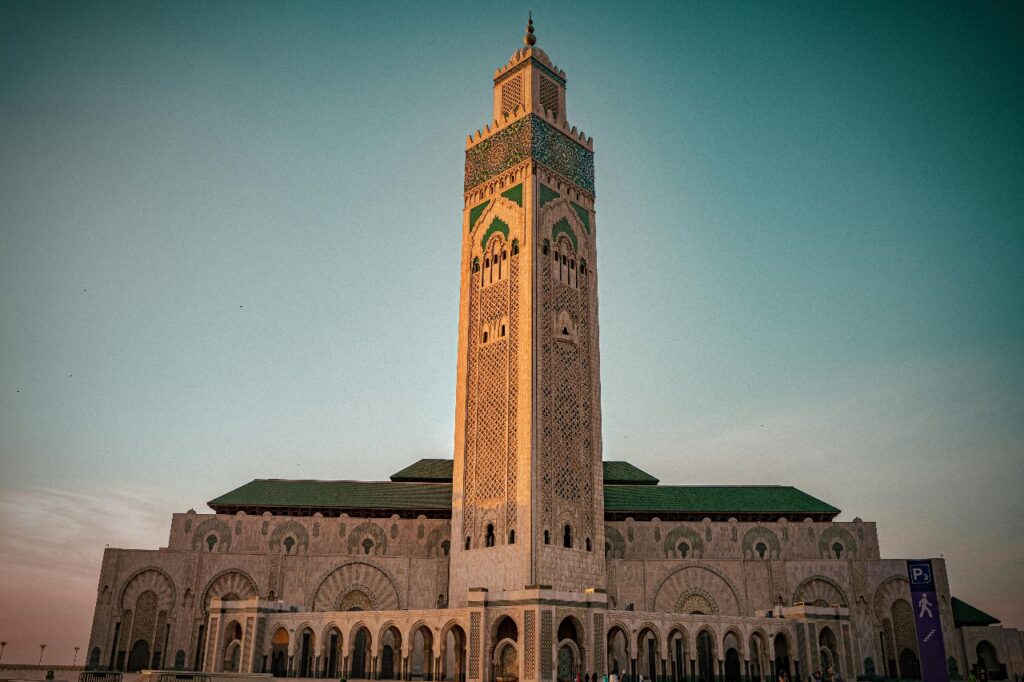
A landmark on Boulevard de la Corniche, the Hassan Mosque blends coastal scale with fine detail. Opened in 1993, this mosque showcases Moroccan craftsmanship and one of the world’s tallest minarets at 210 m. Its ocean-facing esplanade offers sweeping views over the Atlantic Ocean and a photogenic setting at sunrise or late light.
Guided tour essentials, opening times, and ticket tips
Non-Muslims enter only on guided tours, so book a slot ahead. Typical visiting hours run 9:00–18:00 and the site is closed on Friday; ticket prices are around 130 MAD. Plan your arrival time to match scheduled groups and avoid prayer periods.
Don’t miss: Oceanfront views, minaret details, and the marble prayer hall
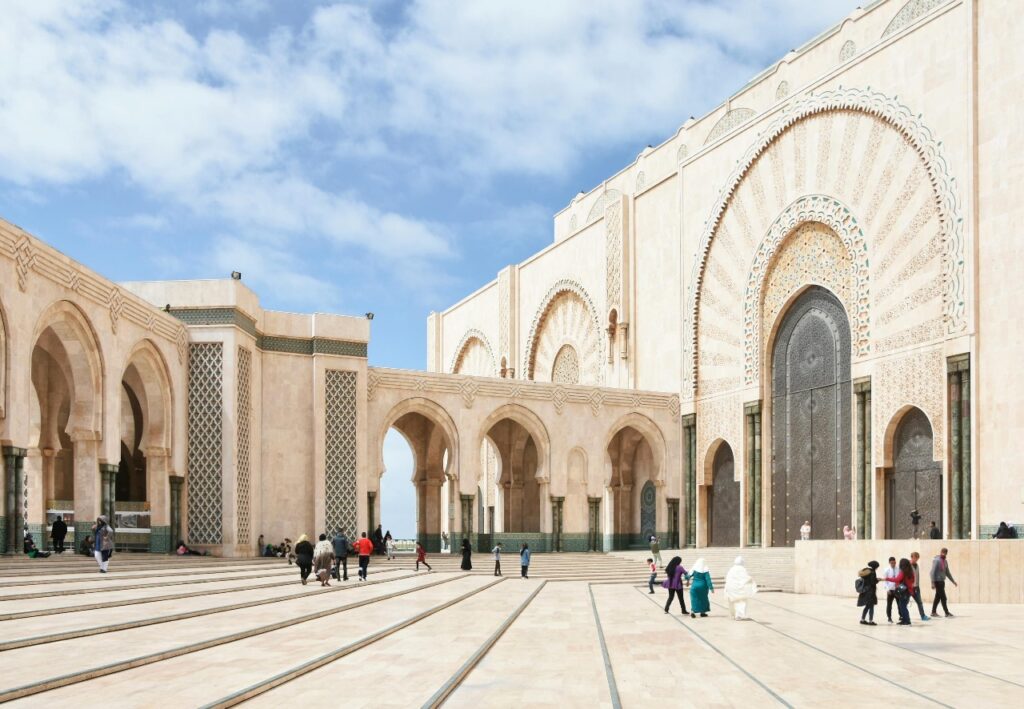
Walk the esplanade, then step inside to see marble floors, carved cedar ceilings, and intricate stucco. Frame the towering minaret against the sea for classic shots that show scale and texture. The mosque’s architecture reflects artisans from several regional cities.
The luxurious Hammam at Hassan II
The on-site hammam runs 8:00–22:00. Allow about 90 minutes and budget 150–200 MAD for a steam, scrub, and relaxation session after your visit.
Old Medina and Central Market
Begin your stroll at Marché Centrale and let the market set the day’s rhythm. The market, finished in 1917 on Boulevard Mohammed V, opens around 8:00 on weekdays and stays lively through mid-afternoon on weekends. At its octagonal centre you’ll find a buzzing seafood hall and rows of stalls selling produce, spices, and leather goods.
What to buy: spices, leather, handicrafts, and traditional finds
You’ll thread narrow street lanes to browse jars of cumin, olive stalls, and hand-stitched leather. Look for small rugs, brassware, and ceramics that travel well. These are classic traditional Moroccan keepsakes you can use at home.
Local vibe and safety
The old medina dates mostly to the 19th century and grew beside colonial expansions, so the history feels layered. Vendors serve both locals and tourists, so learn simple bargaining and accept friendly guidance.
Keep phones secure and watch traffic at crossings. Plan a late-morning visit to catch the seafood show, then find a tea shop or bakery for a quick, satisfying food stop. Use Boulevard Mohammed V and visible landmarks to stay oriented in the compact town maze.
Habous Quarter (New Medina)
Step into a quieter district designed in the 1920s that balances colonial grids with Moroccan details. The new medina was planned during the French Protectorate and pairs tidy arcades, squares, and orderly souks.
Souks, pastries, and tilework around the heart of the city
Stroll calm streets lined with leather and bookshops. The layout makes navigation easier than older lanes; you can move from artisan stalls to small courtyards without getting lost.
Pause at Pâtisserie Bennis for famed pastries and compare them with treats from the busy markets near the city centre. Admire modest buildings that mix traditional moroccan motifs with European-influenced styles.
Talk with locals in bookshops and leather stalls to learn which workshops craft the best goods. Pop into restaurants for reliable lunch plates, then pick up small gifts like embossed notebooks or spice blends.
The Habous offers a restful contrast to denser areas. Use this place as a calm stop before heading to galleries or the oceanfront and note how this planned quarter differs from other cities you visit.
Art Deco Casablanca
Walk the wide promenade of Boulevard Mohammed V and notice how early 20th-century design reshaped the urban grid. The city hosts one of the world’s largest concentrations of art deco architecture, with façades that mix geometric lines and local ornament.
On this street and nearby avenues in Anfa and Maarif you’ll see curved balconies, wrought-iron details, and bold geometry softened by Neo-Moorish touches. Guided art deco walks explain the rapid growth and colonial-era planning that set the area’s history and layout.
Compare styles block by block: some buildings lean toward streamlined modernism, while others keep traditional tilework. A self-guided route helps you match each façade to a moment in the town’s planning and design timeline.
Photograph rounded corners in the morning light, then pause at a corner café to review notes. That quiet break is a great place to mark favourite addresses and plan a return visit to study the architecture more closely.
La Corniche and Beaches
La Corniche links the Hassan Mosque esplanade with western shores, creating a broad promenade that runs past cafés, clubs, and calm seaside spots. Walk from the mosque for Atlantic Ocean views and easy stops at oceanfront terraces.
Ain Diab Beach: Clubs, cafés, and people-watching
Ain Diab is lively and social. Beach clubs, cafés, and restaurants line the sand. It’s a prime place for people watching and casual dining near the water.
Tamaris and nearby stretches: Quieter sands and coastal views
Head west toward Tamaris when you want quieter sand and cliffs. This area offers room to unwind and scenic viewpoints that feel removed from the port bustle.
Night atmosphere: Seaside restaurants and city lights
Plan your time for late-afternoon sun and stay for night dining. The promenade lights up as restaurants glow and the skyline frames the shoreline. Summer weekends bring more tourists; visit early or on a weekday if you prefer thinner crowds.
Practical tips: walk sections along corniche or hop bus #5 for quick transfers. Pause often for photos — surfers, spray, and the classic angle back toward the hassan mosque make great shots. Finish with a casual dinner by the water and enjoy the shift from beach energy to relaxed night atmosphere.
Museums and Culture: Where Casablanca’s Stories Live
A cultural loop of small museums and landmark churches reveals layered histories here. Spend a short stretch visiting compact institutions that explain the city’s past and present.
Museum of Moroccan Judaism: Unique in the Arab world
The Museum of Moroccan Judaism is the only Jewish museum in the Arab world. Exhibits include ritual objects, jewelry, textiles and synagogue reconstructions that place Jewish life among moroccan cities. This visit gives context you won’t find elsewhere in the country.
Villa des Arts: Art Deco gallery and contemporary Moroccan art
Villa des Arts, built in 1934, blends Art Deco architecture with a rotating range of contemporary works. The building’s lines show its years and style, while galleries keep changing exhibits for fresh takes on local artists.
Cathedrals and landmarks: Sacred Heart and Notre Dame de Lourdes
Photograph the white silhouette of the Sacred Heart Cathedral and the luminous glass inside Notre Dame de Lourdes. These buildings from the 1930s offer striking design and calm interiors even when not used for services.
Many sites offer short self-guided or docent-led tours. Check hours at each location so you can link stops by tram or taxi and spend time with exhibits rather than commuting. These visits round out your view of the city’s rich history.
Food, Cafés, and Nightlife: Eat Your Way Through the City
Sample the city’s culinary map with meals that span seafood stalls, garden courtyards, and film-era nostalgia. Start with a market lunch, linger at a garden restaurant for dinner, and finish with live music or a seaside stroll.
Rick’s Café
Rick’s Café recreates the film ambience with nightly music and a menu that blends Moroccan and international dishes. Reservations are recommended for dinner or a late drink.
The throwback atmosphere makes it a popular restaurants choice for visitors who want live music with their meal.
La Sqala
Set inside an 18th-century bastion garden on Boulevard des Almohades, La Sqala serves classic tagines and couscous in a photogenic setting. The courtyard and historic architecture enhance the dining experience.
This is one of the city’s relaxed restaurants where traditional moroccan recipes shine.
Central Market and the Port
At Central Market, counters fry fresh catch on the spot and nearby port stalls offer the day’s best seafood. Eat like locals by choosing a grilled fish plate and pairing it with mint tea or a small pastry.
Mix polished restaurants and casual market food so you sample a broad range of tastes. Time dinners for sunset along the Corniche if you want ocean views, then move on for an easy nightcap or a walk by the water. Ask locals where they grab coffee and sweets — those neighborhood recommendations often lead to the best plates.
things to do in casablanca morocco in One Perfect Day
Start early and follow a simple loop that covers landmark views, market flavor, and a seaside finale.
Morning: Hassan II Mosque, ocean views, and Mohammed V Square
Join a guided tour at about 9:00 at the hassan mosque to beat crowds. Linger on the esplanade for ocean photos, then walk or take a short taxi to Mohammed V Square.
Spend a little time admiring civic façades and the fountain before lunch.
Afternoon: Old Medina and Central Market wander
Head to Central Market for food; grilled fish or a simple tagine make a good quick meal. After eating, browse the Old Medina for small souvenirs and local scenes near the centre.
Evening: Corniche sunset and dinner by the Atlantic
Move toward La Corniche to arrive before the sun dips. Choose a seafront restaurant and keep your night plans flexible—mint tea and dessert or a lounge with music are both fine.
Short taxi rides between stops save steps and help you cover more of the city without rushing.
Two Days in Casablanca
Spend your second day exploring calm quarters, modern galleries, and seaside contrasts that reveal another side of the city. Start where lanes are gentle and cafés invite a slow morning.
Day two ideas: Habous Quarter, museums, and the Art Deco trail
Begin in the Habous Quarter for pastries at Pâtisserie Bennis and quiet shopping among craft shops. Then visit Villa des Arts and the Museum of Moroccan Judaism for a layered cultural view that spans years of local history.
In the afternoon follow an Art Deco trail through the centre. The route shows how this city diverged from other moroccan cities with bold 20th-century design and civic planning.
Optional add-ons: Morocco Mall, parks, and family-friendly stops
For a modern contrast, drop by Morocco Mall on the Corniche for coffee, shops, or arcade zones for kids. Walk Arab League Park or let children run at ANFA Park before you head back toward restaurants near the heart city.
Plan timings so you finish with a seaside pause. A final waterfront coffee or sunset stroll gives a satisfying goodbye before your trip continues through the country.
Getting Around and Practical Tips
Getting around the city is straightforward once you know the key routes and local rhythms. From the airport you have reliable options that balance speed, cost, and convenience.
From the airport: train, buses, or taxis
The airport train runs 06:00–22:00 and reaches Casa Port, Casa Voyageurs, Mers Sultan, and L’Oasis in about 45 minutes. It’s the best choice for predictable timing.
CTM buses take roughly 45 minutes to downtown for about MAD 20 if you want a budget option. Taxis give door-to-door service but expect fares near MAD 250–300.
Within the city: petit taxis, tramway, and walkable areas
Petit taxis carry up to three passengers and are ideal for short hops. Keep small bills handy and confirm your drop-off—many drivers use the Hassan Mosque esplanade as a landmark pick-up point.
The tram links major corridors and saves time when you cross busy streets. Walk compact clusters like the Old Medina, the Corniche segments, and the centre when distances are short.
Best time to visit: shoulder seasons and practical tips
Plan your visit for March–May or September–November for warm days and fewer crowds. Allow buffers for rush-hour traffic if you have booked tours or timed entries.
Quick tips: screenshot routes, keep cash for small fares, secure your phone in busy areas, and choose the train for predictable trips to the port or central stations.
Conclusion
The city’s mix of ocean views and architectural highlights gives a compact, satisfying visit. Hassan II Mosque, Mohammed V Square, the Old Medina and La Corniche sit within short taxi rides. You’ll leave with a clear sense of rhythm: coastal walks, lively markets, and landmark façades that put this place on the world map.
After this brief tour, you’ll feel ready for onward travel toward other great cities. Keep a short list of favourite squares, cafés, and galleries for a future return. That simple plan makes even a short stay feel full, relaxed, and well linked.