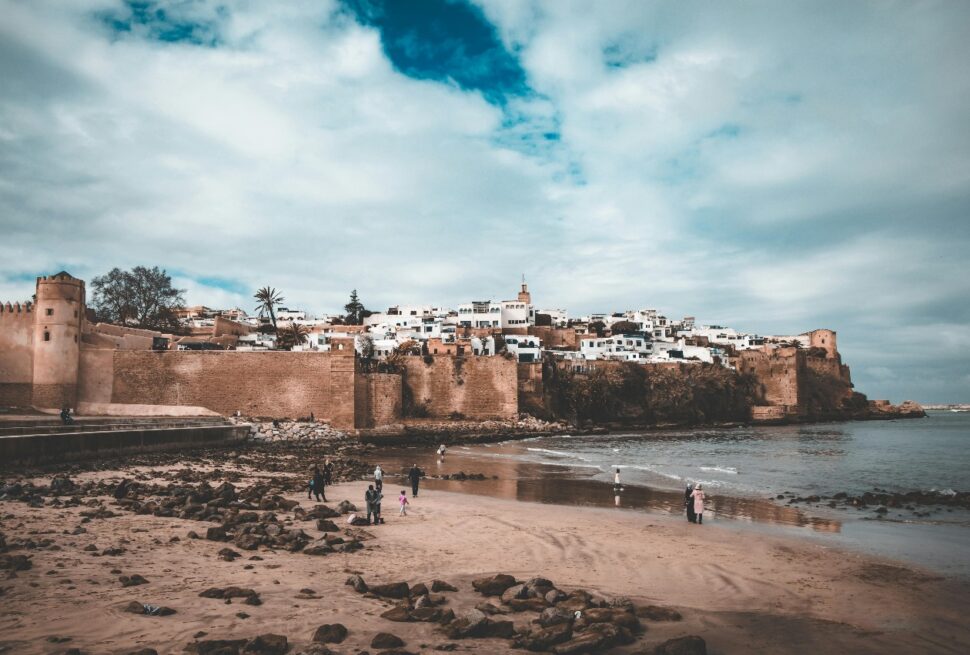

Which gateway will shape your whole journey: landing in an efficient hub or starting inside an immersive medina? When deciding on the best city to fly into for a Morocco trip, you’re choosing more than an airport; you’re setting the tone. Pick a good city and you save time, avoid extra transfers, and see more of the places that matter. Royal Air Maroc now runs nonstop service from New York (JFK) to Casablanca (CMN) in about 7.5 hours.
From Montreal (YUL), both Royal Air Maroc and Air Canada offer nonstop links. European carriers like Air France, Lufthansa, and Iberia connect U.S. travelers via Paris, Frankfurt, and Madrid to Casablanca and Marrakech. Fast ferries also matter. The Tarifa–Tangier catamaran takes roughly 60 minutes, while Algeciras–Tanger-Med runs around 90 minutes and ties into buses and trains. These options make northern loops and short hops into Spain simple.
This short guide compares major entry points so you can match arrival and departure with what you want to see. Below you’ll find a clear list of choices, sample routes, and time-savers to help you visit Morocco with confidence.
How to choose your gateway
Think strategically about where you land; that one decision shapes how you travel in-country. Start with your itinerary shape. If you plan an imperial loop, landing near major hubs keeps overland hours down. Desert-first plans work better when you arrive close to southern gateways. Northern loops pair nicely with Tangier and ferry options.
Match your trip type
Decide whether imperial sites, Sahara nights, or Atlantic coast days are your focus. That choice steers which airports or ports put you nearest the sights and reduce wasted travel time.
Time vs. money
If time matters more than savings, a nonstop to Casablanca often shaves a full day of fatigue. When budget rules, compare European-hub connections that land closer to your first stop and cut backtracking.
Practical moves: consider an open-jaw ticket (RAK in, CMN out), map overland hours, and weigh trains and buses against renting a car. Keep options flexible — mixing a ferry via Tarifa or Algeciras can add Spain without extra flights and give people more creative routes for their visit morocco plans.
Best city to fly into for a morocco trip
Pick the arrival point that saves you hours on the road and gives you more time to explore. Your gateway choice affects connections, fatigue, and how quickly you reach key destinations. Below are practical cases that match common itineraries.
Casablanca’s edge
Casablanca offers nonstop service from JFK and Montreal via royal air maroc, cutting one stop for many U.S. travelers. From CMN you’ll find the broadest domestic connections by air and rail to Rabat, Fes, Meknes, and Marrakech.
When Marrakech is smarter than Casablanca
Choose Marrakech when your first hours should be souks, Atlas foothills, or a Sahara tour. Landing at RAK keeps road time low and starts your visit fresh.
When northern gateways (Tangier/Tanger-Med) beat both
Northern options win if Chefchaouen, Tetouan, Asilah, or a quick Spain crossing are on the plan. Ferries from Tarifa (about 60 minutes) or Algeciras to Tanger‑Med (about 90 minutes) put you near the old port. Tanger‑Med lies roughly 40 km from Tangier by bus or taxi.
Think about travel fatigue and open‑jaw tickets (for example, RAK in, CMN out) if you plan a longer circuit. A single nonstop or short stop often makes the first 24 hours far more enjoyable.
Casablanca (CMN)
As the country’s busiest gateway, Casablanca gives you flexible onward options. Royal Air Maroc runs a nonstop JFK–CMN service, while Air France, Lufthansa, and Iberia offer routes via Paris, Frankfurt, and Madrid. These airlines widen your scheduling choices and keep international transfers simple.
Flight options
Nonstop and one-stop choices make CMN a practical first stop from the U.S. or Europe. When nonstop seats are full, European connections often match timing and price without extra fuss.
Onward travel
From CMN you can jump on trains or catch a bus to Rabat, Fes, Meknes, and Marrakech. Services run regularly, so you can land in the morning and be on your way the same day.
Who should pick CMN
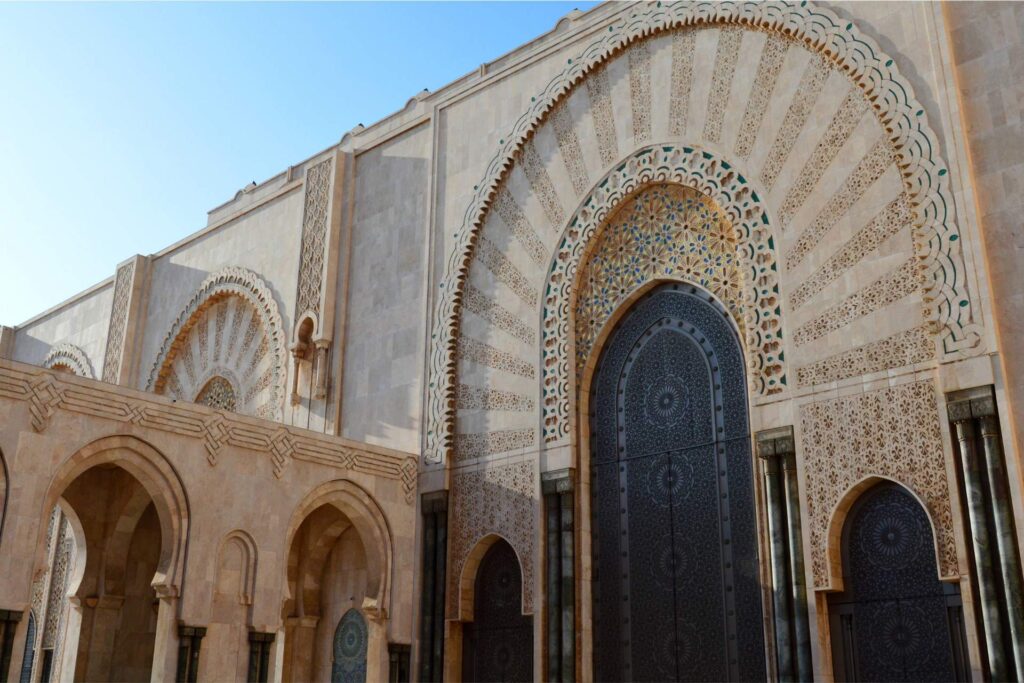
If you are a first-time visitor, short on days, or want flexible routing, CMN suits you. Spend a few hours or an overnight and visit the Hassan II Mosque, the only major mosque open for guided tours to non-Muslim guests.
Practical note: CMN’s frequent departures and solid ground links make it easy to reshape plans mid-journey. Use this hub to loop the imperial cities and reach other destinations without losing time when you visit morocco.
Marrakech (RAK)
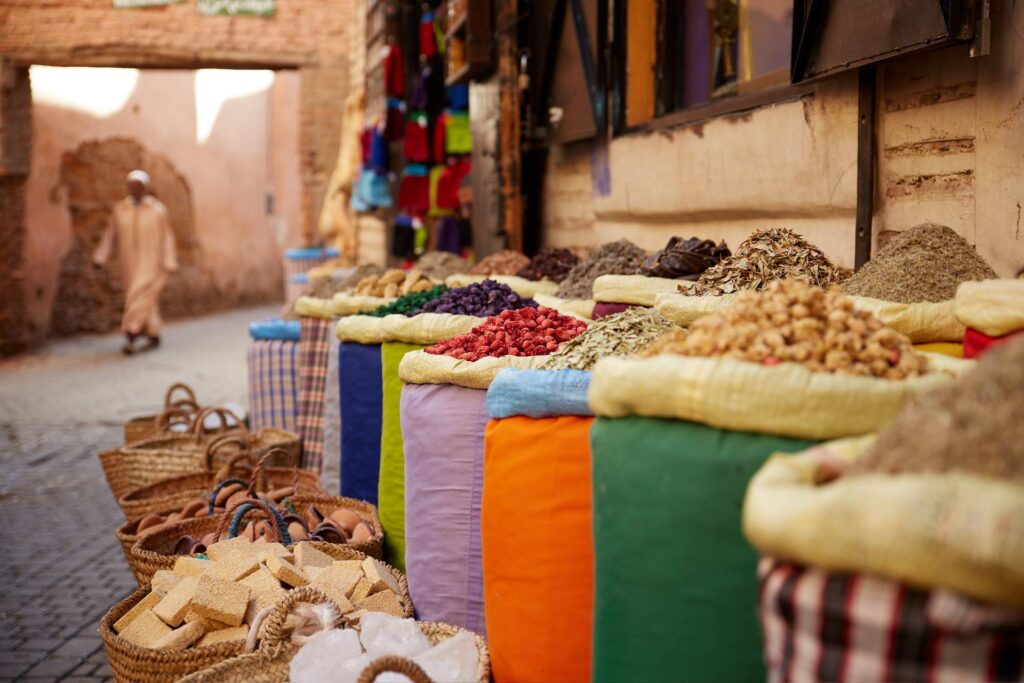
Touch down at RAK and begin with lively markets, mint tea, and quick desert departures. From many European airports you can reach Marrakech nonstop. British Airways serves Gatwick, and low-cost carriers like easyJet, Ryanair, and TUI add seasonal links.
Why RAK works
RAK drops you close to the medina, so your first hours can be about palaces, gardens, and food rather than long transfers. It’s also the main launch point for Sahara tours heading toward Merzouga and Erg Chebbi.
Many operators run 2–4 day routes that include Aït Benhaddou and Todra Gorge en route. That makes adding a desert segment simple and efficient.
Routing ideas and practical moves
Consider RAK in, CMN out as a smart way to cut road hours when you plan a loop. This way you save travel days and avoid backtracking between destinations.
Combine Marrakech with Essaouira by road for a coastal detour, then finish at Casablanca if your schedule or international routing demands it. Stay riad-central to walk more and shuttle less; the medina energy hits you on day one.
Tangier & Tanger-Med
If your plan includes Chefchaouen and coastal towns, Tangier makes the northern loop smooth and efficient. Arrive by air or by sea and you’ll save road hours while reaching many classic destinations fast.
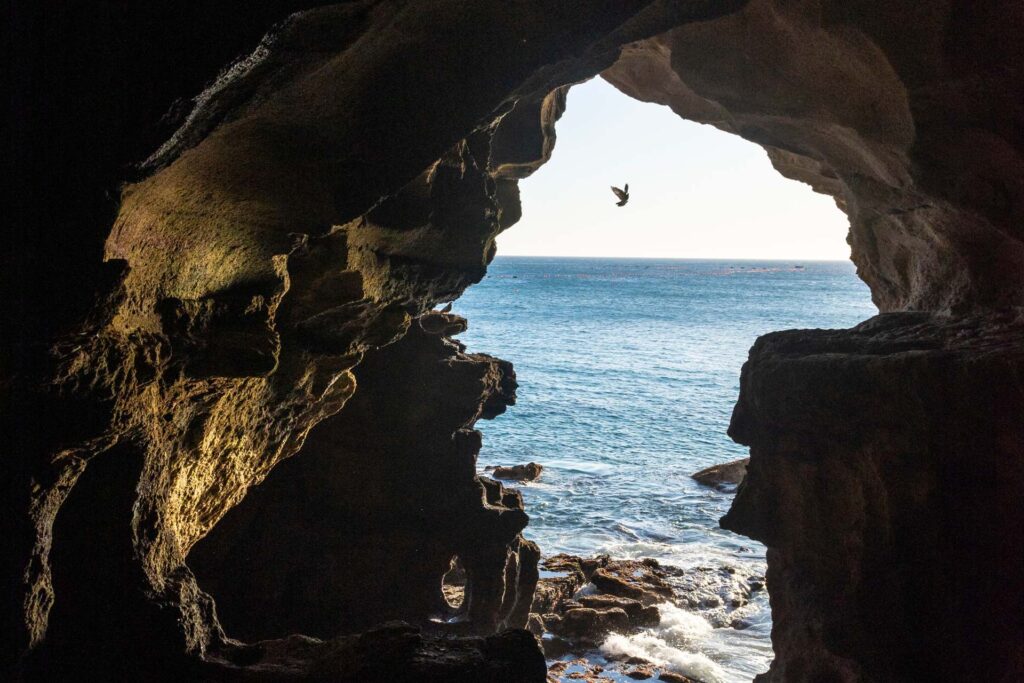
Arrivals by air versus ferry
Tarifa’s fast catamaran reaches Tangier’s old port in about an hour, letting you walk straight into the medina and start exploring. Ferries from Algeciras land at Tanger‑Med in roughly 90 minutes; remember that Tanger‑Med sits about 40 km east and needs onward links by bus, train, or taxi.
Day trips and onward connections
From Tangier you can easily day trip to Chefchaouen, Tetouan, and Asilah. Passport control is sometimes completed onboard, which can save time after docking. Ferries give flexible routing between the Iberian Peninsula and northern cities morocco visitors often prioritize.
Practical note: Ferries are frequent, but winds and sea conditions may add extra hours—pad your schedule when planning multiple destinations.
Fes (FEZ)
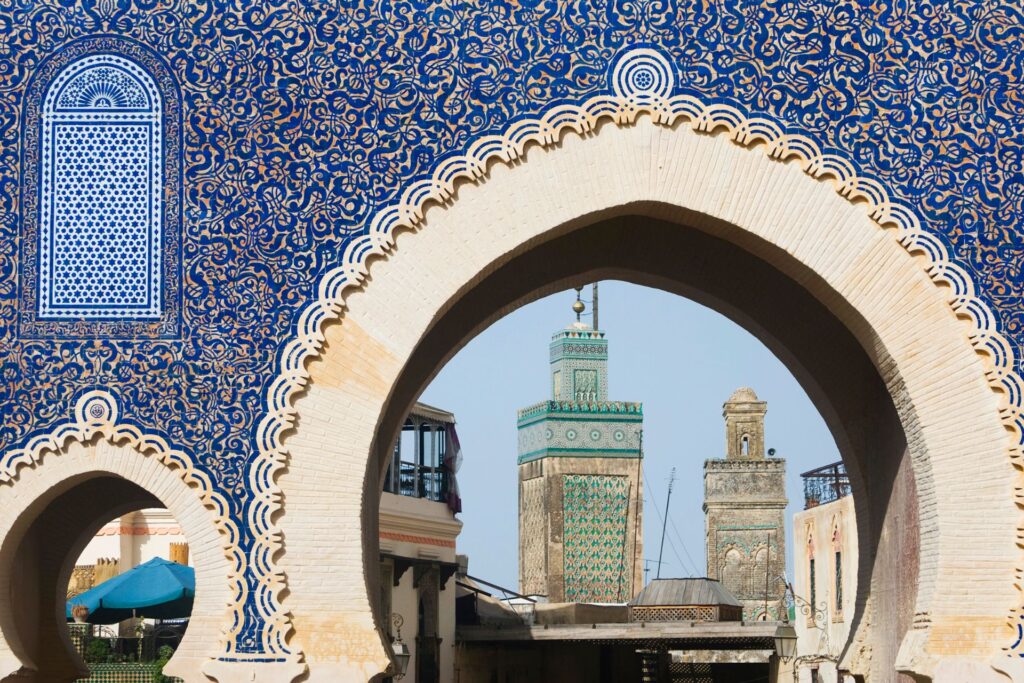
Fes opens as a living museum, where narrow lanes keep centuries of craft within arm’s reach.
Choose FEZ when culture leads your itinerary. The old quarter holds one of the world’s largest medinas and the famed Chouara tannery. Sensory layers—leather, pottery, carved madrasas—sit within walkable blocks.
Day trips commonly pair Volubilis, the Roman ruins, with nearby Meknes. Many guided tours run this loop, letting you return by evening and remain based in the old quarter.
Who should land near FEZ
Culture seekers and travelers on tight imperial-city plans find FEZ ideal. Each day can focus on craft, history, and local workshops without long transfers.
If flight schedules don’t match, consider arriving at CMN then taking a same-day train option. FEZ also pairs well with Rabat and Meknes when planning northern destinations or when you visit morocco with an imperial arc.
Agadir and the Atlantic coast
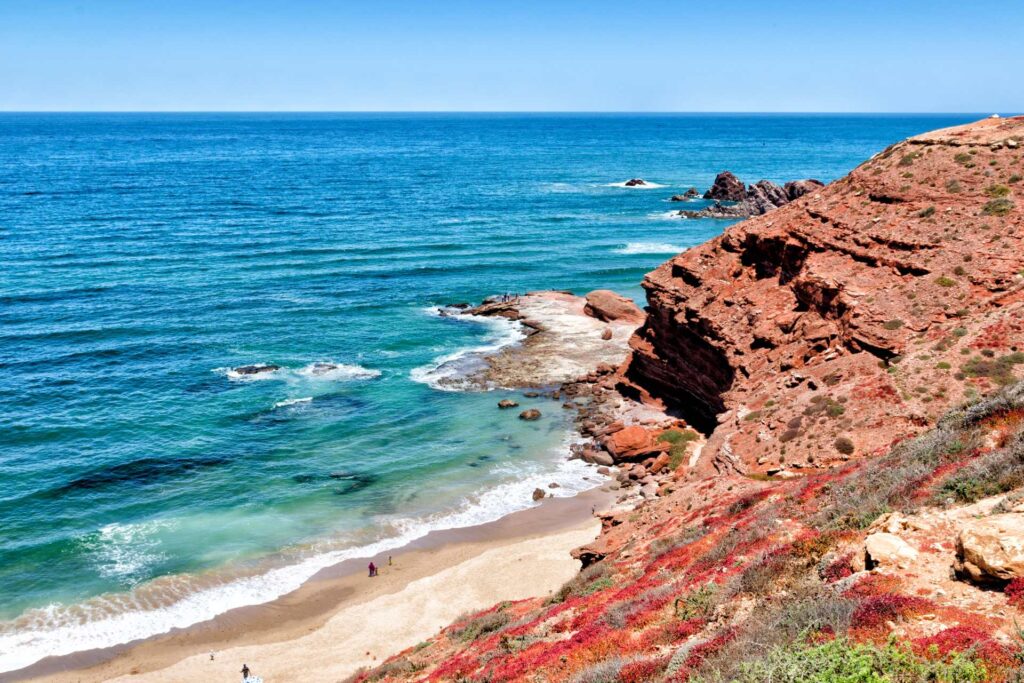
If beaches and mellow rhythms matter most, southern shores answer with surf-friendly towns and an easy pace. Agadir links directly with many low-cost European carriers and serves as a practical gateway to nearby surf hubs.
When Agadir makes sense
Fly here when your priority is beach time, surf culture, and easy days. Base in Taghazout or Tamraght for surf schools and relaxed cafes. Add Imsouane if you chase long point breaks and calmer lineups.
Adding Essaouira smartly
Road-trip north for Essaouira’s breezy ramparts, historic medina, and active kitesurf scene. It’s ideal as a two- or three-day add-on that balances shore days with music, markets, and seafood lunches.
Renting a car opens access to quieter coves such as Sidi Kaouki and Tafedna and makes coastal travel simple. Local tours and lessons welcome people of all levels, so even first-timers can learn.
Practical tip: Pair Agadir with Marrakech as your entry or exit city to avoid backtracking. This coastal stretch complements desert and imperial routes and gives you restorative shoreline time when you visit morocco.
Flight routes, airlines, and connections
Your transatlantic route can save hours or add a full day of travel, depending on connections. Choose carriers and timings that match your first destination and daylight needs. Small choices on arrival shape the rest of your travel day.
Nonstops and near-nonstops
Royal Air Maroc runs nonstop service from JFK to Casablanca in about 7.5 hours and offers similar links from Montreal. That single long-haul often beats an extra stop when you want fewer moving parts on day one.
Montreal also sees service from Air Canada, giving another near-nonstop option if you’re departing from eastern North America. These routes give clear options when time matters.
Via Europe and multi-city ticket strategies
Major European hubs—Paris (Air France), Madrid (Iberia), and Frankfurt (Lufthansa)—connect many U.S. gateways to Moroccan destinations. Use a multi-city ticket to arrive in one place and depart from another. This saves backtracking and can cut overland hours between sights.
Seasonality, prices, and booking tips
Prices rise in high season. Book about 2–4 months ahead to improve fare and cabin choices. Build buffer time for tight connections; a single stop usually beats two.
If you plan to pair Spain and Morocco, ferries (Tarifa–Tangier or Algeciras–Tanger‑Med) keep options flexible without extra flights. And if you bring your own car, prepare Green Card insurance, registration papers, and the D16 ter form for temporary import.
Map your hours
Plan each arrival so your first day feels like sightseeing, not transit. Below are compact routes that reduce long drives and give you more true exploration hours at each destination.
Classic imperial loop
Route: CMN → Rabat → Fes/Meknes/Volubilis → Marrakech → CMN or RAK. Base in Fes for Meknes and Volubilis day trips, then finish in Marrakech for southern access. This path keeps your road hours low and showcases the imperial cities.
Desert-first plan
Land RAK and begin a 3–4 day tour to Merzouga (Erg Chebbi). Most operators include Aït Benhaddou and Todra Gorge en route. Return to Marrakech, then depart from CMN to save extra overland hours.
Northern highlights
Arrive Tangier, spend a day, then add Chefchaouen, Tetouan, and Asilah. From there, choose a southbound train or flight to Fes or Marrakech depending on your available trips and timing.
Coast and culture blend
Start at Agadir for surf days in Taghazout or Imsouane, add two days in Essaouira, then finish with two or three days in Marrakech for palaces and souks. This split balances beach time with immersive medina hours.
Quick tips: schedule transfers near sunrise or late afternoon. Trim your list to 3–4 cities on tight itineraries. Use airlines and open‑jaw tickets to cut one long overland hour. Anchor any major tour segment near arrival or departure so it doesn’t splinter the rest of your travel and helps you visit morocco with less rush.
Conclusion
Pick an arrival that gives you more hours exploring, not more hours moving.
Think practically: match the city nearest your key destinations. Casablanca’s nonstop links via royal air maroc often save time. Ferries from Tarifa and Algeciras add northern options and flexible crossings.
Keep your list small so each place feels full. Use airlines and open‑jaw tickets to shrink long transfers. If you bring a car, sort insurance, registration, and the D16 ter form early.
Whether you chase coast, culture, or desert, thoughtful routing gives more joy and less rush. Make your pick, book with confidence, and visit morocco with curiosity.
FAQ
What’s the easiest international gateway for most U.S. travelers planning an imperial cities itinerary?
Casablanca’s Mohammed V (CMN) offers the most nonstop and one-stop options from the U.S., largely via Royal Air Maroc and partner carriers. It saves time when you plan quick loops through Rabat, Fes, and Meknes because train and bus links radiate from CMN, making onward travel efficient for short trips.
When should you choose Marrakech (RAK) instead of Casablanca?
Fly into Marrakech when your main goals are souks, riads, and Sahara tours. RAK puts you close to desert tour departures and southern highlights, cutting several hours of overland driving if your itinerary centers on Agafay, Ouarzazate, or Erg Chebbi.
Are there smart routing tricks to minimize road time between arrival and departure?
Yes. Consider open-jaw tickets: arrive in RAK and depart from CMN (or vice versa). That lets you follow a loop—south first, then north—without backtracking. Multi-city tickets via Europe can also reduce total driving time and give city-to-city flexibility.
When do northern gateways like Tangier make more sense?
Tangier (and Tanger-Med for ferries) is ideal for travelers starting a northbound loop, planning ferry connections to Spain, or wanting fast access to Chefchaouen, Tetouan, and Asilah. It shortens time on mountain roads if your route hugs the Rif and Atlantic north coast.
How do flights from the U.S. compare: nonstop versus via Europe?
Nonstops (primarily Royal Air Maroc to CMN from New York) are quickest but limited in schedule. European hub connections—Air France, Iberia, Lufthansa—offer more routings and often better fares year-round. Balance total travel time, layover quality, and price when booking.
Which gateway is best for visiting the Sahara (Merzouga/Erg Chebbi)?
Marrakech is often the most practical launch point for Sahara tours headed to Merzouga. Some travelers also transit from Fes for northern routes, but RAK typically reduces long highway hours before overnight desert camps.
Is Fes (FEZ) a good arrival point for culture-focused travelers?
Absolutely. FEZ places you right at one of Morocco’s most immersive medinas and offers easy access to Meknes and the Roman ruins at Volubilis. It suits travelers prioritizing heritage, handicrafts, and concentrated imperial-city time.
When should you fly into Agadir or include Essaouira?
Choose Agadir if you want surf, beach towns like Taghazout, and sunnier Atlantic weather. Essaouira pairs well with either Agadir or Marrakech; sequence them to avoid backtracking—Agadir → Essaouira → Marrakech or RAK → Essaouira → CMN are common combinations.
How many days do people usually spend after arriving to make the most of their chosen gateway?
Aim for at least two full days in the arrival area to adjust and explore. For loops that include imperial cities and a desert night, plan 7–10 days. Longer stays let you slow down, add coastal stops, and reduce rushed transfers between hubs.
What transport options connect gateways to other destinations—trains, buses, or rental cars?
Morocco’s ONCF trains link Casablanca, Rabat, Fes, Meknes, and Marrakech on reliable schedules. CTM and Supratours buses cover many routes, including desert transfers. Rental cars offer flexibility for coastal and mountain detours but factor in driving times and local road conditions.
Are there seasonal considerations when choosing an entry point?
Yes. Summer brings high heat in southern deserts, so northern gateways or coastal arrivals may feel more comfortable. Winter can close some mountain passes and makes desert nights colder. Peak tourism months affect fares and tour availability—book early for December–March and July–August.
How do ferry options influence gateway choice if coming from Europe or planning to visit Spain?
Ferries land at Tangier Med or the old Tangier port from Algeciras and Tarifa. If you plan a Spain–Morocco combo or a northbound itinerary, arriving via ferry into Tangier and flying out of another hub can save overland hours and create efficient loops.
What are practical booking tips for flights and tours to reduce stress on arrival?
Book international flights with arrival at least one day before major tours. Reserve reputable desert transfers and riads in advance. Consider multi-city air tickets, check seasonal luggage rules for tour vehicles, and read recent reviews for local operators and train schedules.
Which airlines and routing methods usually offer the most reliable schedules from North America?
Royal Air Maroc provides the most direct service to CMN from New York and seasonal U.S. routes. For broader options, book through major European carriers—Air France, Iberia, and Lufthansa—using a single-ticket itinerary to protect connections and baggage transfers.
How can travelers balance time, budget, and experiences when choosing their initial Moroccan gateway?
Start with your priorities: cultural immersion, desert access, or coastal relaxation. Match that to available flights and total overland hours. If time is tight, prioritize nonstops or an arrival hub closest to your main activities. If budget or exploration flexibility matters, route via European hubs or use open-jaw tickets to craft an efficient loop.