
Curious what makes this North African nation feel so alive—day and night? Picture bustling medinas, wind-swept dunes, blue alleys, and coastal towns where the pace slows. This short guide to Best Things To Do In Morocco is a practical, traveler-first list to help you plan a confident, comfortable visit. It covers major regions city medinas, the Atlas Mountains, the desert, and the Atlantic coast—plus sensible planning tips on safety, visas, and currency so you can travel with fewer surprises.
You’ll get clear direction by major destinations and key experiences. I highlight Marrakech at night, Roman ruins, Sahara dune hikes, and Atlas Mountain views. Each suggestion includes cultural context, timing cues, and simple planning tips to help you shape a realistic trip. If you’re short on time, the guide also shows how to combine nearby places so you can visit more without rushing.
Expect honest local color: crowded markets, relaxed beaches, and dramatic desert light. I focus on picks that match different paces and interests so you can shape an easy itinerary over 10–14 days. Whether you prefer city life, mountain trekking, or quiet nights under the stars, this guide points to the best balance of sights and downtime in the country.
Before the full list, a quick note: respect photo boundaries, bargain kindly, and dress for religious sites. Those small courtesies keep your visit smoother and more rewarding. Quick planning rule: pick one big city, one nature stop, and one unforgettable night—then leave breathing room between them.
Why Visit Morocco for Your Next Trip From the United States
A single visit can deliver wild dunes, blue alleys, high peaks, and lively markets—often within hours of each other. That quick variety is the country’s strongest draw: in a 7–14 day window you can mix city life, mountain hiking, and a desert night without constant long transfers. Think Marrakech → a High Atlas day trip → an overnight in the desert as a realistic routing that shows how different places fit into one trip.
Iconic variety in one country: Move from centuries-old medinas to mountain trails and then unwind on the Atlantic coast. Each stop highlights distinct **cities** and countryside character that feel like separate worlds, so the contrast between busy souks and silent dunes becomes the point of the visit.
What first-time travelers find most memorable
The energy of **souks** and markets stays with most visitors—layered history in monuments, bold street food flavors, and everyday scenes that reveal local life. These sensory moments often outpace single attractions and shape the best travel memories.
Morocco can feel intense in busy squares; with measured pacing and a flexible plan the payoff is large. Use this list as a menu: pick which contrast appeals to you—city or nature—and build your ideal itinerary around that choice.
How to Plan Your Time in Morocco
Plan your days so each stop feels unrushed and easy to enjoy. A realistic rhythm makes your trip more satisfying and less tiring; small buffers for travel, tea breaks, and rooftop sunsets keep the pace humane and flexible.
Ideal length and pacing
With 7–10 days you can hit major highlights: a city hub (for example Marrakech), a High Atlas day trip, and a desert night at Merzouga. Ten–14 days gives breathing room for slower travel and side trips — think a 12‑day sample: 3 nights Marrakech, 2 nights Atlas/berber village, 2 nights desert (including a camp), 3 nights in Fez and Chefchaouen with travel days in between. Use extra days to rest or add a coastal stop.
Getting around
Options include renting a car, hiring a driver-guide, taking trains between major cities (Casablanca–Rabat–Fez), or joining organized tours. Self-driving gives flexibility, but note narrow medina streets and limited parking; avoid night driving on rural roads. A hired driver or guided transfer can be the quickest, least stressful way to cover long legs while learning local routes.
When to go
Spring and fall suit city walking and cool desert nights — ideal for most travelers. Summer brings high heat in inland areas that changes how you plan each day (siesta hours, early mornings); mountains stay cooler most months, making them good alternatives in hot seasons. Check seasonal weather when booking multi-day treks or desert camps.
Medina basics and comfort
Use simple navigation tactics: offline maps, memorable landmarks, and a local guide in Fez if the lanes feel overwhelming. Haggling is normal—start lower, be friendly, and walk away if the price doesn’t fit. Stay hydrated, wear sturdy shoes, and build buffer time for unexpected delays. Practical extras: get local SIM/data for navigation, ensure your car insurance and breakdown cover are valid, and keep digital copies of important time-sensitive documents.

Experience Marrakech After Dark in Djemaa el-Fna
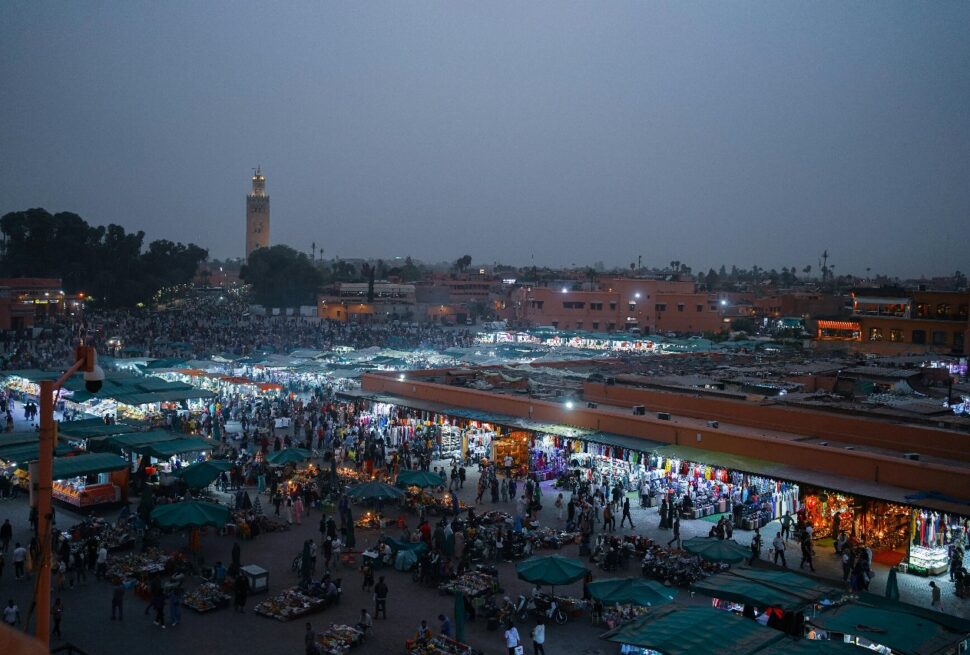
Step into Djemaa el-Fna at dusk and watch the square shift from calm to electric. The city’s central market is a roughly 1,000-year-old stage for food stalls, storytellers, and street performers and holds UNESCO recognition for its living cultural traditions. Expect loud rhythms, bright lights, sizzling aromas, and constant motion as night settles—a sensory mix that captures why many people call Marrakech the heart of the city experience.
Food stalls and performers
Do this first: walk the outer ring of stalls to sample a few small plates and discover vendors you like before committing to a meal. Sample strong, spiced tagine bites, fresh salads, and grilled skewers so you taste more without filling up. Watch performers—drummers, story-tellers, and traditional acts—while keeping valuables secure and carrying small change for quick purchases or tips. Avoid single-use plastics where possible and use bottled or filtered water.
Rooftop dinner views
For a memorable experience, book a rooftop terrace that faces the square and arrive 30–45 minutes before sunset. That timing gets you soft pre-sunset light, a full view of the square as lanterns glow, then the busy night scene. A typical three-hour evening plan: 6:30 pm arrival, taste three small plates in the square, 8:00 pm rooftop sundowner, 9:30 pm watch a performance—book ahead in high season to secure the best place.
Souk wandering in the medina
Start with a clear landmark (a rooftop café or the main gate) and move slowly through the souks. Look for leather goods, lanterns, textiles, and ceramics—shopkeepers expect friendly haggling: offer about half the asking price to start, smile, and be prepared to walk away if the deal doesn’t fit. Respect photo boundaries—ask before photographing people or private workshops.
Must-see sights and pacing tip
Split your day: visit Bahia Palace and the Saadian Tombs during daytime hours and save Jardin Majorelle for a calm morning when it’s quieter. This split—“day sights” and “night vibes”—helps you enjoy both without exhaustion and keeps your nights free for the electric Djemaa el-Fna atmosphere. Quick safety CTA: book a rooftop table for sunset to secure the best view and avoid last-minute scrambling.
Casablanca Highlights Beyond the Movies
If you’re arriving by plane or train, Casablanca makes a practical coastal reset before deeper travel. The city is a working economic center with international flights and fast train links to Rabat and Fes, but it also hides a few show‑stopping places worth a brief visit. Budget 2–4 hours for the main highlights if you’re passing through.
Hassan II Mosque on the Atlantic
The Hassan II Mosque sits dramatically over the Atlantic. It is one of the largest mosques in the world and offers guided tours for non‑Muslims at set hours. Budget about 60–90 minutes: enjoy exterior photo angles and the sea breeze, then join an interior tour without rushing. If your schedule is tight, reserve a tour slot in advance to guarantee entry and make the most of your time.

Rick’s Café: Film Vibes and a Dinner Stop
Rick’s Café channels a 1942 movie atmosphere in a relaxed, slightly theatrical setting. It’s an easy dinner stop for travelers who want classic film charm with minimal effort—reservations are often recommended, especially for evening seating. Use this place as a convenient, atmospheric option when you need a familiar-style meal after travel.
Corniche Promenade for Ocean Views and Cafés
Finish with a stroll along the Corniche. Waterfront cafés serve mint tea and light meals with sweeping ocean views, a peaceful contrast to inland medinas. This easy walk helps you unwind after travel and positions Casablanca nicely as a first or last city on your wider itinerary; if you prefer faster connections, consider skipping Casablanca for direct travel to Marrakech or Fes.
Rabat for Capital-City History and Ocean Views
Rabat offers a calm capital rhythm where ocean breezes meet centuries of layered history. It’s an easy stop when you want a softer pace than busy markets, without missing meaningful sites. Located about an hour from Casablanca by fast train, Rabat works well as a comfortable half‑day or overnight stop between major cities.
Mausoleum, mosaics, and the Hassan Tower
Plan 30–45 minutes here: the Mausoleum of Mohammed V looks understated from the outside but reveals rich mosaics and carved cedarwood inside—move slowly and stay respectful. Nearby, the Hassan Tower stands as a graceful ruin; the column field hints at the grand plan interrupted after the 1755 earthquake and helps you imagine the intended scale. Check opening times before you go, as access can vary.
Kasbah des Oudayas and a mint tea pause
Allow 30–60 minutes: climb to the Kasbah des Oudayas for sweeping Atlantic views, then stop at Café des Oudayas for mint tea and people-watching. This simple pause captures local life and fits neatly into a relaxed daytime rhythm without feeling rushed.
White-walled medina strolls
The medina here is calm and mostly white-walled—stroll slowly for handcrafted souvenirs and photos without the crush you find elsewhere. Rabat is a gentle place to add to an itinerary: plan a half‑day if you’re tight on time, or a full day if you want more café breaks and museum visits.
Chefchaouen, the Blue City in the Rif Mountains
A visit here rewards slow steps: the town’s blue lanes ask you to move without hurry. This visually striking town sits in the Rif mountains and is worth the extra travel time. It’s one of the most distinctive places visit on a North African route—built for slow wandering, quiet moments, and easy photography—so plan to linger rather than rush through.

Getting lost on purpose in the blue-painted medina
Give yourself a full day to explore the blue medina. Walk without a tight plan and use simple navigation cues—a landmark café, a painted doorway, or the clock tower—so you can intentionally “get lost.” Best times to avoid crowds are early morning and late afternoon; be mindful of respectful photo etiquette and ask before photographing people, especially inside homes.
Spanish Mosque hike for sunset views
The short hiking trail to the Spanish Mosque is manageable and high reward—time it for late afternoon so you catch sunset colors over the valley. Bring water, wear good shoes, and pack a light layer for cooling evening air. From the hill you get sweeping views back over blue roofs and into the surrounding mountains, making the short climb well worth the effort.
Kasbah fortress and town-center landmarks
Finish at the Kasbah fortress in the town center: its small museum and gardens give context beyond photos and reward a slower pace. Sip mint tea at a nearby café, browse local handicrafts, and consider combining Chefchaouen with a stop in Tangier or Fez—road quality varies, so allow extra travel time. This gentle village-like rhythm is why many travelers choose to visit morocco specifically for Chefchaouen’s calm atmosphere.
Fez for the Ultimate Medina, Markets, and Crafts
Fez opens like a living museum where narrow alleys hold centuries of craft and daily trade. The medina here is one of the world‘s largest pedestrian-only areas, which means tight lanes, constant foot traffic, and sensory intensity. Pack sturdy shoes, expect close quarters, and allow extra time to move slowly through the maze.
Why the medina feels uniquely immersive
Because cars are mostly excluded, vendors, donkeys, and locals share lanes that were built long before modern transport—this creates an intimate rhythm where you absorb layered history with every step. Plan short stops at courtyards and workshops to break the intensity and notice details like carved woodwork and tiled doorways.
Chouara Tannery: timing and vantage points
Visit Chouara early for comfort and clearer photos—the smells build later in the day. For the best vantage point, watch from a leather shop terrace above the pits rather than standing at ground level; shop owners often invite visitors up for a small fee or to explain the process. Morning light also helps show the colors in the dyes and mosaic floors.
Bab Boujloud and souk routes
Enter through Bab Boujloud and follow a simple route: textiles first, then metalwork, spices, and finally pottery—this keeps your walk focused instead of random. Prioritize one souk lane at a time, and look for quieter side alleys to rest; souvenir bargaining is expected, so be friendly and firm when haggling.
al-Qarawiyyin and historic learning sites
al-Qarawiyyin University anchors Fez as a major historic learning site. Even if you can’t enter every religious space, pause in open courtyards to feel the academic atmosphere and deep history—these spots are quieter and offer reflective moments away from the busiest lanes.
Pottery and mosaic workshops
Spend late afternoon in small workshops to watch artisans shape tiles and clay—timing visits after market hours often means calmer demonstrations and better explanations. Seeing items made helps you shop smarter and value the skill behind each piece; ask about origin and technique before buying.
Tip: If the maze feels overwhelming, hire a local guide for 2–3 hours. A short, confident tour turns confusion into discovery, points you to the best workshops, and helps with bargaining—especially useful on your first visit to the city.
Meknes for Imperial Gates and Crowd-Free Exploring
Meknes offers a quieter imperial rhythm that invites slow, curious walking. This former capital frames grand architecture without the constant rush found in larger city centers — it’s an excellent place when you want scale and calm together.
Bab Mansour and Place el Hedim
Stand beneath Bab Mansour and let the details slow you down: tilework, carved stone, and the gate’s scale anchor the medina’s edge. Look closely—small mosaics and carved motifs reward patient eyes. Across the gate, Place el Hedim feels like a neighborhood living room; sit at a café, watch daily life, and try a simple snack for a low-key local moment.
Moulay Ismail Mausoleum and historic medina lanes
Plan about 30–45 minutes at the Moulay Ismail Mausoleum: dress modestly, lower your voice, and move slowly to absorb the ornate interiors and respectful atmosphere. Afterward, wander nearby lanes for small shops and relaxed photo stops—these quieter routes show daily life and make shopping feel intimate rather than hurried.
Pairing Meknes with Volubilis
Combine Meknes with nearby Volubilis for a rewarding half‑day or full‑day outing. Volubilis is roughly 30 km (about a 30–45 minute drive) north of Meknes, so a practical half‑day plan is morning at the ruins and an afternoon in Meknes. This short stop links imperial architecture with ancient ruins and gives a fuller sense of regional history without long drives. With fewer tourists than larger sites, Meknes offers calmer pacing and more genuine moments; consider a morning at Volubilis followed by lunch and an afternoon stroll in Meknes.
Volubilis for Ancient Roman Ruins and Mosaic Floors
A Roman city unfolds among Moroccan fields, surprising you with columns and mosaics that feel almost whole. Volubilis is the country’s most intact Roman archaeological site and a UNESCO World Heritage Site since 1997. The layout—streets, forums, and houses—lets you picture civic life and gives a clear sense of the area’s layered history.
Top ruins to look for
Start at the Triumphal Arch; it frames the site and makes a natural photo point. Pause at the basilica and the forum to imagine civic ceremonies and markets, then check the bathhouses for stonework and plumbing traces. The mosaic floors are the emotional centerpiece—many remain in situ, which makes the ruins feel intimate and immediate.
Practical tips for comfort
Visit early morning or late afternoon to avoid midday heat and crowds—shade is scarce on site. Bring plenty of water, wear sturdy shoes for uneven stones, and carry a hat and sunscreen. Facilities are limited at the ruins, so plan snacks or restroom stops in nearby Meknes. Entry fees and opening hours vary seasonally; consider joining a short guided visit to add historical context and avoid missing key panels or mosaics.
Easy pairing with nearby towns
Volubilis sits about 30 km north of Meknes and fits neatly into a half‑day or full‑day outing. A practical half‑day plan: morning at the ruins, then lunch and an afternoon stroll in Meknes. If you want a quieter cultural add‑on, stop at Moulay Idriss, the nearby holy town, for a brief walk and local tea before heading back. This places visit pairs well with Meknes to give a fuller regional picture when you visit morocco.
Merzouga and Erg Chebbi for Sahara Desert Dunes
A visit to Merzouga puts you at the edge of towering wind‑shaped sand, where a single dune can feel like a small mountain. Erg Chebbi is the classic spot for a true dunes moment and the image many travelers have in mind when they think of the desert. Decide whether you want an active adventure or a slow, contemplative night under the stars—both are excellent places to experience the Sahara.
Camel trekking at sunset
Mounting a camel is gentle and surprisingly steady. Most rides last around two hours, timed so you crest ridgelines as the light softens—sunset makes the sand glow and the slow pace lets you notice texture, shadow, and silence. For safety and comfort, choose operators who provide experienced guides, clear pickup/drop-off points, and basic camel-handling briefings.

Overnight in a Berber camp
After the ride, reach a desert camp for dinner and live Berber music by the fire. The night sky opens into a flood of stars and temperatures can drop sharply—expect cool to cold nights (often near-freezing in colder months), so pack warm layers. An early wake delivers a dramatic sunrise over the dunes—a patient, memorable experience you’ll remember long after the trip.
Optional add‑ons
If you want more action, choose a 4×4 safari, sandboarding down steep faces, or a longer guided trek between dune ridges. If you prefer calm, short guided tours or a slow walk along the ripples are excellent ways to soak in the landscape. Decide in advance whether you want adrenaline or stillness and book activities accordingly.
Packing and safety
Packing well makes the desert comfortable: bring warm layers for night, sunscreen, sunglasses, and a hat for fierce daytime sun. Carry water, keep electronics in sealed bags to avoid sand ingress, and bring a small first-aid kit. Recommended operator checklist: licensed guide, included meals, description of tent type (private vs communal), and clear cancellation/insurance terms. Hydrate constantly and protect skin and eyes to ensure a safe, comfortable experience on this iconic dunes trip. CTA: book your camel and camp through a reputable operator in advance during high season to guarantee availability.
Khamlia Village for Gnawa Music and Berber Pizza
Khamlia sits at the desert’s edge, where music and hospitality turn a stopover into a memory. This small village invites you to share time with locals and learn about community rhythms rather than just seeing scenery—a human-centered experience that supports local livelihoods and deepens your travel story.
How a visit supports cultural exchange and community life
The visit centers on respectful exchange: arrive as a guest, listen more than you perform, and follow hosts’ cues. These visits help sustain income for families and keep musical and culinary traditions alive, so your presence directly supports local people and community projects.
What a typical visit includes
Expect a warm tea welcome, hands-on time learning medfouna (often called Berber pizza), then a shared meal. After dinner, evenings open with live Gnawa singing and dancing—intimate performances that feel different from staged shows. Most visits are organized through Merzouga guesthouses or local tours, and operators usually include transport and a modest contribution to the hosts.
Gnawa music, etiquette, and practical tips
Gnawa music is rhythmic, soulful, and immersive—low drums, call-and-response vocals, and trance-like grooves. Ask before photographing, follow your host’s lead, and bring small bills for fair purchases or tips; buying a small handcrafted item is a generous way to say thanks. Typical costs vary by arrangement, but expect a modest fee or suggested donation—confirm details when you book.
Why it matters: A stop in Khamlia adds human connection to your desert route and becomes the kind of experience you remember long after travel photos fade. If you want to plan responsibly, book visits through reputable guesthouses or local operators, ask how proceeds support the community, and bring respectful curiosity to every encounter.
Aït Benhaddou for a UNESCO Fortified Village and Movie Sets
Morning light softens the ksar’s mud-brick facades and makes wandering feel timeless. The earthen architecture and fortress-like layout give the place a calm, ancient character—walk slowly and you’ll feel like you’ve stepped onto a living set. Aït Benhaddou is an accessible day trip from Ouarzazate (roughly 30–45 minutes by road), making it an easy stop on southern routes.
Walking the ksar and climbing for panoramic views
Explore on foot along narrow lanes and uneven paths. Take short breaks, move deliberately, and climb gradually for wide views over the valley; higher vantage points reward simple photos and quiet moments. The ksar is generally open to independent visitors, but wear grippy shoes and allow extra time for uneven steps.
Film locations spotlight
This site is famous as a backdrop for major productions—look for scenes from well-known movie and TV titles as you walk, which adds a fun “I’ve seen this before” layer to the visit. The film link brings extra visitors at peak times, so plan an early arrival to enjoy calmer lanes.
Meaningful lunch stop and notes
Stop at Tawesna Tea House for a relaxed meal tied to local, women-led initiatives—a thoughtful stop that supports community projects and feels grounded after exploring the ksar. Practical tips: visit early for cooler, quieter lanes; bring water; wear grippy shoes; and consider hiring a local guide if you want deeper history beyond the film trivia. This is one of the most photogenic places visit in the region—arrive early to beat tour buses and catch the best light when you visit morocco.
Ouarzazate and Desert Gateways for Kasbahs and Cinema History
Ouarzazate sits where kasbahs meet film sets, offering calm staging for your southern route. This city acts as a practical in‑between stop that helps you pace long drives toward the desert. Many travelers use Ouarzazate as an overnight break rather than pushing straight through, which makes longer southern routes more comfortable.
Kasbah Taourirt and Atlas Film Studios
Kasbah Taourirt is an accessible example of regional architecture—walk its courtyards to see earthen walls, decorative motifs, and how homes cluster for shade. Nearby, Atlas Film Studios offers behind‑the‑scenes looks at cinema in the region; tour availability varies, so check opening times and book in advance when possible to secure a guided visit.
Fint Oasis and short side trips for views and quiet breaks
Fint Oasis is a short side trip that rewards you with peaceful views, palm shade, and slow walking—an excellent quiet counterpoint between long road days. Other nearby short trips include local kasbahs and small villages that show rural life and traditional architecture.
Travel time from Marrakech to Ouarzazate typically ranges from about 3.5 to 5 hours depending on route and stops (allow more time for Tizi n’Tichka pass traffic or photo breaks). Use Ouarzazate as a base for nearby places to avoid constant repacking and to break up a long drive on a multi-day trip morocco. CTA: consider an overnight here to rest before continuing into the desert and to fit a studio or kasbah tour into your schedule.
The Atlas Mountains for Hiking, Villages, and Big Views
High ridgelines and quiet valleys make the Atlas a welcome reset from busy city life. The range gives you fresh air, wide panoramas, and a clear change of pace after crowded medinas. Spring and autumn are ideal weather windows for comfortable hiking, and the Atlas is one of the best areas in the country for accessible mountain scenery.
High Atlas day trips and multi-day trekking from common gateways
From Marrakech, common gateways like Imlil let you choose a gentle day walk (for example the Imlil to Aremd circuit) or a multi-day trek (such as a Toubkal summit itinerary). Day options suit travelers with limited time who still want big views; multi-day routes bring remote passes and nights in simple mountain lodges. Allow extra time for acclimatization and altitude awareness on longer routes.
Hire a local guide for safety and local insight—guides know route conditions, weather windows, and the best village stops that maps miss. For multi-day trips, book a certified guide and confirm porter arrangements and fair wages in advance to support ethical trekking practices.
Berber village visits: what to expect and how to be a respectful guest
Berber villages welcome slow visits: expect warm hospitality, shared mint tea, and unhurried conversation. Ask before photographing people or homes, accept invitations politely, and offer small gifts or fair payment for hosted meals. These gestures sustain local life and show respect for community traditions.
Anti-Atlas alternatives for off-the-beaten-path mountain scenery
If you want fewer crowds, head to the Anti-Atlas—areas like the Ameln Valley and Tafraoute feature dramatic rock formations and quieter lanes. Trails here feel different: more solitude, striking geology, and a distinct cultural rhythm from the High Atlas.
Packing basics: bring layered clothing, sturdy shoes, sun protection, and a small first-aid kit. Those simple items keep hiking comfortable rather than punishing and let you enjoy the varied terrain of the atlas mountains. CTA: book a certified guide for multi-day treks and check local weather and trail reports before setting out.
Ifrane and the Middle Atlas for a “Switzerland of Morocco” Surprise
Ifrane feels startlingly alpine, with tidy streets and chalet-style homes that make you double-check the map. That charming contrast is a useful pause on a longer route through the atlas mountains, offering cool air and a completely different local home-style vibe compared with the souks.
Ifrane National Park hikes and Barbary macaques
Short trails through cedar woods are an easy nature win—try the Sif Al Wadi loop (about 1–2 hours) for a gentle walk among cedars. Bring binoculars: **Barbary macaques** sometimes appear near shaded paths, especially in spring and autumn. These walks are ideal if you want gentle hiking without high-altitude strain; keep a respectful distance from wildlife and follow park signage.
Architecture, forests, and cool-weather escapes
The town’s neat plazas, stone facades, and cool air feel very different from hotter cities—pack a warm layer and plan a hot drink stop to enjoy the calm. Best seasons for cedar walks and macaque spotting are spring and autumn when temperatures are mild and trails are comfortable.
How to add Ifrane to your route: use it as a half‑day or full day stop between larger destinations—morning walk, lunch in town, then continue your travel through the region. It refreshes your pace and offers a quiet break in the wider area.
Coastal Morocco for Laid-Back Beach Time and Fresh Seafood
A stretch of Atlantic coastline offers room to breathe and simpler pleasures between inland routes. Adding a coastal stop slows the pace and balances busy city sightseeing with wide horizons and salt air. Coastal places are ideal when you need a gentle reset after long drives or desert nights—plan a restorative day or two to recharge.
Essaouira: fortified medina strolls, ramparts, and breezy beach culture
Essaouira is a UNESCO-listed coastal town with a fortified medina and broad ramparts. Walk the sea walls, browse small galleries, and pick unfussy seafood at a harbor café—try grilled sardines, seafood tagine, or fresh calamari when available. The winds favor windsurfers, so pack a light windbreaker and expect more water sports than sunbathing some days. Connections: Essaouira is reachable by road from Marrakech (about 2.5–3 hours) or by seasonal flights; check timetables when planning.
Agadir: wide beaches, marina energy, and coastal viewpoints
Agadir is a relaxed beach city with long sands, a lively marina, and family-friendly promenades. Visit the Kasbah area for easy panoramic views and sunset photo spots, then choose a seaside café for mint tea and a fresh seafood plate. Agadir is practical for travelers who want comfort, cafés, and straightforward beach time.
Practical tip: Plan one or two full day stops on the coast during a 10–14 day itinerary—simple rhythms (a slow walk, a market visit, and a fresh meal) often recharge you more than extra sightseeing. For transport, consider flying into Agadir or taking coastal trains and buses; Essaouira tends to be best reached by car or shuttle from Marrakech. Coastal stops are low-stress and popular with tourists, so book accommodations in high season.

Conclusion
Choose a few contrasting stops—a lively city, a quiet coast, a mountain walk, and a desert night—and let the rest breathe. This simple mix helps you visit morocco with calm pacing and deeper moments. Protect your time: add rest days, leave afternoon windows open, and avoid turning travel days into full sight-seeing marathons so you return home refreshed, not exhausted.
Pick priorities from this list: one large medina, one historic highlight, one nature break, and one unforgettable night. Use a local guide in narrow lanes, consider a driver or tours for long legs, and bring a car plan if you prefer flexibility. Meet people with patience, ask before photos, and let the country teach you.
Quick travel checklist: passport and visas confirmed, local currency or card access, a local SIM or data plan for maps, travel insurance, and photocopies/digital backups of important documents. Pack a basic first-aid kit, comfortable shoes, and weather-appropriate layers so you can enjoy each trip without last-minute scrambling.
Final CTA: Save this checklist and sketch your 7–14 day route now—choose one city, one nature stop, and one night that matters, then leave space to discover the rest. Happy travel planning!