
Morocco is a country of dazzling contrasts, from sun-baked Sahara dunes to snow-capped Atlas peaks and vibrant coastal cities. The good news is that you can visit this incredible destination year-round, always finding something unique and wonderful to experience. However, to maximize your enjoyment, especially if you plan to explore the bustling Imperial Cities like Marrakech and Fes, certain times are definitely optimal. Choosing the best time to visit Morocco depends entirely on your travel goals, whether you are seeking moderate temperatures for sightseeing, a beach escape, or a quiet desert adventure. Use this comprehensive guide to pinpoint the perfect dates for your Moroccan journey.
The general consensus among seasoned travelers is that spring (March to May) and autumn (September to November) offer the most pleasant weather conditions across most of the country. These shoulder seasons avoid the intense heat of summer and the chill of winter nights. In the following sections, we’ll dive deep into when to visit Morocco, covering the climate patterns, the regional differences (from coast to desert), the major festivals, and practical planning tips. By understanding these nuances, you’ll be ready to book a trip that perfectly aligns with your expectations.
Why Travel Timing Matters
When planning your Moroccan tour, several key variables will help you decide on the ideal month. The geography of the country creates incredibly diverse microclimates, meaning the weather can vary dramatically depending on where you are. The interior cities and desert regions, for example, experience the most extreme temperatures. While summer brings stifling heat inland, winter can see significant snowfall in the High Atlas Mountains. In contrast, the coastal areas, like Private Casablanca tours and Essaouira, benefit from refreshing Atlantic breezes that regulate temperatures year-round.
Another significant factor is the level of tourism, which directly impacts the price and availability of accommodation and tours. The spring and autumn months, while climatically ideal, are the peak seasons for crowds and higher prices. Conversely, traveling in the depths of summer or winter generally results in better deals and fewer fellow tourists at major sights.
Planning around local festivals is also key; major events often mean hotels book out quickly, but offer an unparalleled cultural experience. To help streamline your trip logistics and manage these variables, you can start by checking out our dedicated Plan Your Trip page for tailored advice.
Best Time to Visit Morocco
Spring (March-May)
Spring is arguably the most delightful season to travel to Morocco. The landscapes are lush and green following the winter rains, and the air is fragrant with wildflowers. Temperatures are warm and comfortable across the board, making it perfect for city explorations in Marrakech and Fes, as well as trekking in the Atlas Mountains before the summer sun becomes too harsh. This is prime time for visitors, so be sure to book your flights and riads well in advance to secure the best spots and reasonable prices.
Summer (June-August)
Moroccan summers bring significant heat, especially in the interior and desert. Inland temperatures frequently soar above 40°C (104°F), which can make midday sightseeing challenging. However, this season has its pros! The Atlantic Coast offers a beautiful escape, with Essaouira and Agadir providing cooling sea breezes. Summer is the perfect time for a relaxing beach holiday or for enjoying the vibrant nightlife that spills out into the evening hours in places like Casablanca. If you plan to visit the desert, extreme caution and early starts are essential to beat the worst of the heat.
Autumn (September-November)
Autumn rivals spring as the most pleasant time to explore. After the summer heat breaks, the temperatures drop back into the comfortable 20s and low 30s C (70s-80s F). The weather remains sunny and reliable, but the intense crowds of the spring peak season have often thinned out slightly. This season is particularly special for mountain and desert activities. The light is fantastic for photography, and it’s a wonderful time to witness the regional harvest festivals throughout the country, adding a rich cultural layer to your travels.
Winter (December-February)
While it may not sound like an obvious choice, winter offers unique and quieter opportunities for travelers. The days are generally sunny and mild in the south, especially in the desert and the lower-lying cities, though temperatures can drop dramatically after sunset. This is the absolute best time for exploring the Sahara Desert without the risk of extreme heat. If you enjoy snow, the Atlas Mountains transform into a beautiful winter sports destination. Be prepared for cold, damp weather and fewer daylight hours in the northern cities like Tangier and Fes.
Month-by-Month Guide
January – February
These are the quietest and coldest months in Morocco. Expect chilly, sometimes damp, conditions in the north (like Tangier) and cool, clear days in Marrakech and the south. Crowds are minimal, and prices are low, making it ideal for budget travelers or those wanting to explore the Sahara in mild comfort. Pack plenty of warm layers for the cold evenings.
March – April
The sweet spot of Moroccan travel. Temperatures are beautifully mild across the country (high teens to mid-20s C). March kicks off the peak season as the country bursts into bloom, and April brings reliable sun and comfortable sightseeing weather. It is also a popular time for trekking and marks the start of many regional cultural events.
May
May is consistently warm, sunny, and dry, perfect for combining city breaks with coastal visits. It’s a transition month before the summer rush truly begins, offering great weather before the interior heat becomes oppressive. Major cultural events, such as the famous Festival of World Sacred Music in Fes, often take place in late May/early June.
June – August
Temperatures climb significantly. June is manageable, but July and August are blisteringly hot inland. This period is best reserved for the Atlantic Coast, where ocean breezes provide natural air conditioning. Desert trips should be avoided or taken with extreme caution. If you are seeking a beach holiday, these months are ideal.
September
A prime month, second only to April. The extreme summer heat has dissipated, yet the weather is still wonderfully warm and settled across the entire country. The ocean is at its warmest for swimming, and the crowds begin to thin slightly, offering a balance of good weather and less intense tourist traffic.
October
Excellent for travel, particularly for trekking and desert adventures. The weather is consistently dry and sunny, hovering in the low to mid-20s C (70s F). This month is often marked by the Dades Valley’s annual Date Harvest Festival, providing a fantastic opportunity to experience rural Moroccan life and regional traditions.
November – December
As winter approaches, the weather cools, and tourism quietens. November is great for exploring cities like Casablanca and Fes without the summer heat. December is perfect for a cool desert trip or a festive city break before the holiday season. The air is crisp and clear, and hotel prices are often excellent outside of the Christmas/New Year period.
Region-Specific Timing – Coast, Desert, Mountains & Cities
Coastal Morocco
The Atlantic coastline, including cities like Tangier, Essaouira, and Agadir, enjoys the most temperate climate due to the cooling effect of the ocean. The best time to visit is during the summer (June to August), when the rest of the country is sweltering. The constant sea-breeze makes the coast feel much cooler and more comfortable for walking and sunbathing. While winters are mild, they can be overcast and rainy in the north. For tours from Tangier see our dedicated Tangier tours page.
Sahara & Desert Regions
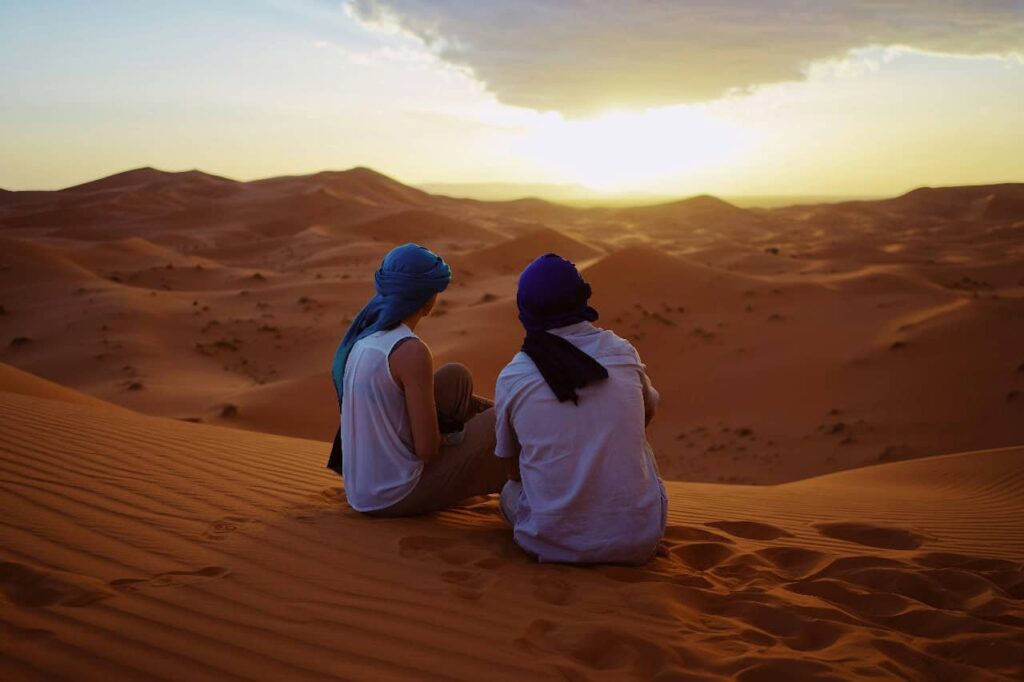
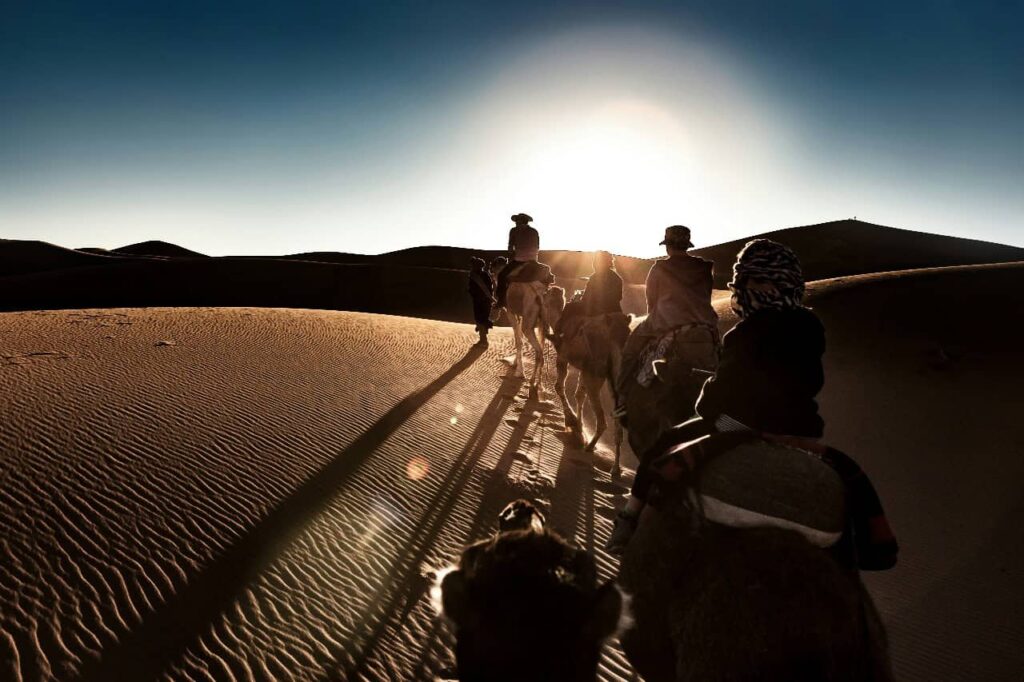
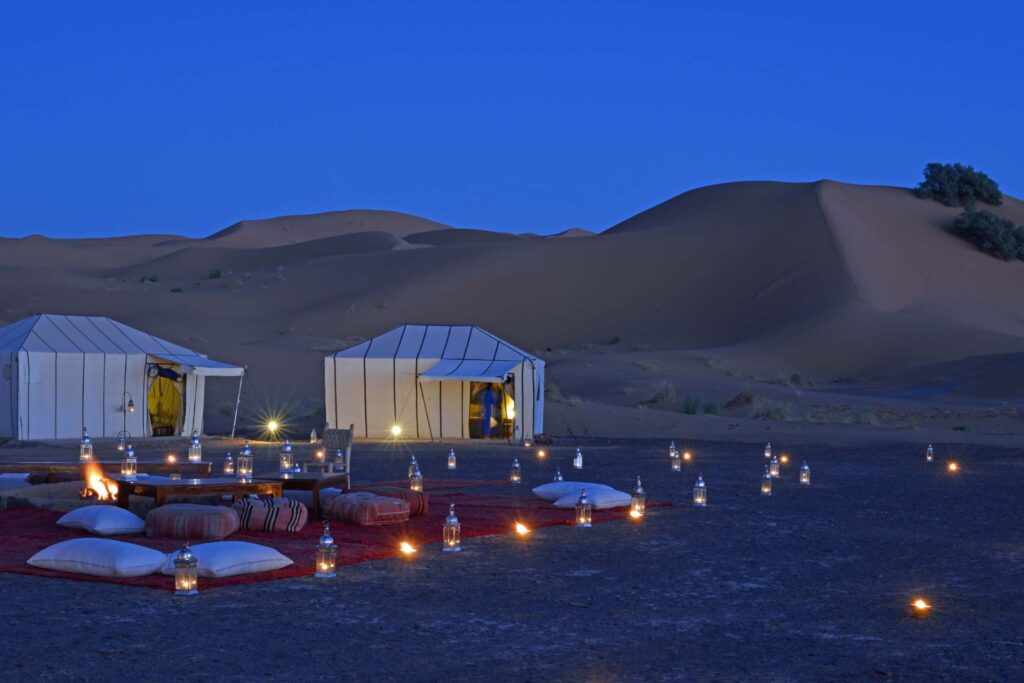
For an unforgettable journey into the Sahara, the shoulder seasons of spring and autumn, as well as the winter months, are highly recommended. From October to May, daytime temperatures are moderate and comfortable for camel trekking and camping. High summer (June-August) must be approached with caution as the heat can be dangerous, with temperatures often exceeding 45°C. For an authentic experience in the cooler months, consider an immersive trip like a 3-Day Desert Tour from Fes to Marrakech.
Atlas Mountains / Trekking / Snow
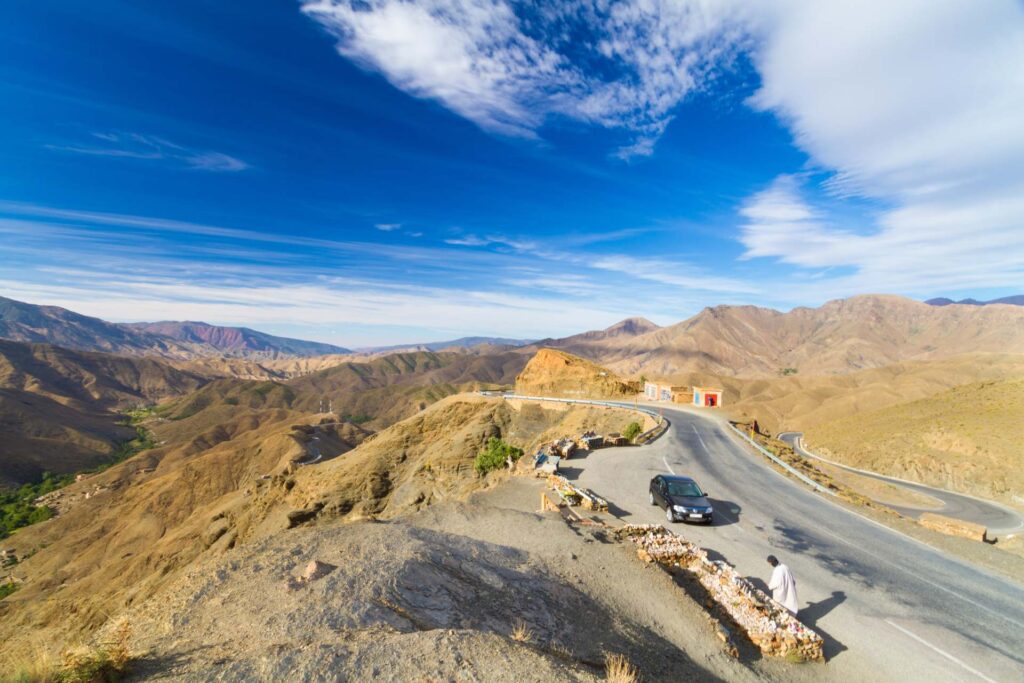
The Atlas Mountains are best visited for hiking from April to June and again from September to October. These months offer clear skies and manageable temperatures, avoiding the high altitude heat of summer and the deep snow of winter. From November to March, the higher peaks are often snow-covered, making them suitable for skiing and mountaineering, but challenging for casual trekking. Be aware of the significant temperature drop from the valleys to the mountain passes.
Imperial Cities & Interior
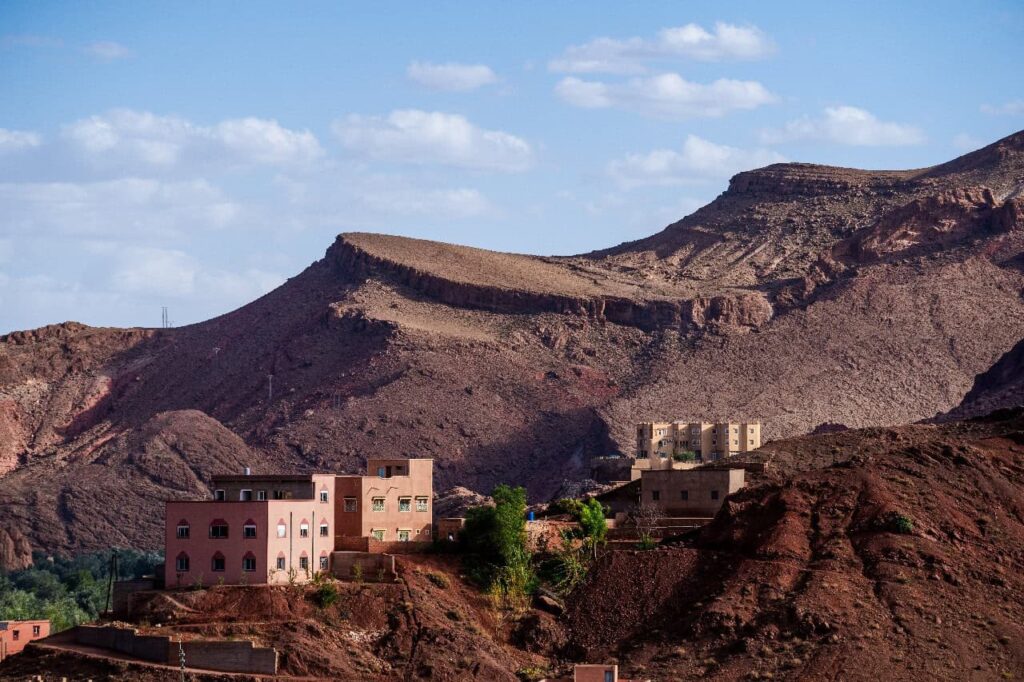
The Imperial Cities, including Marrakech, Fes, Meknes, and Rabat, are at their most enjoyable in the spring and autumn. This is when the weather is warm enough for T-shirts during the day but cool enough at night to ensure a comfortable sleep. While the cities are beautiful under a winter sun, remember that most traditional riads rely on open courtyards and can be surprisingly cold at night. If you visit in summer, plan your sightseeing for early mornings and late afternoons.
Festivals & Special Events Calendar
Attending a Moroccan festival is an incredible way to delve deeper into the culture. Planning your trip around a major event can transform your experience. One of the most famous is the Gnaoua World Festival in Essaouira in June, a dynamic celebration of local and international music. Also highly recommended is the Fes Festival of World Sacred Music, typically held in May or June, which draws spiritual musicians from across the globe. Another captivating event is the Imilchil Marriage Festival in September, a traditional celebration in the Atlas Mountains.
Tips for Booking & Travel Planning
Booking in advance is crucial if you plan to visit during the high seasons of spring (March–May) and autumn (September–October). During these peak times, accommodation fills up quickly, and prices are at their highest. If your budget is tighter, consider the low seasons (January–February and July–August), which offer significant savings on both flights and lodging.
When traveling during the low season, ensure you confirm all desired activities are available, particularly in less-traveled areas. It’s also important to be mindful of Ramadan. The date of this holy month changes annually and involves fasting during daylight hours, which can affect restaurant opening times and the general pace of life. For up-to-date travel advice and tips, consulting a reputable source like our Morocco Travel Guide is always beneficial.
What to pack
When considering what to pack, think in terms of layers, regardless of the season. Even in the heat of summer, evenings can bring a sharp drop in temperature, especially near the mountains or in the desert.
- Spring/Autumn: Light clothing for the day, a mid-weight jacket or sweater for evenings, and comfortable walking shoes.
- Summer: Light cottons, a wide-brimmed hat, strong sunscreen, and sunglasses. Beach gear is essential for coastal visits.
- Winter: Thermal base layers, a waterproof outer shell, and a fleece for the cold mornings and nights.
We encourage you to explore our carefully curated tour packages to find the ideal itinerary for your chosen travel dates. Whether you want to witness the desert at its most comfortable or explore the historic Imperial Cities, we have a tour for you. You can browse all our options, including Marrakech tours, Fes tours, and Casablanca tours, to see what’s possible.
Final Thoughts
Ultimately, the best time to visit Morocco is the time that aligns with your personal priorities. If your focus is on ideal weather for city sightseeing and trekking, aim for the sweet spot of spring or autumn. If a beach holiday is your main goal, the coastal regions shine in the summer. And if you dream of quiet exploration, lower prices, and comfortable desert excursions, the winter months offer a perfect, lesser-known alternative.
No matter when you choose to go, we recommend planning and booking your itinerary early, especially if traveling during the peak months, to ensure the smoothest experience. Ready to make your dream a reality? Visit our Plan Your Trip page or Contact Us directly to begin crafting your perfect Moroccan circuit.