Can a single month change everything about your desert trip?
You want clear skies, safe days, and nights that stun with stars. Spring and autumn often give you that balance: warm days, cool evenings, and fewer crowds. Spring brings blooms and the odd sandstorm, while autumn cools the heat and hosts local festivals that add color to your route.
Summer can push temperatures past 45°C, so most travelers avoid it. Winter offers mild days and near-freezing nights, with snow sometimes on the Atlas—a surprise for many visitors.
In short: choose a window that matches your priorities—calmer dunes for photography, festival energy, or cooler trekking. You’ll also learn how daily swings affect packing, itinerary pacing, and safety so you can plan smart and enjoy your time in this iconic landscape.
Ultimate Guide overview
Plan around clear-weather windows, realistic temperatures, and your travel goals. This concise guide shows you which months offer mild days and cool nights, and which bring extreme heat or rare rain.
Spring delivers pleasant temperatures—roughly 25–30°C daytime and about 10°C at night—while autumn eases toward ~30°C in October and 15°C nights. Summer often reaches 40–45°C, so many choose coastal cities or the High Atlas as cooler options.
You’ll find a high-level plan for arranging short or longer trips across the year. Learn how daily swings affect packing, when to schedule activity during the day, and how festivals (May, June, September, October) or Ramadan can change opening hours and local rhythms.
This guide links your itinerary choices—guided tours, private transfers, or independent routes—to seasonal conditions. Use it to pick months that balance comfort, availability, and your interests, then refine plans with forecasts in the weeks before departure.
How Morocco’s climate zones shape your desert experience
Morocco’s climate shifts sharply from coastlines to inland plains, and that change affects your plans. Knowing how each zone behaves helps you decide where to spend days and nights during your trip.
Coast to cities: Mediterranean influence vs. inland heat
Coastal cities like Casablanca and Tangier enjoy a Mediterranean climate with mild, wet winters and hot, dry summers. That moderation makes cities good bases when inland heat peaks.
Your schedule can favor mornings in cities and afternoons elsewhere if you want cooler comfort and easy sightseeing.
High Atlas Mountains: cooler altitudes and winter snow
The High Atlas Mountains stay notably cooler. Summer highs at altitude sit near 20°C, and winter brings real snowfall. Use mountain passes for a break from desert heat and plan contingency routes if winter storms close roads.
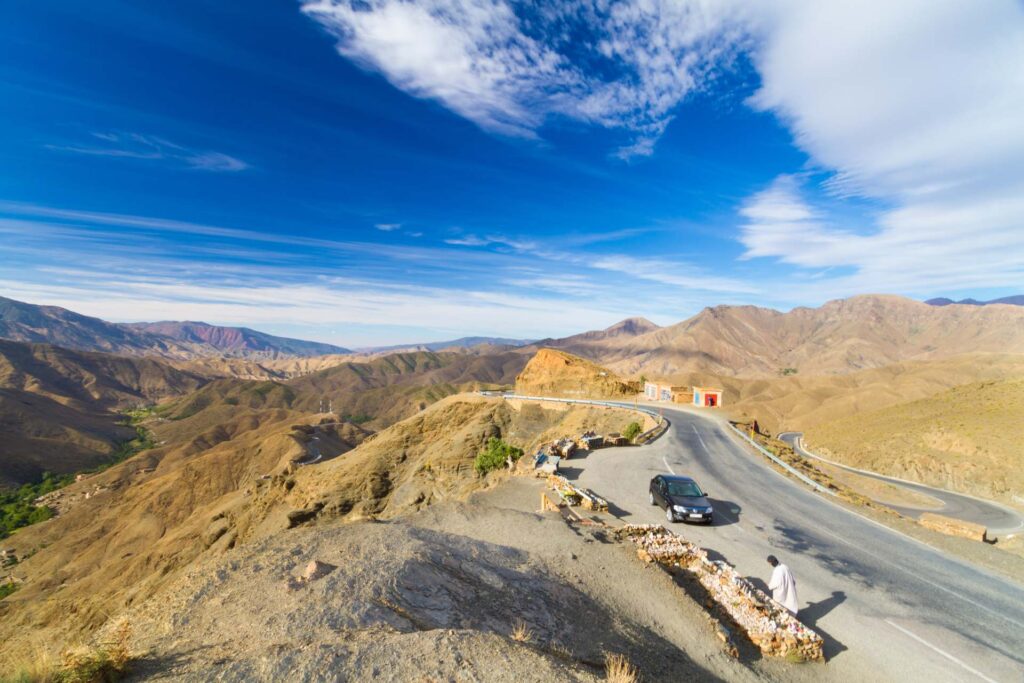
Sahara Desert: extreme days, cold nights, and spring sandstorms
The interior shows the widest swings: summer days can reach 45°C while winter nights fall near freezing. Spring winds can kick up sandstorms that reduce visibility and comfort.
Layer clothing, carry water, and align daily activities with local rhythms for the safest, most enjoyable experience in morocco sahara.
Best time to visit the Sahara Desert
A quick verdict: aim for spring (March–May) or autumn (September–November) if you want mild days, crisp nights, and easier logistics.
Spring (March–May) and autumn (September–November)
Spring brings daytime highs around 25–30°C and nights near 10°C. Expect occasional sandstorms and lively landscapes in bloom. Autumn usually stabilizes with October around 30°C and nights near 15°C, making multi-day circuits more comfortable.
Why shoulder seasons win
Shoulder months balance access and comfort. You avoid summer extremes (40–45°C) and winter’s near-freezing nights. Tours run often in September and October for festivals, while November offers milder air and noticeably fewer crowds.
Plan tip: schedule sunrise and sunset activities for pleasant temperatures and soft light on the dunes. Pick March if you don’t mind wind, choose October for peak availability, or opt for November for a calmer vibe.
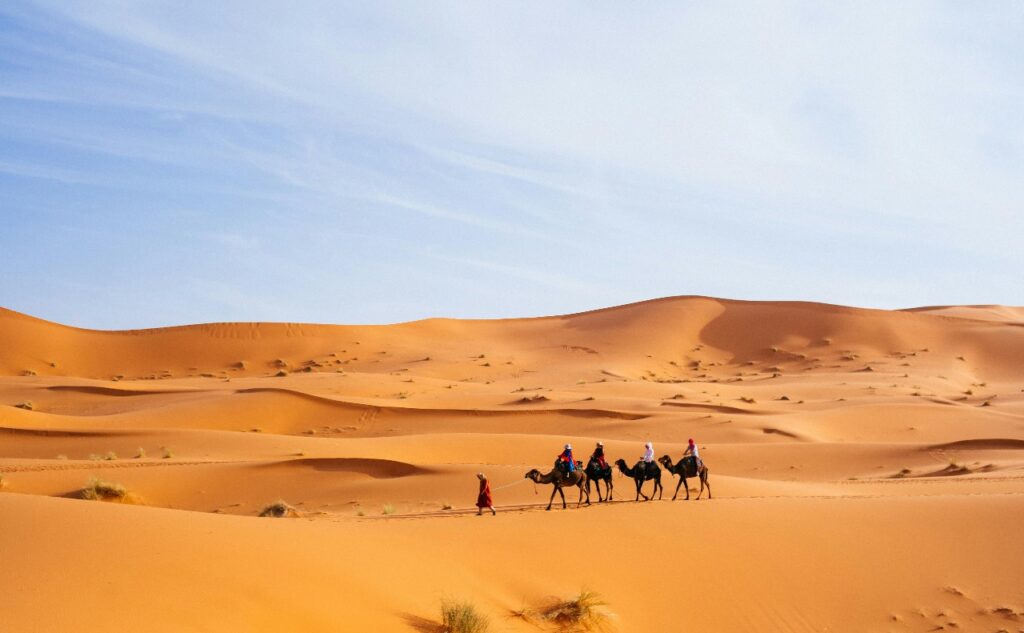
Spring in the Sahara: March to May
Spring offers a welcome season for active travel: days warm to about 25–30°C while nights often drop near 10°C. This window gives you comfortable temperatures for long outings and cool evenings at camp.
Typical temperatures and weather patterns
Expect steady daytime warmth ideal for sunrise and late-afternoon activities. Midday can feel strong, so plan a rest during the hottest part of the day.
March may bring gusty conditions and occasional sand. Pack scarves, masks, and protective eyewear for comfort and safety.
Pros and cons
The landscape blooms in spring, with oases and washes turning photogenic in April. Festival options expand your route: the International Nomads Festival, Gnaoua World Music Festival, and the Festival of Roses add cultural detours beyond the dunes. Watch for sand events in March and cool nights that need a warm layer if you camp.
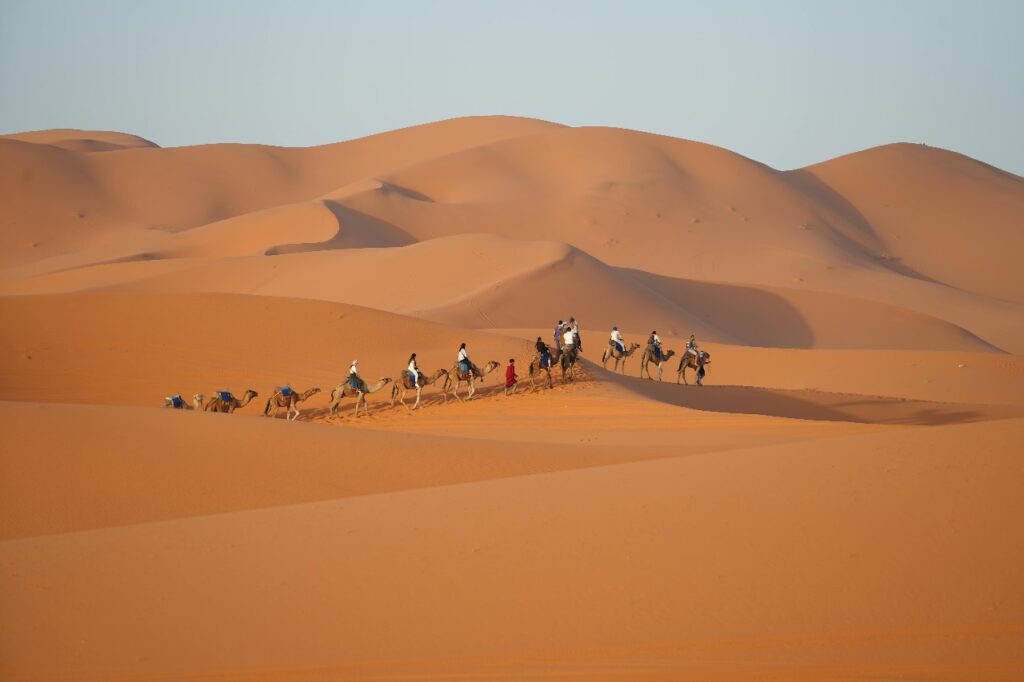
Top spring experiences
Target sunrise camel trekking and quad biking on firmer sand while conditions are mild. Visit the Draa Valley for heritage and local markets.
Start early, rest at midday, and return to dunes for golden-hour light—this rhythm makes for the best desert experience of the year.
Summer in the Sahara: June to August
When June arrives, the landscape shifts: long hot days and warm nights change how you travel and rest. Expect daytime temperatures near 40°C, rising into the mid-40s in July and August, while nights often stay above 30°C.
Heat realities and how you adapt
Shift your schedule: plan strenuous activities at dawn and dusk and build a long, shaded midday rest. Use high SPF, breathable clothing, and electrolytes. Hydration rules are strict—sip steadily even when you feel fine.
When to avoid and when to pivot
If you can, skip long interior crossings during the peak summer months. Instead, choose breezy coastal cities like Essaouira or Tangier or head up into the High Atlas, where temperatures fall into the 20s at altitude.
Practical notes: limit open‑desert driving in the afternoon, rely on local forecasts, and plan sunset for photography and evening stargazing when winds often calm. Decide in June if brief desert time fits your comfort; July–August can be oppressive for most travelers in the morocco sahara desert.
Autumn in the Sahara: September to November
As summer fades, the landscape settles into a steady rhythm ideal for multi-day trips. September cools from high 30s by day, October often sits near 30°C with nights around 15°C, and November drifts toward 25°C days and ~10°C nights.
Stabilizing weather and ideal conditions for multi-day trips
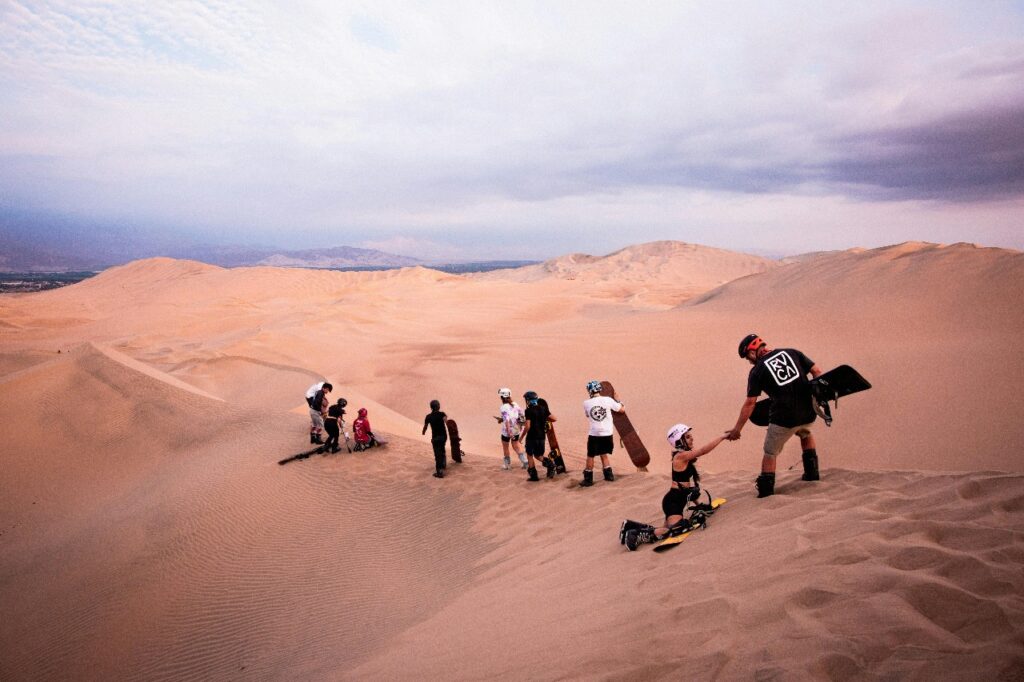
Stable weather makes extended camel treks and overnight dune circuits far more comfortable. You can plan long days on ridgelines, sandboarding, and deeper camp stays without summer heat stress.
Schedule strenuous legs for mornings and evenings, and keep long midday rests. Align transport days with cool mornings and use afternoons for short stops and camp checks.
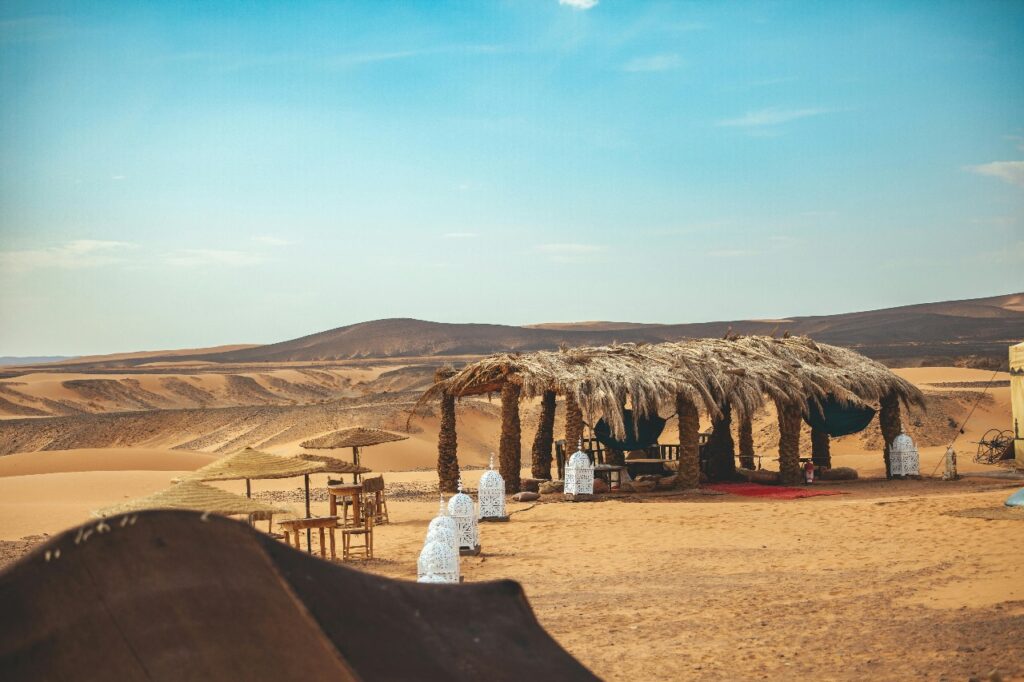
Festival vibes and lighter crowds
Autumn also brings cultural energy—music festivals and regional gatherings in September and October—so you can pair dunes with events in Marrakesh, Tangier, and mountain towns. Popular weekends fill quickly, so confirm bookings early.
Practical tip: pack light layers for cool nights, plan sunrise and sunset activities for the best light, and expect pleasant days that let you enjoy people, places, and dunes without summer extremes.
Winter in the Sahara: December to February
Winter brings short days, crisp air, and nights that demand warm layers. Daytime temperatures usually sit between 10–20°C, while nights often fall near 0–5°C. You’ll notice clear, dry skies and far fewer visitors on the dunes, which makes for peaceful camps and wide-open views.
Day warmth, cold dawns — how to plan
Use midday for longer walks and photography when the temperature is mild. Move strenuous activity into the warmest hours and allow early mornings and late evenings for rest. Check High Atlas passes before you travel; snow can delay routes and add driving time.
Stargazing, packing, and comfort
Clear winter air gives excellent night skies — bring a warm hat and insulated sleeping gear for camp overnights. Pack thermals, gloves, and a windproof jacket. Even in winter you need sun protection: the sun at altitude still feels strong during daytime.
Practical tips
Coordinate with your operator about extra blankets and heating. Plan fireside evenings in riads or camps and use early light on dunes for photos with fewer footprints. With smart layering and route checks, winter can be a calm, rewarding season in the sahara desert.
Month-by-month planning: Sahara Desert weather and events
Use a calendar view to pair likely temperatures with cultural events and city detours for smarter trips. This short guide maps months into practical choices so you can match activities, gear, and festival dates to local conditions.
January–February: mild days, cold nights, fewer crowds
Days run near 18–20°C with nights around 5–7°C. You’ll find quiet dunes and lower prices.
Key events: Yennayer (Jan 12–13) and local ski options in the High Atlas mid‑Jan to mid‑Feb. Plan warm layers for camp nights.
March–April: warming temps, spring sandstorms, blooming flora
Temperatures rise toward 25–32°C and spring wind brings occasional sand. Pack scarves and eye protection.
Festivals include the International Nomads Festival and regional blooms; Ramadan may shift opening hours in some years.
May–June: heating up toward the summer peak
By May you can hit mid‑30s; June can near 40°C. Shift activity to early mornings and seek coastal or mountain breaks.
Festival highlights: Gnaoua, Festival of Roses, plus Fes and Mawazine in early summer.
July–August: extreme heat—consider coast or Atlas alternatives
Highs often reach 45°C with warm nights. Avoid long interior crossings and move plans to Essaouira, Tangier, or the High Atlas.
Summer music events run in cities; use them as cool, cultural day trips.
September–October: prime time for tours and festivals
Days cool to roughly 30–38°C with pleasant nights. This is the peak window for multi‑day trips and comfortable trekking.
Expect music festivals and local fairs—use september november dates when booking to lock in people‑friendly schedules.
November–December: cool, calm, and photogenic light
Days drop to about 20–25°C and nights to 5–10°C. Low crowds and steady conditions make this a good month for long photo shoots and deeper treks.
Link city detours and festival dates into your plan. Use this guide as a month-by-month checklist to confirm conditions, temperatures, and events before you visit morocco.
Weather, crowds, and prices: timing your trip for value
When you pick dates, you balance weather, crowds, and cost. That choice shapes daily rhythms, activity options, and how much gear you need.
Shoulder-season sweet spots
Spring and autumn deliver moderate temperatures, lighter crowds, and better rates. Tours run often and camps fill less quickly, so you get more flexibility without a big price premium.
Summer and winter trade-offs
June–August is low season in many interior areas. You may find lower prices, but midday heat limits activity and some operators cut services.
Winter can offer quiet camps and attractive rates, yet you must bring warm gear and accept route changes if mountain passes close.
Festivals, holidays, and booking tips
Music events and school breaks push demand in popular October weeks. Book early for those windows and use flexible cancellation policies to handle changing forecasts.
Decide if your goal is fewer crowds or a specific event. Mapping daily temperature expectations helps you choose a midday rest model and balance savings against comfort.
What to pack by season for the Sahara
A compact, flexible kit keeps you comfortable through bright days and chilly camp evenings. Pack items that work across varied conditions so you can adapt as weather shifts during your trip.
Spring and autumn essentials
Layering is key: light base layers, a warm midlayer, and a windproof shell. Bring a scarf or buff and compact goggles for sand blown by spring winds.
Protective eyewear with side coverage and strong sunglasses help with glare on dunes. Add lip balm, moisturizer, and a small first-aid kit.
Summer survival kit
Prioritize high-SPF sunscreen, a wide-brim hat, and breathable long sleeves with UPF. Carry electrolyte packets and a refillable water bottle.
Lightweight fabrics reduce sweat and keep you covered from harsh sun and reflective sand. Keep essential supplies in a daypack for quick access.
Winter warmth
Bring thermals, a down or synthetic midlayer, and a windproof outer layer for cold nights. Use an insulated sleeping bag when camping and pack a beanie and gloves.
Year-round items: sturdy closed-toe shoes with traction, camp sandals, a headlamp, and compact blister care. These choices keep you ready for shifting temperatures and long nights.
Health and safety in desert conditions
Desert conditions can change fast, so simple precautions make a big difference. Before you set out, check local forecasts and confirm vehicle and guide logistics for remote routes. A clear plan reduces risk and keeps your trip flexible.
Hydration, heat management, and sun exposure
Hydrate on a schedule: sip water every 15–30 minutes and use electrolyte mixes when temperatures exceed 40–45°C. Avoid heavy exertion at midday and schedule long rests in shade.
Sun protection matters: wear UPF clothing, a wide-brim hat, and SPF 50+ sunscreen. UV sunglasses and breathable face cover keep sun and wind off your skin.
Sandstorms: face coverings and eye care
Spring brings higher risk of sand events. Pack snug goggles and a breathable scarf or mask to keep grit out of your eyes and airways.
Monitor wind forecasts and postpone exposed ridge walks during high gusts. If a storm starts, shelter quickly, protect your face, and wait for clearer conditions.
Cold nights and general safety
Winter nights can near freezing; layer clothing and stay dry to prevent hypothermia. Brief your group on signs of heat exhaustion, dehydration, and cold stress, and set conservative turnaround times.
When in doubt, travel with a certified guide for remote tracks and soft-sand zones. A guide improves navigation, safety, and your ability to adapt to changing conditions.
Top seasonal activities and where to base yourself
Plan activities around light and temperature so each day feels rewarding, not rushed. Pick bases and daily schedules that match seasonal limits and your pace.
Camel trekking, desert camps, and sunrise/sunset dunes
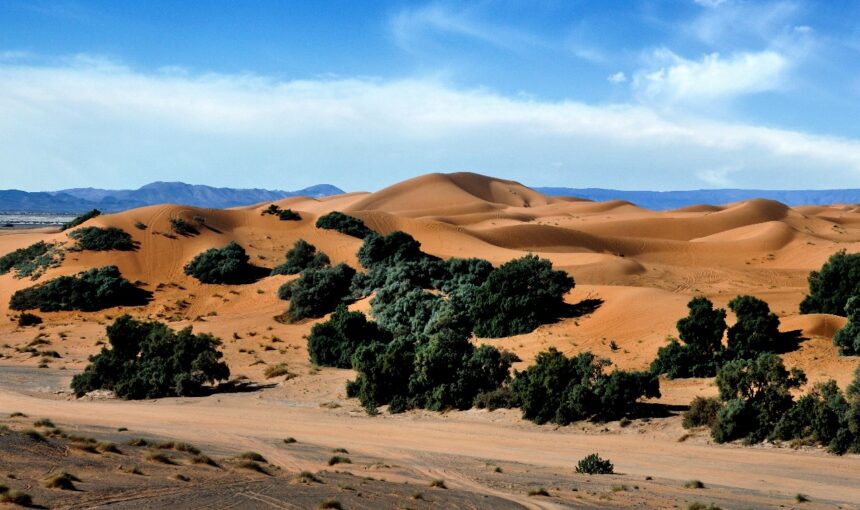
Spring and autumn are ideal for multi‑day camel treks and overnight camps. You can ride into Erg Chebbi from Merzouga for long circuits and golden‑hour dunes.
In summer, limit outings to dawn and dusk. Winter gives quiet dunes and clear night skies—perfect for stargazing at camp.
Linking the Sahara with the High Atlas and coastal cities
Combine a morocco sahara segment with the Atlas Mountains for cooler hikes and with Essaouira or Tangier for breezy breaks. Use M’hamid or Zagora as gateways to Erg Chigaga when you want less crowded terrain.
Match activities—sandboarding, guided walks, or 4×4 transfers—to the season, build rest buffers between long drives, and learn local customs from people at camp. This approach makes each trip safer, richer, and more enjoyable.
Routes and accessibility from Moroccan cities
Getting from Marrakech to deep dunes means choosing between comfort, speed, or wilderness. Your plan should match how much driving you accept and which landscapes you want to cross—the Atlas, gorges, or palm-filled valleys.
From Marrakech via the High Atlas to Erg Chebbi and Erg Chigaga
Classic routes run over the High Atlas into the Dades and Todra canyons on the way to Erg Chebbi (Merzouga). This can be a long full day or a relaxed two-day transit with stops at kasbahs and oases.
For Erg Chigaga, head south via Ouarzazate and the Draa Valley toward Zagora and M’hamid. The last stretches include off-road sections and softer sand; travel time varies with vehicle and season.
Guided tours, private transfers, and self-drive considerations
A guided trip simplifies mountain pass conditions and remote tracks, especially in winter or after rain. Guides handle permits, local contacts, and timing to reach camps before dusk.
Private transfers give door-to-door convenience and let you add detours to kasbahs or gorges. Self-drive offers freedom but needs careful planning: watch for snow in passes, carry extra water, fuel, reliable navigation, and emergency contacts.
Plan departures from Marrakech or Fes to form efficient loops, check road conditions before you go, and keep time buffers so you arrive at camps with daylight left.
Myths vs. reality: Sahara weather misconceptions
You might expect nonstop heat, yet nights can turn sharply cold and winds can shift plans fast. This section clears up common myths so you can pack and schedule with confidence.
It’s not always hot, and sandstorms aren’t rare
Winter nights can drop near freezing in parts of the sahara desert, so bring warm layers if you camp. Daytime warmth can be mild, but nights demand an insulated sleeping bag and a hat.
Spring often brings gusts that kick up dust and sand. Pack snug goggles, a breathable face covering, and plan flexible activities when forecasts show high winds.
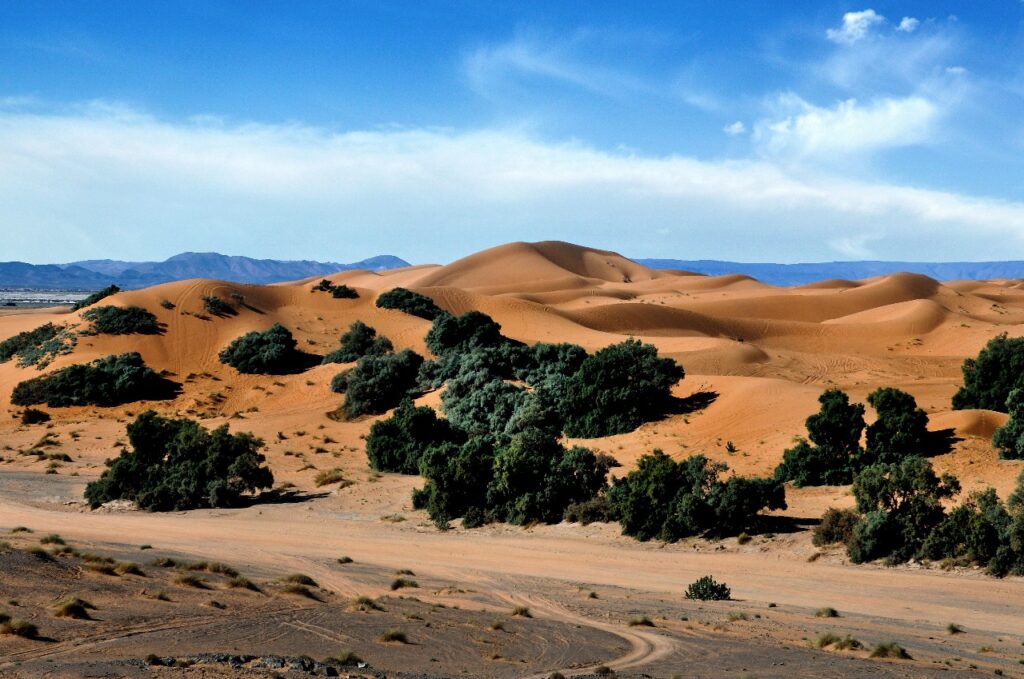
The landscape is varied: rocky hamada, gravel regs, salt flats, and green oases all affect local weather and shelter. These zones create microclimates that change how heat and wind feel from one place to the next.
Life endures here. Sparse rains support hardy plants and nocturnal animals like the fennec fox. Local people adapt routines—midday rests and protective clothing—that you should respect and learn from.
Practical takeaway: build extra buffer in your schedule for wind or low visibility, choose gear for both cold and heat, and trust local advice when conditions shift.
Where to stay: luxury desert camps vs. classic Berber camps
Your sleeping place shapes more of the trip than you might expect—comfort, meals, and evening routines all change with camp style. Choose a camp that suits your pace and budget so your evenings and mornings feel planned, not rushed.
Comfort levels and amenities
Luxury tents offer private en‑suite bathrooms, elevated dining, and refined meals. They add heated options and thicker bedding for cold nights.
Classic Berber camps prioritize communal space, shared facilities, and a simple rhythm. You trade some creature comforts for authenticity and social evenings around a fire.
Night-sky experiences and daily routines
Both camp types highlight the night sky. Winter and shoulder seasons bring especially clear nights for stargazing.
Most camps schedule guided walks on dunes at sunrise and sunset. Plan your day so you arrive before dark and catch the golden hour on your arrival night.
Practical checks before you book
Confirm what’s included—meals, transfers, guided activities, and bedding upgrades—so you avoid surprises. Ask about check‑in/out timing so you can join sunset on arrival and a sunrise walk before departure.
Weigh amenity value against authenticity and pick the place that fits your desired travel experience when you visit sahara desert.
Climate change and shifting desert conditions
Longer heat waves and new wind patterns are changing how you travel across dunes and gravel. Warming trends can deepen heat spikes, alter winds, and reshape dune profiles faster than before. That affects driving tracks, footpaths, and camp sites.
Access, dune dynamics, and why flexibility matters
Expect routes to change. Stronger winds move sand more often, closing familiar tracks and making some slopes harder to climb. Occasional heavy rains can wash out tracks and make some areas impassable for days. Plan extra days and alternate routes so you are not on a fixed schedule.
Monitor multi-day forecasts and adjust activity timing when temperatures spike or wind advisories appear. Check conditions before long drives and at each camp.
Consider modular plans that let you swap nights between coast, Atlas, and inland areas. That gives you easy pivots if summer heat or winter storms change your route.
Pack layers that handle wider ranges than past averages suggested. Work with local operators who track route conditions and can reroute safely.
Practical checklist: build buffers, confirm alternate transfers, and schedule key experiences early so you can reattempt sunrise or stargazing if the first night is windy or cloudy.
Conclusion
Choose a season that favors long golden hours and calm nights to make every camp and dune moment count. Spring and autumn give the most balanced conditions: warm days, cool evenings, and easier logistics. Use this guide to pick the best time visit that matches festivals, stargazing, or quieter dunes.
Link your route through the High Atlas if you want mixed landscapes and milder temperatures. Pack for wide daily swings, plan drives so you arrive at camp before sunset, and keep your schedule flexible with live forecasts. When you finalize dates, aim for comfort and safety. With these choices you’ll confidently visit morocco and make your visit sahara desert trip memorable.