
Getting around Morocco can feel simple and exciting at once. This guide shows practical choices for how to get around Morocco, from high-speed Al Boraq trains to desert-ready cars and short domestic flights. You’ll learn which options suit big-city hops and which work for rural detours. Trains link Tangier, Casablanca, Rabat and Marrakesh, while CTM and Supratours fill gaps by bus. Grand taxis, petit taxis, and trams in Casablanca and Rabat move you inside cities.
Best way depends on time and taste. Fly with Royal Air Maroc or Air Arabia to reach distant southern towns fast. When you want ease, hire a local driver or a trusted travel agency. Carry small bills, buy key tickets early, and leave extra time at busy stations. This short primer helps you pick the right mix of rails, roads, and skies.
How to get around Morocco
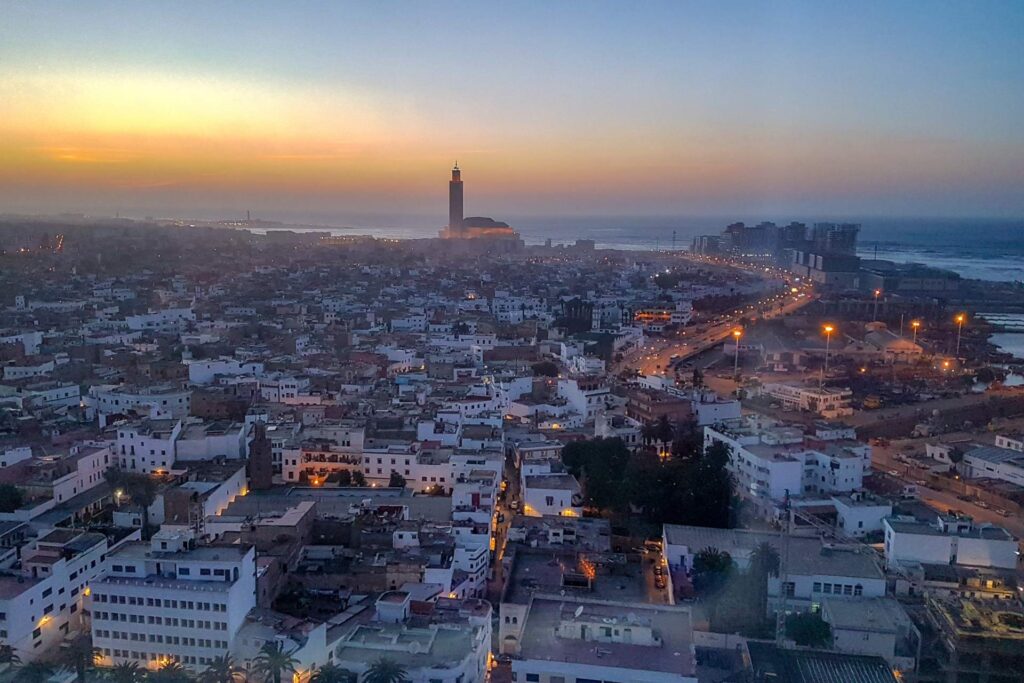
Map your core route first. Use trains to link the major cities, Tangier‑Casablanca‑Rabat‑Marrakesh or Tangier‑Fes‑Meknes‑Oujda, then add buses for secondary towns and a car or driver for valleys and desert gateways.
Choose the right core route
Sketch a day-by-day plan along the rail spine, and mark where no rail exists (the deep south). Supratours connects with ONCF trains and CTM fills many gaps beyond rail lines.
Plan by time versus price
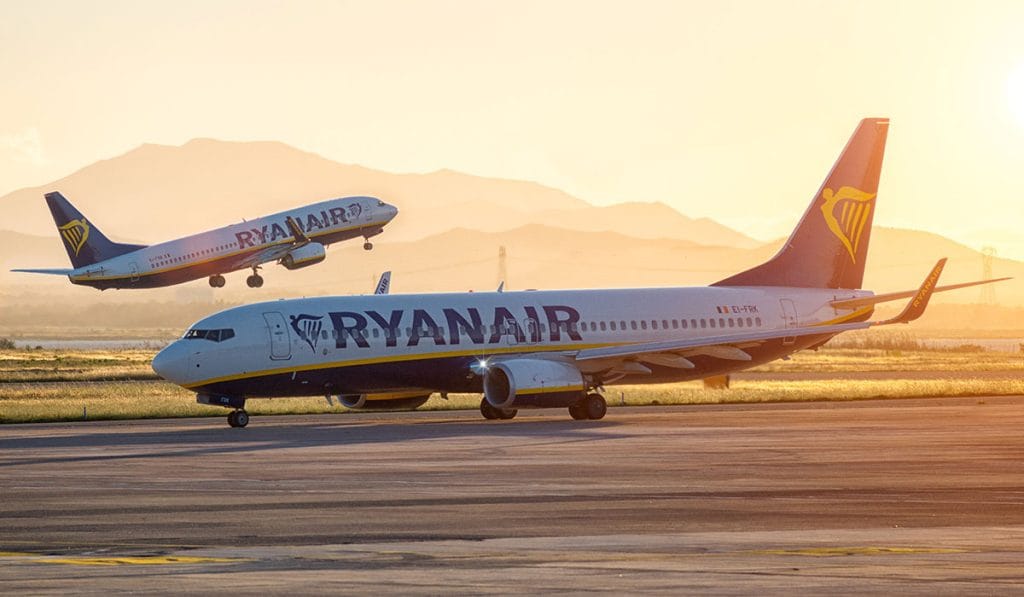
Weigh time against price on each leg. Fly with Royal Air Maroc or Rayan air when a road day becomes a marathon. Use grand taxis for direct fixed routes; you can pay for extra seats to leave sooner.
Book smart
Reserve trains and popular bus routes in advance, especially on weekends and holidays. If online booking fails for non‑local cards, buy at stations or use trusted third‑party issuers like Marrakech Tickets.
Mix certainty and freedom: lock long segments, keep short hops flexible, and have a plan B, a shared grand taxi often beats a long delay with only a small change in price.
Trains and trams
For fast and stress-free city-to-city travel, Morocco’s ONCF services lead the way. The rail network runs two main corridors: Tangier–Kenitra–Rabat–Casablanca–Marrakesh and
Use ONCF for smooth rides between coastal and imperial cities. Al Boraq offers the fastest times on the northern corridor and reliable frequency for day hops.
Note: there is no rail link to the deep south or many desert gateways. Plan a bus or car handoff for Sahara and Atlas access.
Tickets and seats
Choose first class for more space and quieter cars, especially with bulky bags. Pick second class if you want to save money and don’t mind fuller carriages.
Seats sell out on weekends and holidays. Buy tickets early online or at station counters if your card won’t process. Reservations lock seats together and reduce stress.
Station know-how
Luggage fits in overhead racks or at carriage ends; space is limited, so board early to claim a spot. Toilets exist but can be basic, pack tissues and hand sanitizer.
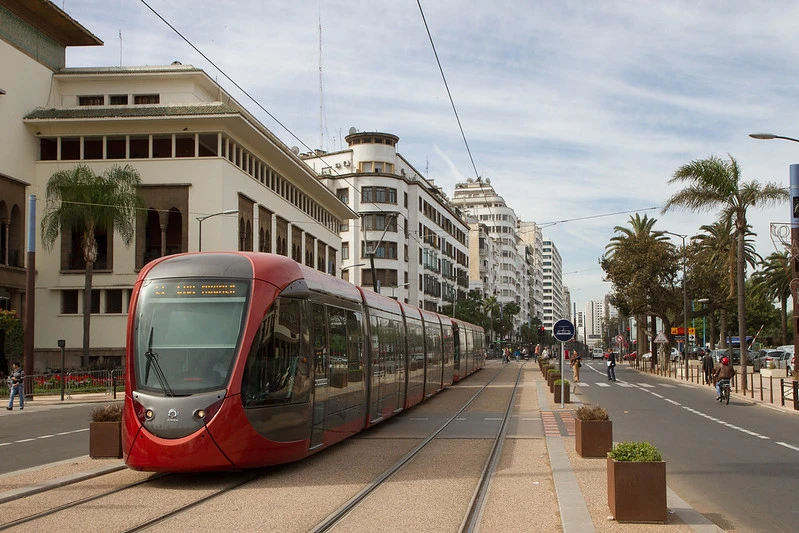
Stations vary by size and services. Arrive 20–30 minutes early to find your platform. In Casablanca and Rabat, step onto the tram outside the station after buying a ticket at the kiosk and validating it onboard.
Buses in Morocco
For many routes beyond the train lines, a scheduled coach is the most practical choice. CTM and Supratours offer the steadiest service for long legs. CTM usually runs from its own offices, while Supratours times departures to meet trains and can sell through‑tickets.
When coaches beat taxis
Choose CTM or Supratours when you want numbered seats and a predictable schedule. On popular corridors, “luxe” coaches add Wi‑Fi and extra legroom for a small price bump.
Private companies such as SATAS or Trans Ghazala serve many routes but vary in comfort. Smaller market buses leave when full and can be less safe on rough roads.
Stations, tickets, and timing
Many departures start from company offices rather than the main bus station. Check your exact departure point the day before so you don’t lose time.
Buy tickets at company windows if online payments fail, or use third‑party sellers like Marrakech Tickets to email confirmations. Boards at some terminals show hours in Arabic and can be out of date.
Practical tips: arrive early for morning departures, keep small change for baggage handlers (5–10 DH), label bags, and avoid night rides on winding routes if safety matters to you. A little planning makes coach travel comfortable and dependable for most passengers.
Taxis explained
From color-coded city cabs to shared intercity vehicles, taxis are a core part of local travel. Know the basics and you’ll save time and avoid hassles.
Petit taxi essentials
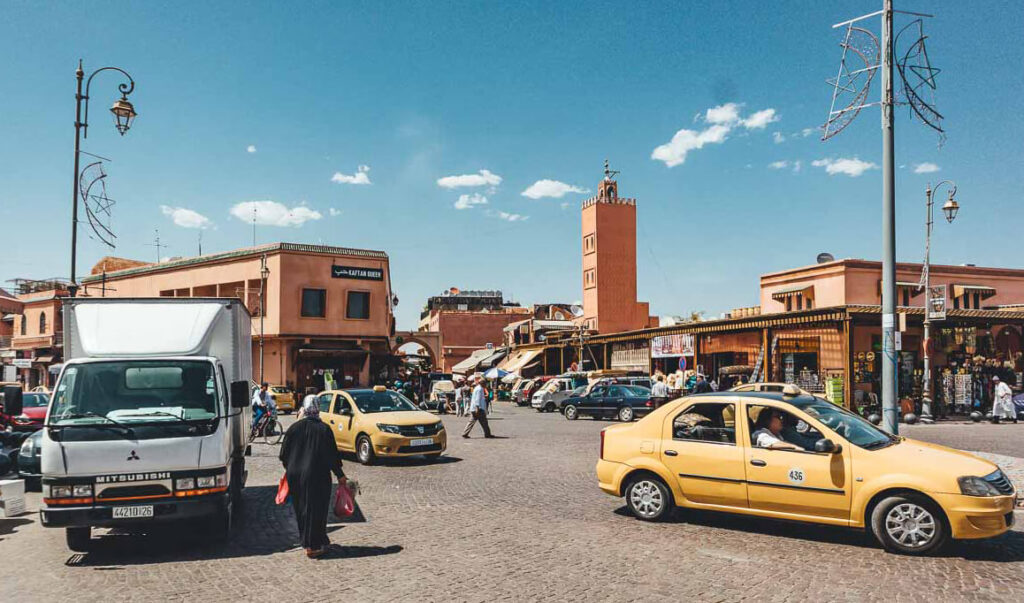
Petit taxis are metered and usually cash-only. Ask the driver to use the meter; if it’s “broken,” step out and take the next cab to avoid disputes.
Colors help you spot the right cab: beige in Marrakesh, red in Casablanca, blue in Rabat and Tangier. In Casablanca, Rabat, and Tangier you can also try Careem for app pickups and clear pricing.
Grand taxis and shared routes
Grand taxis run fixed routes and often leave when full. Older Mercedes are common, though vans are appearing. Trips can be around Dh50 on some corridors.
You may pay for an extra seat or the whole vehicle to speed departure and gain space. Expect limited trunk room; soft bags are easier to stow than rigid suitcases.
Safety and comfort
Avoid late-night rides on winding roads when possible. Drivers work long hours and may overtake after dark. Keep valuables with you and confirm the price with fellow passengers if no rate is posted.
Driving yourself vs hiring a local driver
Decide early whether you want freedom at the wheel or the calm of a local guide. Each choice affects costs, pace, and how many stops you can make on a given day.
Rental essentials
Rentals run about 500 DH per day (~£40–55) with many offering unlimited mileage. Major companies include Hertz, Budget, Avis, and Europcar at airports and major cities.
Record existing damage with photos. Carry your license, passport and an International Driving Permit (French recommended). Buy comprehensive insurance and confirm off‑road exclusions.
Road realities and safety
Follow speed limits: 40 km/h in towns, 100 on regular roads, 120 on motorways. Police may issue on‑the‑spot fines.
City driving is assertive and parking is scarce. Mountain passes have tight hairpins; avoid driving after dark where livestock and unlit vehicles can appear.
When to hire drivers or bring your own wheels
Licensed private drivers and agencies offer comfort, local knowledge and insured vehicles if you prefer to relax. If you ride by ferry from Spain with your motorcycle or car, bring a green card, ownership papers and the vehicle data sheet.
Rent a car for freedom in the Atlas Mountains and rural lanes. Or hire a local driver to enjoy the view and leave navigation to someone who knows the best place to stop.
when flying saves serious time
When long road legs threaten to eat a day, a short domestic flight can rescue your itinerary. Domestic air service cuts cross‑country travel from many hours to a single hop.
Airlines and common routes
Look first at air maroc and Air Arabia for scheduled links. Many itineraries route via Casablanca, so expect a change there when direct links between smaller cities don’t exist.
When to choose a flight
Fly for distant destinations like Laayoune (about 1h45 from Casablanca) or Dakhla (about 2h20). Door‑to‑door savings matter—factor transfer time, check‑in and baggage when you judge total time.
Practical tips: book early on Sahara routes, watch for cancellations if loads are low, and compare fares on aggregators. Keep a same‑day bus or grand taxi option if flights shift. Check the airline or travel company luggage rules—sports gear or extra bags change the price calculus.
Getting around Morocco in special areas
Some places demand 4WD, others ask for a local guide—plan by terrain, not distance. Mountain passes feature tight hairpins and poor light. Drive those legs in daylight and leave time for slow sections.
Best options for mountain and desert trips
Use a 4WD or high‑clearance vehicle on gravel connectors and near sand tracks. Fuel up in small towns; pumps are sparse on remote routes.
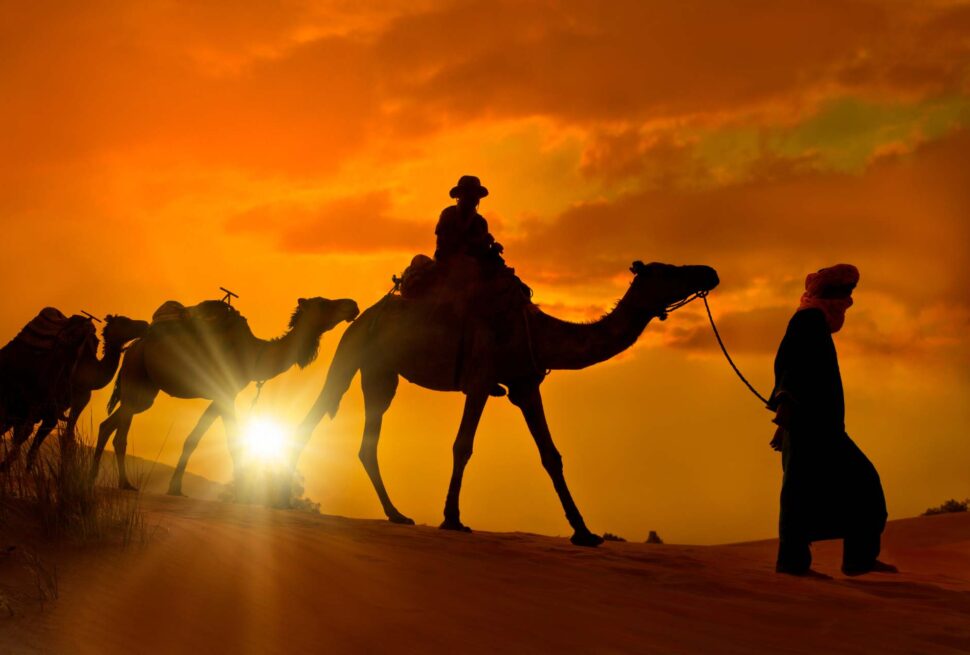
For desert stretches such as Erg Chebbi (Merzouga) or approaches to Erg Chigaga, a private driver or guided tour eases navigation of pistes and camp logistics. Guides know where to park, how deep the sand is, and which tracks to trust.
Accessibility tips
Rural routes have fewer departures and basic facilities. Grand taxis often leave sooner than market buses and can link villages to towns reliably.
If accessibility matters, contact specialist operators like Morocco Accessible Travel. They can arrange adapted vehicles, ground‑level rooms and door‑to‑door help in historic riads.
Packing and timing: bring layers and extra water. Weather swings from hot days to cool nights at elevation. Download offline maps and keep a paper backup so you can reroute when a market day or washout blocks your first choice of road.
practical tips before you go
A little prep goes a long way. Buy key tickets in advance for weekends and holidays, especially first‑class trains and CTM or Supratours routes that sell out. If a payment fails online, purchase at the station a day early or use a trusted third‑party like Marrakech Tickets to receive e‑tickets by email.
Bring small bills. Baggage handlers often ask for 5–10 DH per item. Keep cash split between a money belt and a wallet, and use ATMs at reputable banks near stations to avoid long lines or poor exchange rates.
Balance comfort and price by upgrading only on long legs. First‑class seats and “luxe” coaches add space and air conditioning for a modest fee. Check baggage policies—the added cost can change your final price.
Carry your travel insurance details and confirm that any private company or driver you book is licensed and insured. Licensed transport must carry passenger insurance and safety kits, but your policy covers cancellations and medical issues.
Ask your hotel to confirm departure points when buses leave from a company office instead of the central station. Choose earlier departure times to reduce delay risk and avoid night rides on busy corridors for safer connections and smoother times.
Conclusion
Smart timing and simple backups keep your trip smooth no matter the route. Use trains and trams for fast hops between major cities, pick buses where rails end, and rely on taxis or grand taxis for short links. Fly with Air Maroc when a long road day eats your time.
Plan days that finish in daylight, book key legs early, and hire a local driver in the Atlas Mountains or desert for safety and local tips. Rent a car when you want freedom, but carry small notes for fares, and ask your hotel to confirm any off-site bus station or company office. With clear choices, you’ll travel smart, meet welcoming people, and reach the right places on time.
FAQ
What’s the best way to plan a first trip and choose a core route?
Start with the time you have and the places you must see. Use trains (ONCF, Al Boraq) for Casablanca–Rabat–Marrakech links, buses (CTM, Supratours) for smaller towns, and grand taxis or a hired driver for remote spots like the Atlas Mountains and Sahara. Prioritize one or two regions to avoid long transfers. Book key train or bus tickets and any internal flights (Royal Air Maroc, Air Arabia) in advance if you travel during peak season.
When should I choose flights instead of ground transport?
Fly for long legs or island-like distances — for example to Laayoune or Dakhla, or if your schedule is tight. Domestic airlines like Royal Air Maroc and Air Arabia link many cities through Casablanca. Flights save time but cost more than trains or CTM buses; check baggage rules and cancellation policies before booking.
How do I buy ONCF train tickets and what’s the difference between classes?
Buy ONCF and Al Boraq tickets online at the official site or at stations. First class is roomier with reserved seats and quieter coaches; second class is budget-friendly and still comfortable for most journeys. Reserve ahead for popular routes and holiday dates to secure seats.
What should I know about buses like CTM and Supratours?
CTM and Supratours offer reliable, scheduled services to towns not served by trains. They include luggage hold and sometimes onboard toilets. Buy tickets at the gare routière, via official websites, or at travel agencies. Night buses run on many routes, but day journeys are often more comfortable and safer for sight-seeing.
How do petit taxis and grand taxis differ, and how do I use them?
Petit taxis handle short city trips and usually use a meter (except in some cities where drivers negotiate). They’re color-coded by city. Grand taxis are shared cabs for intercity travel with fixed routes and multiple passengers; you can hire a whole grand taxi for more space or split the fare. Carry cash and agree a price for private hires upfront.
Are ride-hailing apps available in Moroccan cities?
Yes — apps like Careem and local alternatives operate in major centers, offering card or cash payments. They provide convenience in Casablanca, Rabat, and Marrakech, especially at night or when petit taxis are scarce. Always double-check the driver and vehicle details before you get in.
Should I rent a car or hire a local driver for my trip?
Rent a car if you’re confident driving on varied roads and want flexibility in the Atlas or coastal routes. Use respected companies, confirm insurance and cross-border rules, and carry an international driving permit. Hire a local driver or book a tour if you prefer local knowledge, avoid navigation stress, or plan rugged routes like mountain passes or desert tracks.
What are the main road and safety realities for self-driving?
Expect busy city traffic, narrow medina streets, and winding mountain passes. Observe posted speed limits and avoid driving after dark in rural areas. Check vehicle insurance for mountain or off-road coverage. Keep a copy of travel insurance and emergency contacts handy.
How do I plan travel in the Atlas Mountains and Sahara?
For mountain passes and desert tracks, choose 4WD vehicles and local-guided tours for safety and best routes. Time drives to avoid winter snow in high passes and extreme heat in summer deserts. Book specialist companies for multi-day treks, camel treks, or camping to ensure gear and reliable guides.
What practical ticketing and timing tips should I follow?
Buy popular ONCF and CTM tickets in advance online during holidays. Arrive at stations early for baggage checks. For buses and trains, morning departures reduce delay risks. Keep photocopies of reservations and carry small change for local transport and tipping.
How much should I budget for taxis, buses, and trains?
Prices vary by distance and class. Petit taxis are inexpensive for short city hops. Grand taxis and private hires cost more per trip but split among passengers. CTM and ONCF offer competitive fares; first class adds a premium. Factor in baggage fees, tips, and occasional parking or drop-off charges.
Do I need travel insurance and what should it cover?
Yes. Choose a policy covering medical care, trip cancellation, vehicle insurance excess, and emergency evacuation for mountain or desert activities. Confirm coverage limits for adventure activities and for hiring vehicles or motorcycles.
Can I bring a motorcycle or use ferries from Europe?
You can bring your own motorcycle, but you’ll need proper documentation, temporary import permits, and insurance valid in Morocco. Ferries from Spain and other ports run regular services; check schedules and vehicle booking requirements with operators in advance.
What luggage and station tips should I know for trains and trams?
Stations in Casablanca and Rabat connect to trams; keep small valuables with you and secure larger bags in luggage bays. Trams are convenient for short urban hops. Allow extra time for transfers and use official lockers where available.
How do I avoid common scams and stay safe with drivers and at stations?
Use official ticket counters or reputable apps, agree fares up front for private hires, and avoid unsolicited helpers in stations. Keep copies of ID, avoid carrying all cash in one place, and ask your hotel or a trusted agency for recommended drivers or companies.
Where can I find reputable travel agencies and private driver services?
Look for agencies with verified reviews and local accreditation, or ask trusted riads and hotels for recommendations. Reputable operators provide clear itineraries, insurance details, and vehicle standards for tours in the Atlas, Sahara, and rural routes.