Morocco is a safe country to travel to for the vast majority of international visitors, provided they approach the experience with awareness and respect for local norms. In recent years, the Kingdom has seen an exponential rise in foreign visitor numbers, cementing tourism as a core pillar of its economy. This reliance on the travel industry has driven significant investment in security and infrastructure, creating an environment where tourists are both welcomed and protected. Travelers consistently report relatively low crime rates when compared to many major European and North American cities. However, the success and ease of your journey ultimately depend on your diligence in adhering to local laws, being culturally sensitive, and observing the unique cultural customs of this North African nation.
While Morocco is generally stable, prospective visitors should acknowledge the need for increased caution in certain situations. The US State Department, for instance, maintains a Level 2 advisory for Morocco, indicating the need to “Exercise Increased Caution.” The main common threats for tourists are not violent crimes, but rather opportunistic activities carried out by scam artists and pickpockets operating in crowded areas. These issues are generally manageable with simple preventative measures. To ensure a smooth and enjoyable experience, we will cover critical topics ranging from safety in major tourist cities like Marrakech and Fes, specific advice for solo female travelers, necessary caution for LGBTQIA+ travelers, and essential practical health tips. You should always consult the most current travel advisory from a reputable source, such as the US State Department’s website, before finalising your plans.
Safety in Morocco’s Tourist Hotspots
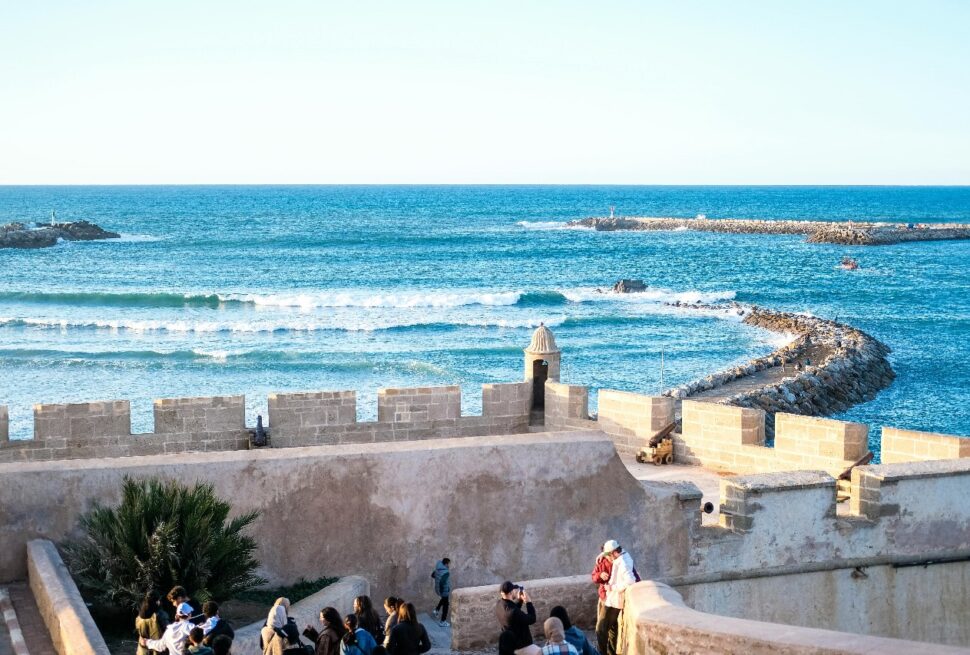
Tourist hotspots like Marrakech, Fes, and Essaouira are generally considered safer than more remote regions, such as isolated areas of the Atlas Mountains, due to the dense concentration of tourism infrastructure and enhanced police presence. However, these popular destinations present unique challenges related to crowding and high visitor traffic, primarily centered on opportunistic theft rather than violent crime.
Marrakech
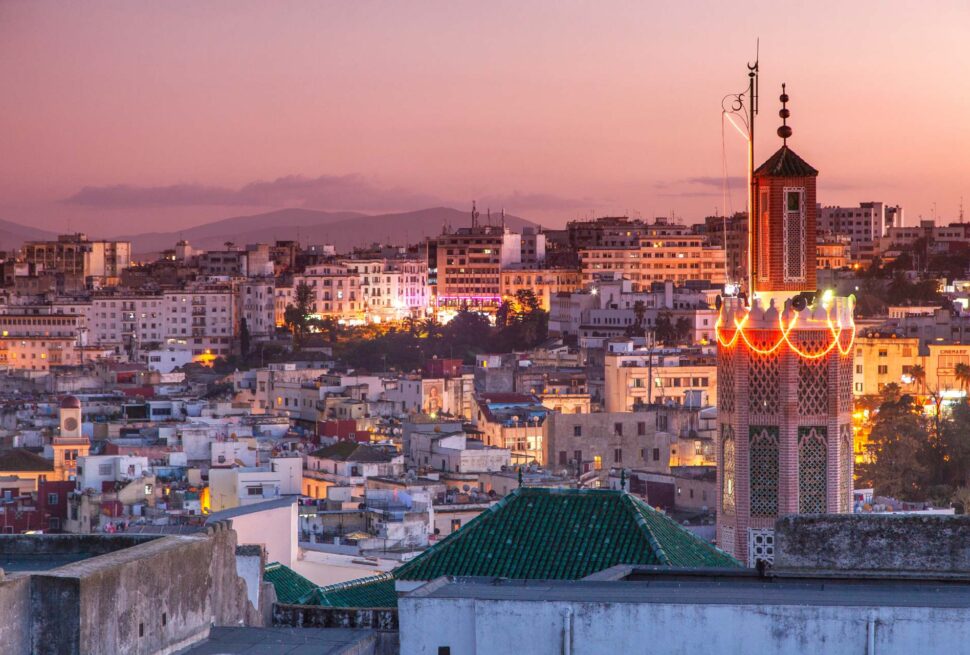
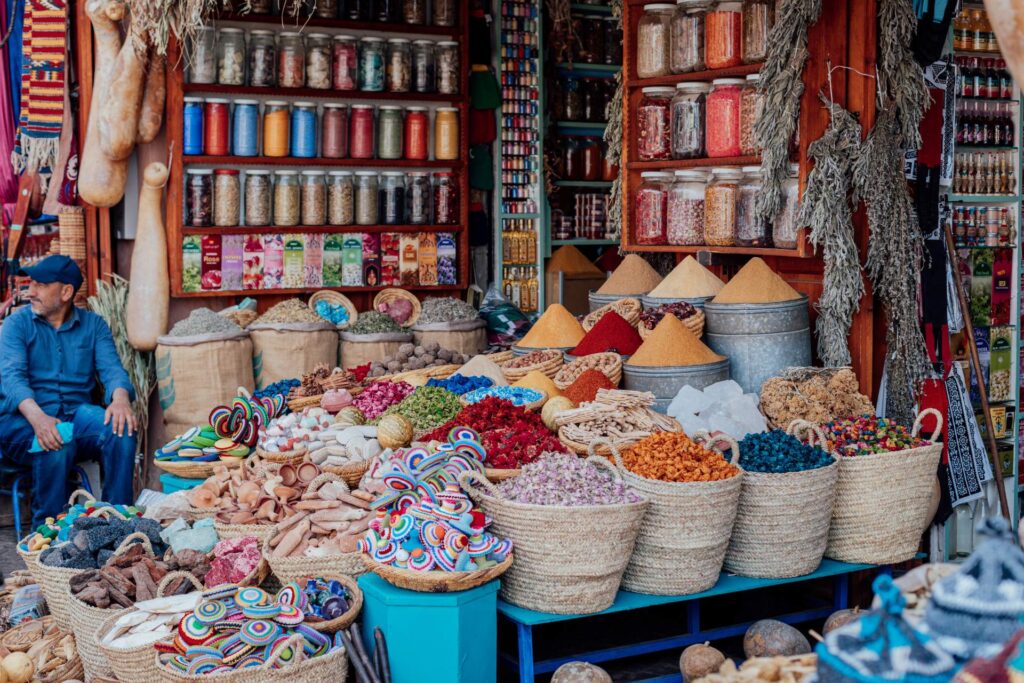
In Marrakech, you will require the highest vigilance around the central square, Djemaa El Fna, and within the labyrinthine Medina. These high-traffic areas are where petty crime is most prevalent, and travelers should be particularly wary of pickpockets and individuals attempting to steer you toward specific shops or services. Maintaining a confident demeanor can help deter unwanted attention.
Fes
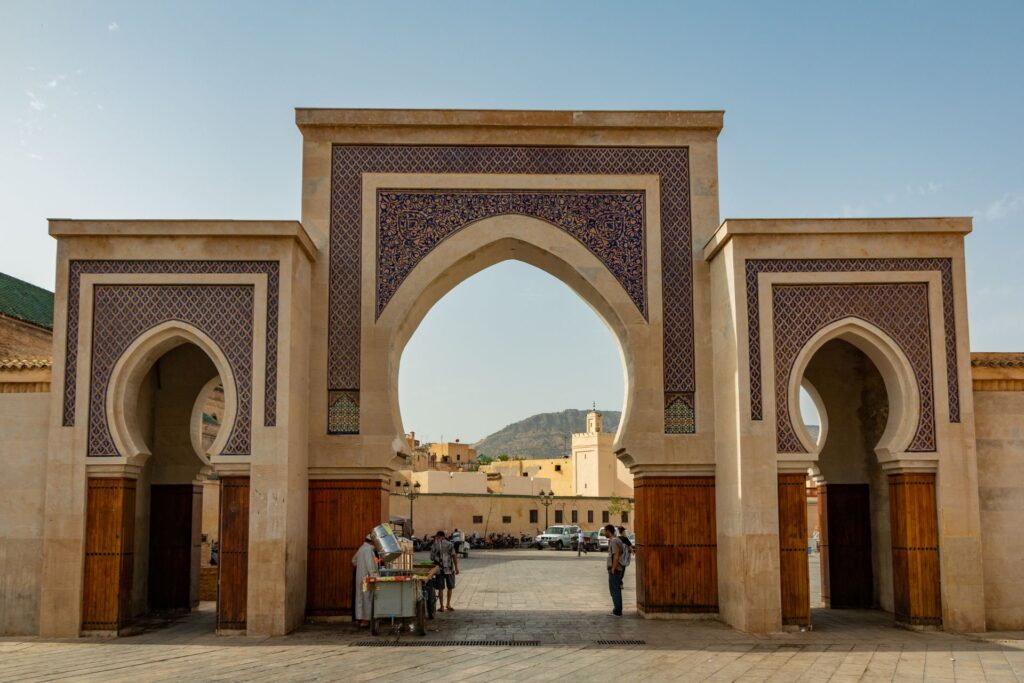
The ancient Medina of Fes presents similar challenges due to its extremely narrow, confusing alleyways that can isolate tourists. The majority of reported incidents here relate to petty crime and the proliferation of unlicensed guides. To enhance security and simplify navigation of this vast, complex area, booking a guided itinerary through established operators offering Fes tours is highly recommended.
Essaouira
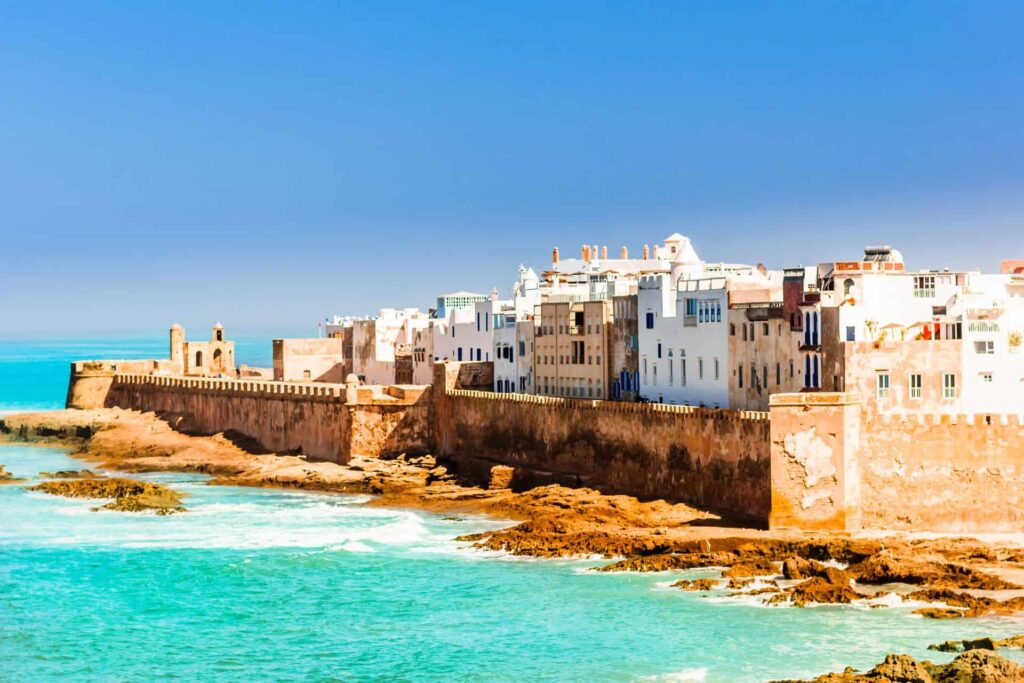
By contrast, the Atlantic coastal city of Essaouira is known for its more relaxed, bohemian atmosphere. Though basic vigilance is still necessary, this city generally presents fewer concerns for opportunistic theft and aggressive scamming than its imperial city counterparts, offering a distinctly calmer experience.
General Practical Safety Advice
The majority of reported incidents in the busy souqs and medinas are related to petty crime and pickpocketing. To mitigate this risk, adopt sensible habits:
- Carry only small amounts of cash needed for the day.
- Avoid wearing expensive jewelry or watches that draw unnecessary attention.
- Keep your money, phones, and valuables out of easy-to-reach pockets.
- Maintain situational awareness, especially in crowded squares like Djemaa El Fna.
Tourist Scams in Public Places
One of the most frequent challenges in large cities is the proliferation of unlicensed ‘tour guides’ or overly ‘helpful locals,’ particularly around the entrances to the Medinas in Fes and Marrakech. These individuals often aggressively offer to show you the way or provide a tour, only to become insistent and demanding of payment, even if you simply allow them to walk next to you for a few minutes. To avoid this common scam, always do your research and book with licensed tours in advance, and practice being firm, direct, and swift in declining any unsolicited offers on the street.
Taxis represent another common tourist trap. To prevent being overcharged, the core instruction is to always negotiate and agree upon a price up front before you get into the vehicle, especially for longer journeys or late at night. Some drivers may claim the meter is broken, but setting a price beforehand removes the element of surprise. Additionally, be aware that aggressive begging can be a feature of certain areas, especially around ATMs and other high-traffic tourist hotspots where travelers are known to be withdrawing cash. For a full breakdown of navigating the country, consulting a reliable “Getting Around Morocco” guide can help you plan your trip and avoid transport pitfalls.
Finally, a fundamental rule of ethical travel here is the importance of modest dressing, which serves both to show respect for local norms and to avoid unwanted attention. While the dress code is not strictly enforced on tourists, the minimum requirement is clothing that generally covers the knee and shoulder for day-to-day travel, especially when walking through residential areas or traditional markets. This simple act of respect can dramatically improve your experience.
Is It Safe for Solo Female Travelers in Morocco?
For solo female travelers, Morocco presents a blend of incredible opportunity and occasional challenge. While thousands of women travel independently without issue, it is important to acknowledge that you may experience uncomfortable approaches, verbal harassment, and increased attention, particularly in the Medinas. This behavior is usually persistent rather than physically threatening. To enhance your safety, particularly after sunset, it is highly advisable to stick to well-lit main streets rather than attempting shortcuts through dark alleys. For social settings, or if you feel uncomfortable, traveling in groups of three or more is a strong preventative measure, especially at night.
Reinforcing a conservative dress code remains one of the most effective ways for women to travel safely and reduce unwanted attention. While covering the knees and shoulders is generally sufficient for daily travel, you should detail specific requirements for religious sites: women must cover from the elbow to the ankle, and it is a strong tip to use a scarf to cover your hair as a sign of respect, which also significantly reduces unwanted scrutiny. This is an integral part of navigating the cultural customs respectfully.
Crucially, safety extends to your private accommodations. When booking your accommodation in Marrakech, or any city, ensure you choose reputable lodgings and remember to lock your door even when you are inside your accommodation. Furthermore, it is generally advisable to avoid being alone with hotel or Riad staff within your private room. If you require cleaning, repairs, or room service, request the staff to return while you are out, or wait for them in a public area, such as the reception desk.
Safety and Legal Status for LGBTQIA+ Travelers
It is paramount that LGBTQIA+ travelers understand the legal landscape: homosexuality is illegal under Moroccan law and is punishable by imprisonment. The legal reality means that these travelers must exercise extreme caution throughout their trip and should avoid any attempt to openly express their identity in public, as this can carry serious risks. Tourists, while generally afforded some latitude, are not immune to these laws. The key instruction for LGBTQIA+ travelers is strict and unwavering discretion.
This requires avoiding all public displays of affection (PDA), regardless of sexual orientation or gender identity, as it can be interpreted as offensive in a conservative public setting and could attract unwelcome attention. While individual attitudes toward foreigners may vary, the legal risk is non-negotiable, as Morocco is a Muslim-majority country whose laws are rooted in traditional Islamic morality. For up-to-date information on the legal status and verified traveler experiences, it is highly recommended to consult a reputable, up-to-date LGBTQ+ travel resource before you go.
Practical Health and Safety Tips for Your Trip
One of the most common health-related questions is: Is it safe to drink tap water in Morocco? The answer is generally no; while locals may consume it, a foreign digestive system is not accustomed to the local bacteria and mineral content, so you should stick exclusively to bottled water, ensuring the cap seal is intact. When indulging in Moroccan Cuisine, street food is a must-try experience, but you should look for vendors that are clearly crowded with locals. High turnover is a reliable sign of quality and freshness, which mitigates the risk of foodborne illness.
Religious sensitivity is also a key part of your travel safety. If you are traveling during Ramadan, the holy month, you must adhere to its rules by avoiding eating, drinking, or smoking in public during daylight hours out of respect for those who are fasting. Additionally, while alcohol consumption is legal for non-Muslims, drinking in public is generally discouraged and should be confined to licensed establishments. Crucially, you must know that criticizing the King, the government, or Islam is highly sensitive and can lead to severe legal penalties; such topics should be avoided entirely in public discourse.
Final Thought:
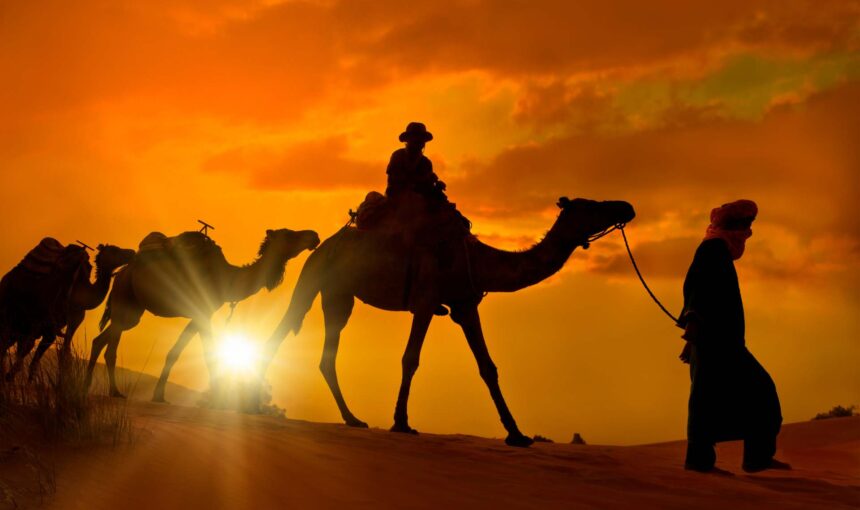
Morocco remains one of the most enchanting and safe countries to travel for those who respect its cultural customs and remain aware of their surroundings. With modest preparation, informed travel decisions, and cultural sensitivity, visitors can explore Morocco’s vibrant medinas, serene deserts, and welcoming communities with confidence.