
Imagine returning from your travels with stories not just of ancient cities, but of fragrant spices and shared feasts. The true soul of a place often lives on your plate. This guide is your key to unlocking those unforgettable experiences—a carefully crafted List of Moroccan Food that highlights the most essential dishes you need to try, from aromatic tagines simmering in clay pots to vibrant street food from bustling market stalls.
Your trip will be transformed into a culinary adventure through North Africa’s most flavorful cuisine. You’ll experience authentic flavors perfected over generations, blending Arab, Berber, and Mediterranean influences into something truly unique. Understanding what to seek out before you travel helps you make the most of every bite. Whether you’re in a family-run restaurant or at a roadside vendor, you’ll feel confident and ready to savor it all.
Introduction to Moroccan Cuisine
Every meal tells a story of empires, trade routes, and generations of family kitchens. This rich history makes the local cuisine one of the world’s great culinary traditions.
A Glimpse into Morocco’s Culinary Heritage
What you taste today is the result of centuries of exchange. The foundation is a beautiful blend of indigenous Berber traditions and Arab influences. Later, flavors from Andalusian Spain and France added further refinement.
This mix of cultures created a culinary crossroads with deeply layered flavors. Families have passed down cooking techniques for generations. This preserves the distinctive taste that makes the experience so memorable.
Influences from Arab, Berber, and Andalusian Traditions
You will notice an incredible balance of sweet and savory. It’s common to find dried fruits nestled alongside savory meats. A dusting of cinnamon might grace a hearty pie. Spices are used with great skill. They build aromatic depth rather than just adding heat. This makes each bite more complex and interesting.
Dining itself is a truly unique and communal experience. Meals are designed for sharing, bringing people together. Understanding this heritage connects you more deeply to the culture on your plate.
Understanding Moroccan Flavor Profiles
Before you taste your first authentic dish, it helps to know what makes the flavors so distinctive and memorable. The cuisine achieves its unique character through careful balancing of warm, aromatic elements with bright, fresh accents.
Signature Spices and Herbs
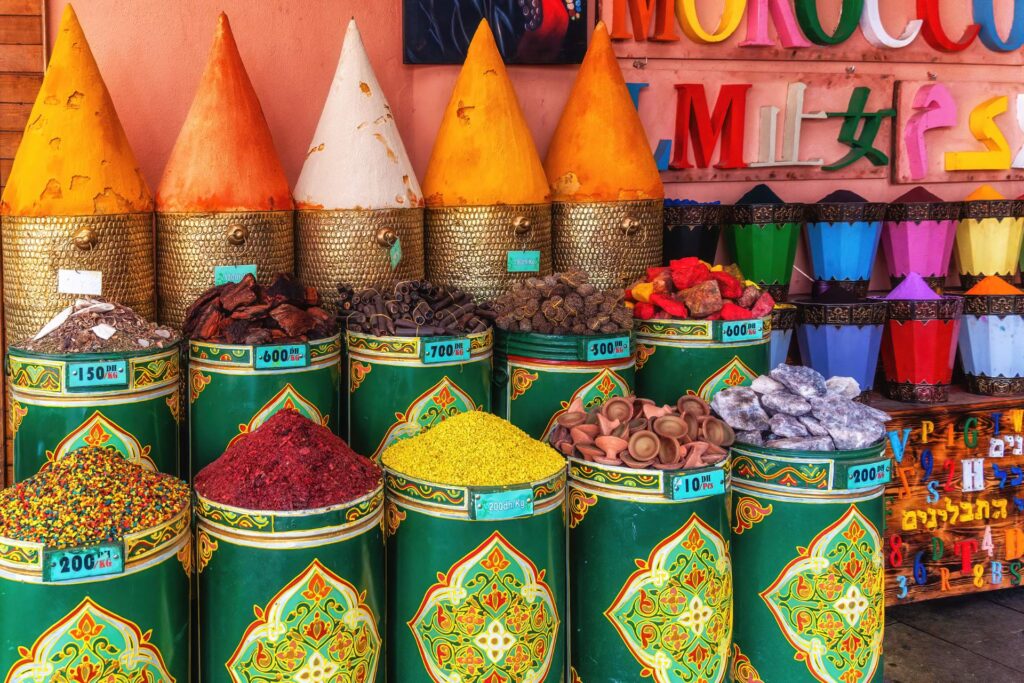
You’ll notice cooks use a generous blend of aromatic spices that create depth without overwhelming heat. Common choices include cumin, saffron, ginger, and cinnamon. Each contributes its own character to the final dish.
Fresh herbs like cilantro, parsley, and mint appear frequently. They add brightness that balances the rich, warm spices. This interplay creates the complex taste that defines the cuisine.
The Role of Citrus and Preserved Lemon
Citrus acidity plays a crucial role in cutting through rich dishes. The most distinctive element is preserved lemon, made by fermenting whole lemon in salt and juice.
This simple preparation of two basic ingredients transforms fresh citrus into something completely different. It adds a tangy, salty depth you won’t find in regular lemon.
Understanding these core components helps you appreciate the skill behind each authentic preparation you’ll encounter.
Essential Moroccan Ingredients That Make a Difference
Think of these ingredients as the building blocks that chefs and home cooks use to construct the incredible flavors you’re about to experience. Recognizing them will deepen your appreciation for every meal.
While countless components go into this vibrant cuisine, three elements are truly indispensable. You will find their distinct character shining through in tagines, salads, and marinades.
Preserved Lemon, Harissa, and Ras El Hanout
These three powerhouses form the holy trinity of authentic flavor. Each brings something unique to the table.
- Preserved lemon is a game-changer. Through fermentation, it develops a tangy, salty depth that fresh lemon can’t match, brightening tagines and sauces.
- Harissa is a fiery paste made from chiles and spices. It adds a kick of heat and a touch of acidity to marinades and grilled meats.
- Ras el hanout is the king of spice blends. Its name means “top shelf,” hinting at its complex, aromatic profile. You’ll taste ras el hanout in hearty meat dishes and vegetable stews.
High-quality olive oil is the foundation for sautéing and finishing dishes. Local varieties have a robust, fruity character that enhances everything.
Understanding these core components helps you see the beautiful consistency behind the seemingly endless variety. It’s a flavorful code you’ll start to crack with every bite.
Curated List of Moroccan Food to Try While Travelling
Your journey through Morocco’s culinary landscape begins with this essential guide. We have assembled the top selections that define the nation’s palate. This collection spans from celebratory feasts to simple street-side snacks. You will find everything organized for easy planning.
Each entry was chosen for its deep cultural roots and unforgettable taste. These are the dishes you can genuinely find and enjoy during your trip. We include both restaurant classics and popular street food. This gives you a full view of daily life and special occasions. You will understand what makes each moroccan food experience unique.
Knowing the story behind a recipe builds confidence when you order. This approach lets you savor the entire spectrum of flavors. Use this list as your personal roadmap. Check off each discovery and build a memory of favorite tastes from your adventure.
Exploring Tagine Dishes: The Heart of Moroccan Cooking
Among all the culinary experiences awaiting you in Morocco, none is more central than the tagine. This iconic clay pot with its distinctive conical lid represents the soul of local cuisine. You’ll see these vessels bubbling everywhere from roadside cafes to fine restaurants.
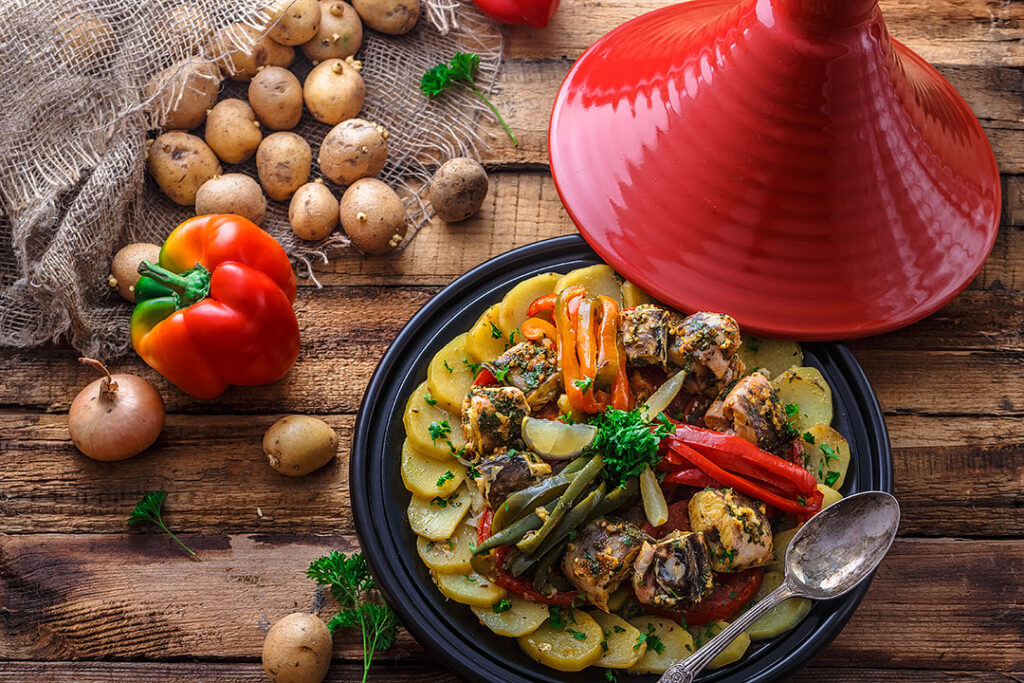
The magic happens through slow, gentle braising. The conical lid traps steam, continuously basting the ingredients below. This cooking method creates incredibly tender results that melt in your mouth.
Traditional Chicken and Lamb Tagines
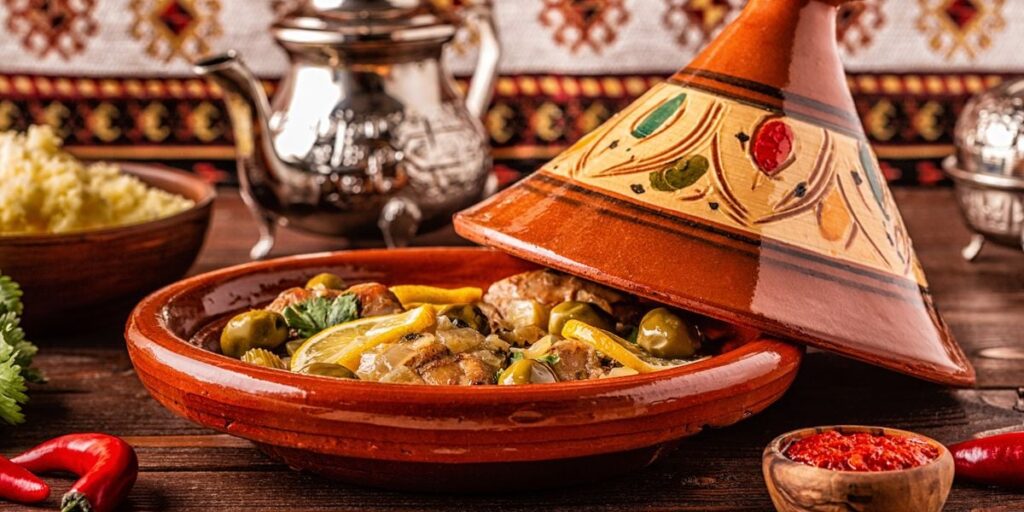
A classic chicken dish features juicy thighs marinated in aromatic spices. The traditional Moroccan version with olives and preserved lemon creates a rich, unforgettable sauce. This recipe perfectly balances savory and tangy flavors.
Lamb tagines offer deeply flavored meat that becomes fall-apart tender. Cooks often combine the lamb with dried fruits and vegetables. The result is a complex sweet-savory combination that defines this dish.
Modern Tagine Variations
Contemporary chefs have created exciting new versions while respecting traditional techniques. You’ll find vegetable-only options for vegetarians and seafood variations along the coast. These modern recipe innovations maintain the essence of the original cooking method.
Every tagine comes with fresh bread for scooping up the delicious sauce. Some chicken and lamb preparations also pair beautifully with fluffy couscous. The grain absorbs every drop of the flavorful cooking oil and spices.
This approach to meat preparation demonstrates a beautiful philosophy. Patient technique with quality ingredients creates extraordinary results worth discovering.
Couscous Creations: Steamed Grains and More
Steaming gently in a special pot called a couscoussier, couscous represents one of Morocco’s most cherished culinary traditions. This fine wheat pasta, known locally as seksu, requires hand-rolling and careful preparation to achieve its signature light, fluffy texture.
You’ll discover that proper steaming technique transforms simple grains into something extraordinary. The process demands patience but rewards you with perfectly separated, aromatic couscous.
Classic Moroccan Couscous
Friday holds special significance for this traditional Moroccan meal. Families gather around a large platter where steamed couscous forms a pyramid shape. Tender lamb or chicken crowns the top while vegetables nestle into the sides.
The rich broth serves separately, allowing each person to customize their portion. This presentation makes the dish as beautiful as it is delicious. Some recipe variations include sweet raisin preserves or buttermilk for contrasting flavors.
Fusion Couscous Dishes
Contemporary chefs honor the steaming technique while introducing creative new ingredients. Coastal regions feature seafood versions, while vegetarian options showcase seasonal produce. These modern dishes maintain the essence of the original recipe.
You’ll find that even innovative preparations respect the communal spirit of sharing. The meal remains a celebration of hospitality and connection. Learning to steam couscous properly represents a cherished skill passed through generations. This traditional Moroccan method creates the foundation for countless variations you can enjoy.
Delicious Moroccan Street Foods and Snacks
The real pulse of Moroccan culinary life beats strongest in its bustling street markets and squares. This is where you’ll find some of the country’s most exciting and accessible eating. Vendors serve hot, flavorful snacks from stalls and carts in every city.
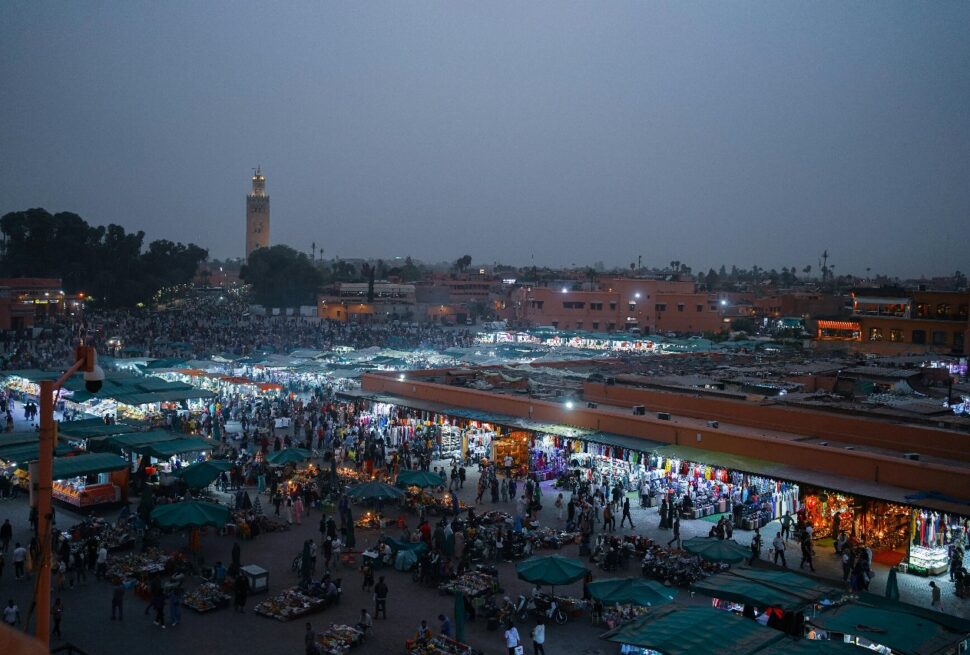
For the ultimate experience, head to Djemaa el-Fna square in Marrakech. Dozens of stalls create a legendary scene. You can try everything from classic grilled kebabs to more adventurous options.
Makouda and Grilled Kebabs
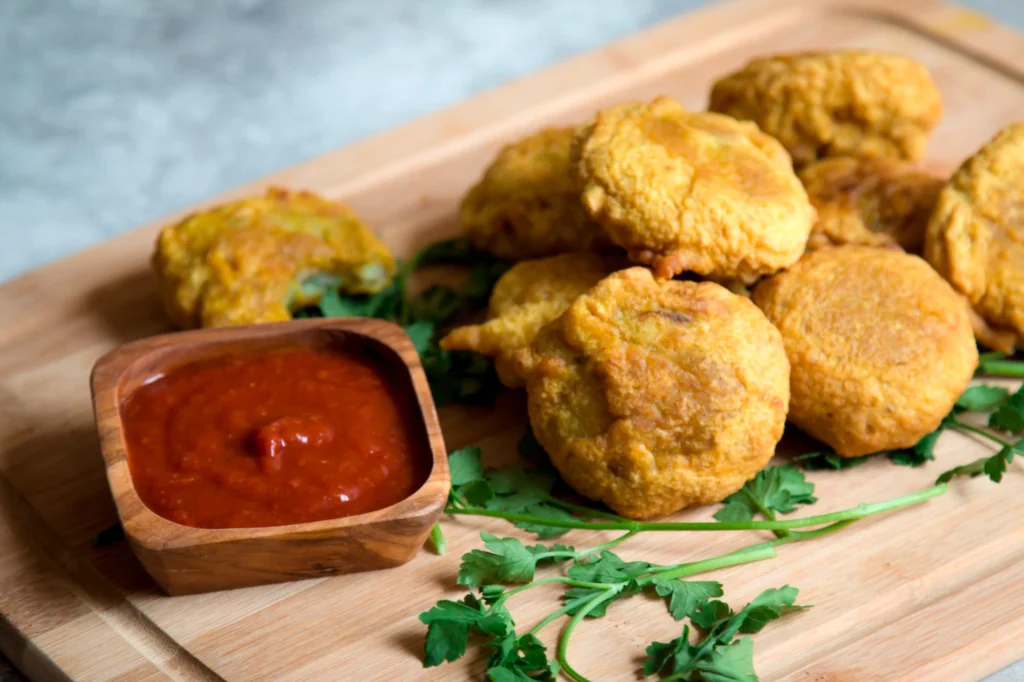
You must try makouda, addictive deep-fried potato balls. They have a crispy exterior and a fluffy interior. Traditionally, they are served with spicy harissa sauce for dipping.
Often, vendors will tuck them into fresh bread to make a satisfying sandwich. This simple dish is a perfect introduction to the vibrant world of local street food.
Grilled lamb kebabs and chops showcase a love for simply prepared, high-quality meat. They are seasoned with a traditional mix of cumin and salt. This allows the flavor of the lamb to truly shine.
The experience connects you directly with local culture. You eat standing alongside Moroccans, making it an authentic part of your moroccan food adventure. Prices are affordable, letting you sample widely.
Hearty Moroccan Breakfast Options
Starting your day with traditional breakfast dishes connects you immediately to local rhythms and flavors. These morning meals provide substantial energy for exploring markets and historical sites. You’ll discover options that work beautifully for any time of day.
Semolina Pancakes (Baghrir)
Baghrir are light, spongy creations made with semolina flour. When cooked correctly, they develop tiny holes perfect for absorbing melted honey and butter. This unique texture makes each bite incredibly satisfying.
You’ll find these breakfast pancakes in Marrakech cafés each morning. They’re typically served drizzled with honey or spread with apricot jam. The natural sweetness comes from honey rather than refined sugar.
Savory Shakshuka Moroccan Style
This version features eggs poached in a rich tomato and red pepper sauce. It comes together in just 30 minutes, making it perfect for busy travelers. The dish works equally well for breakfast, lunch, or dinner.
Serve your shakshuka with crusty bread for dipping into the flavorful sauce. The combination of eggs and vibrant vegetables provides lasting energy. This flexibility shows how morning meals can break fast effectively throughout the day.
Understanding these breakfast traditions helps you start each day like a local. You’ll enjoy sustained energy while experiencing authentic culinary culture.
Vibrant Moroccan Salads for Every Meal
Your culinary exploration takes an exciting turn when you encounter the diverse world of prepared vegetable starters. These dishes function much like Italian antipasti, offering a stunning introduction to the meal ahead.
Traditional dining begins with at least seven different cooked and raw vegetable creations. You’ll use fresh bread to scoop up these colorful preparations, experiencing a range of flavors and textures.
Tomato and Lentil Salads
The classic tomato salad showcases ripe, juicy tomatoes dressed with quality olive oil. Fresh herbs and traditional spices create a bright, refreshing start. A squeeze of fresh lemon juice and sometimes garlic complete this simple yet sophisticated dish.
Lentil salad provides heartiness with its protein-rich base. Dressed simply with olive oil and aromatic seasonings, it demonstrates how basic ingredients can create satisfying results.
Refreshing Carrot and Cucumber Mixes
Moroccan carrot salad transforms humble vegetables into something special. Fresh cilantro and warm spices elevate this simple preparation. The combination creates incredible flavor from just a few components.
Authentic cucumber salad offers cooling refreshment in minutes. Using Persian cucumbers with mint and a light vinaigrette, it provides the perfect balance to richer dishes. This quick preparation showcases the efficiency of local cooking.
These vibrant starters reveal a beautiful culinary philosophy. Fresh ingredients, quality olive oil, and proper seasoning create dishes that are both simple and sophisticated.
Moroccan Soups to Warm Your Soul
In a country known for its bold flavors, the humble soup pot holds some of Morocco’s most cherished culinary secrets. These warming bowls provide comfort and nutrition, with two iconic versions representing different occasions in daily life.
Classic Harira
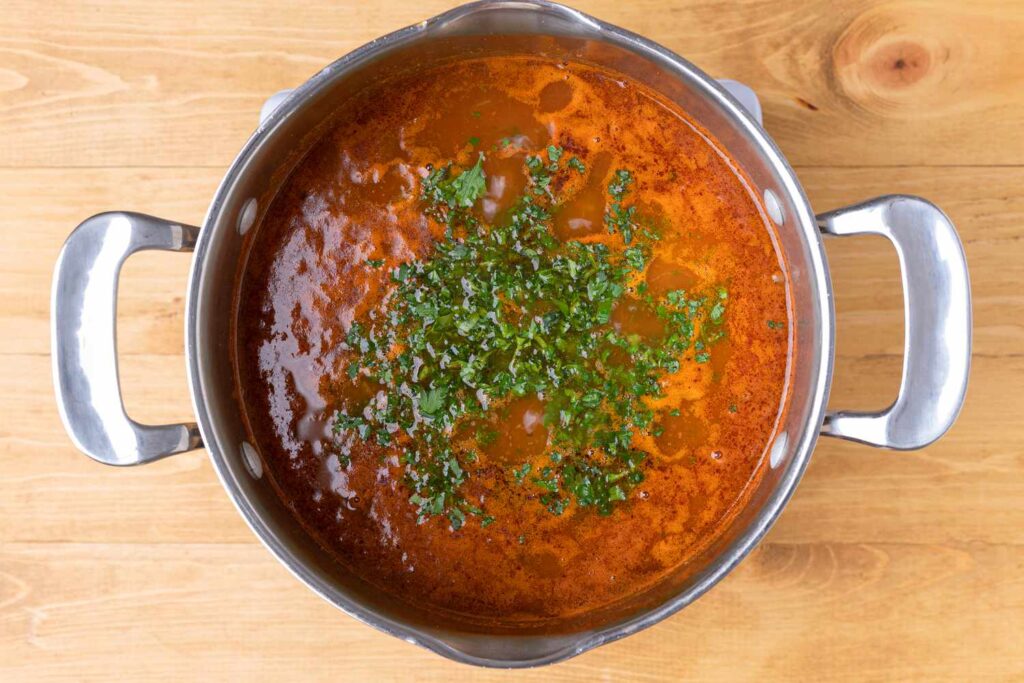
During Ramadan, families break their fast at sunset with steaming bowls of harira. This rich, hearty dish combines tomatoes, lentils, chickpeas, and lamb in a complex broth. The cooking process requires patience as ingredients simmer with warming spices and garlic until tender.
Each bowl finishes with a squeeze of fresh lemon juice and chopped cilantro for brightness. Traditionally served with sweet chebakkiya pretzels, this meal provides essential energy after a day of fasting. You’ll appreciate how the flavors meld together perfectly.
Hearty Fava Bean Soup (Bisarra)
For everyday nourishment, bisarra offers creamy comfort using just a few simple ingredients. This traditional fava bean soup is naturally vegan and gluten-free. Dried broad beans transform through slow cooking into a smooth, satisfying puree.
At just pennies per bowl, bisarra is traditionally served for breakfast. It comes topped with a swirl of olive oil, a sprinkling of cumin, and fresh bread for dipping. Some regions create chicken-based versions that might include harissa for added heat.
Both soups demonstrate how Moroccan kitchens transform basic ingredients into extraordinary experiences through thoughtful preparation and proper technique.
Delectable Moroccan Desserts and Pastries
Your sweet tooth will find paradise in Morocco’s exquisite dessert traditions, where delicate pastries meet rich, aromatic flavors. These creations showcase the country’s mastery of balancing honey’s natural sweetness with sophisticated spice complexity.
You’ll discover that desserts here are more than just endings to meals—they’re celebrations of craftsmanship and community.
Halwa Chebakia and Almond Pastilla
During Ramadan, families prepare halwa chebakia together as a labor of love. These flower-shaped sesame cookies get fried until golden, then steeped in fragrant honey infused with orange blossom water.
For an authentic Moroccan pastry experience, seek out gazelle horns. These delicate crescents feature a thin pastry shell wrapped around sweet almond filling. The name “cornes de gazelle” perfectly captures their elegant shape.
B’stilla represents the pinnacle of traditional Moroccan baking from Fes. Paper-thin pastry layers cradle a surprising blend of pigeon meat, almonds, and eggs. A dusting of cinnamon and sugar creates an unforgettable sweet-savory balance.
Sweets to Savor on the Go
Many local treats are designed for easy enjoyment while exploring. You’ll find vendors selling fresh pastries throughout the day.
Honey serves as the primary sweetener in most confections, with butter adding richness without heaviness. This combination creates desserts that feel indulgent yet refined.
Whether you’re celebrating a special occasion or simply treating yourself, these sweets offer a delicious glimpse into Morocco’s culinary artistry.
Refreshing Beverages: From Mint Tea to Fresh Juices
Beyond the rich tagines and flavorful couscous lies another essential experience: the vibrant world of local beverages that quench thirst and connect communities. These drinks are woven into daily life, offering both refreshment and cultural insight.
Authentic Moroccan Mint Tea
You cannot visit without experiencing Moroccan mint tea, affectionately called “Moroccan whisky.” This is the nation’s most beloved drink. The authentic Moroccan preparation uses gunpowder green tea, fresh spearmint, and sugar.
The recipe involves a specific technique. First, steep the gunpowder tea and wash it once. Then add fresh moroccan mint sprigs and sugar before steeping again. Traditional preparation calls for sugar chipped from a cone.
The ritual of pouring mint tea from a height creates a foamy crown. This aeration enhances the flavor. Refusing a glass of this sweet mint tea is considered impolite in traditional settings.
Vibrant Fresh Squeezed Juices
Street vendors press orange juice to order, especially refreshing during winter citrus season. This simple pleasure complements the complex flavors of Moroccan mint tea. Both beverages complete your culinary adventure.
Celebrating Moroccan Dining Traditions
The true magic of Moroccan culture reveals itself not just in what you eat, but in how you share it. These dining traditions turn every meal into a meaningful social experience. You’ll discover that connection matters as much as flavor.
Sharing Meals and Culinary Stories
Your meals will often be served on large, shared platters. Everyone gathers around, creating an immediate sense of community. This approach makes dining a truly interactive event.
Traditional Moroccan dinners follow a beautiful rhythm. They typically begin with a selection of vibrant salads. The main course, like a tagine or couscous, arrives next.
Fresh fruit and mint tea complete the experience. This structure aids digestion and encourages lingering conversation. The pace is deliberately slow and enjoyable.
Friday holds special significance for family dinner. After mosque prayers, relatives unite over a grand couscous feast. This weekly ritual strengthens bonds through food and stories.
Bread serves as your primary utensil throughout the meals. You tear pieces to scoop up savory meat, vegetables, and rich sauces. This tactile method makes every bite engaging.
Understanding these customs helps you participate respectfully. You’ll feel the generous spirit that defines this rich cuisine. It deepens your connection to the people welcoming you to their table.
Tips for Enjoying Moroccan Cuisine While Travelling
Getting the most from your culinary adventure in Morocco involves a few simple, smart strategies. Knowing where to eat and understanding local customs will transform your meals into unforgettable cultural experiences.
Where to Eat and What to Expect
Seek out family-run restaurants and busy street vendors for the top authentic moroccan experiences. These spots often serve the most memorable dishes, prepared with traditional cooking methods.
Dinner times are typically later, around 8 or 9 PM. Portions are generous, so consider sharing plates. Always ask vendors about their food; they love sharing their passion.
For street food safety, pick stalls with high customer turnover. This ensures freshness. The best cooking is often found where locals are eating.
Cultural Dining Etiquette
A little cultural knowledge goes a long way. Always eat with your right hand when using bread instead of utensils. It is a sign of respect.
Accept offers of mint tea graciously. Wait for your host to start the meal before you begin eating. This shows appreciation for their hospitality.
If invited to a home-cooked meal, accept! It’s the ultimate way to experience genuine authentic moroccan hospitality and cooking during your trip morocco.
Innovative Recipes for the Adventurous Palate
Today’s innovative cooks are putting fresh spins on traditional recipes while maintaining the soul of Moroccan cuisine. You’ll find chefs honoring centuries-old techniques while introducing exciting new flavors and presentations.
Fusion Dishes with a Moroccan Twist
Creative kitchens are blending Moroccan foundations with global influences. One exciting recipe might feature classic chicken tagine preparation with Asian vegetables. The essential spice blend remains authentic while the ingredient mix surprises your palate.
Another fusion version could incorporate Latin American chiles into harissa paste. This creates a familiar yet novel heat profile. The approach respects tradition while embracing culinary exploration.
Modern Takes on Traditional Flavors
Contemporary chefs are lightening classic preparations without losing depth. A modern lamb dish might use quicker cooking methods while maintaining complex spices. This recipe version makes elaborate meals more accessible.
Vegetarian alternatives are gaining popularity too. Plant-based meat substitutes receive the same careful spice treatment as traditional lamb. The result is a satisfying dish that honors Moroccan culinary philosophy.
These innovative approaches demonstrate how Moroccan cuisine continues evolving. Each new recipe builds upon generations of wisdom while welcoming contemporary creativity.
Conclusion
The journey ahead promises to transform your travels into a rich tapestry of flavors, connections, and cultural discoveries. You now have the essential knowledge to navigate this incredible culinary landscape with confidence.
You understand the building blocks that create authentic tastes. From the tangy punch of preserved lemon to the complex warmth of traditional spice blends, these elements define memorable dishes. Quality olive oil forms the foundation of many preparations.
Use this comprehensive list as your starting guide. But remain open to spontaneous discoveries along the way. The top experiences often come from unexpected encounters with local food traditions.
Your adventure through moroccan cuisine will create lasting memories. Embrace each meal as an opportunity to connect with people and culture. Let every bite tell its own unique story.
FAQ
What is the most important spice blend in Moroccan cuisine?
Ras el hanout is arguably the cornerstone spice blend. Its name means “top of the shop,” indicating a merchant’s best mix. This complex blend can contain over 30 spices, including cinnamon, cumin, turmeric, and cardamom. It provides the deep, warm, and aromatic base for many tagines and couscous dishes, defining the unique flavor profile of the cuisine.
How is preserved lemon used in Moroccan cooking?
Preserved lemon is a transformative ingredient. Lemons are cured in salt and their own juices, developing a soft, intensely fragrant, and uniquely savory flavor. Unlike fresh lemon, the peel becomes the star. It’s finely chopped and added to tagines, salads, and chicken dishes, offering a bright, salty punch that cuts through rich meats and adds incredible depth.
What is a typical Moroccan breakfast like?
A traditional breakfast is often a simple yet satisfying affair. You’ll commonly find fresh bread like msemen (flaky, square pancakes) or harcha (semolina bread) served with honey, olive oil, or jam. Accompaniments might include eggs, either scrambled or in a shakshuka-style dish with tomatoes, and of course, a pot of sweet, frothy mint tea to start the day.
Is Moroccan food generally spicy?
Moroccan cuisine is more about aromatic complexity than intense heat. While harissa, a chili and garlic paste, is available to add spice according to your preference, the foundational flavors come from spices like ginger, saffron, and ras el hanout. The heat is typically subtle and balanced, allowing the intricate blend of sweet and savory notes to shine.
What is the difference between couscous and pasta?
Though they look similar, couscous is not a pasta. It’s a type of tiny, hand-rolled pasta made from semolina flour. The key difference lies in the cooking method: authentic couscous is steamed multiple times over a simmering stew, allowing the grains to become light and fluffy while absorbing the aromatic vapors. This process is central to creating the classic dish.
What should I know about dining etiquette in Morocco?
Meals are often communal and shared from a central dish, like a tagine. It’s customary to eat with your right hand, using bread as a utensil to scoop up food. Accepting offers of mint tea is a sign of respect and hospitality. Remember to try a bit of everything offered—it’s a generous gesture appreciated by hosts.