
Ever wondered if a quiet town at the edge of towering dunes can still surprise you? This short guide to What To Do In Merzouga Morocco gives a clear entry point for your desert visit. The town sits beside Erg Chebbi and offers direct access to the Sahara Desert. Paved roads make this destination easy to reach by bus from Marrakech or Fes, or by a late Royal Air Maroc flight to Errachidia followed by a shared taxi. Camps moved behind the dunes in 2019, and Dayet Srji can host flamingos in winter when the lake fills.
This quick guide lays out the best things and practical tips so you can visit Merzouga on your own. You get transport notes, stay options, and small cultural stops that enrich your desert experience. Ready for a short trip that blends epic dunes, calm village life, and genuine moments? Keep reading for step-by-step planning, safety tips, and an action checklist that turns inspiration into a real plan.
Why Merzouga Belongs on Your Sahara Desert Bucket List
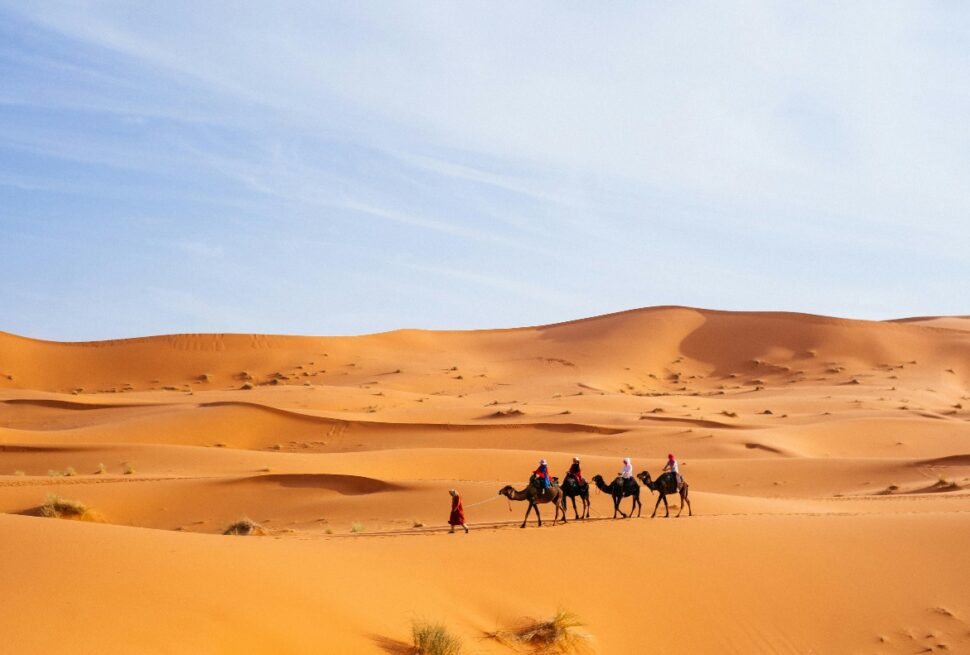
Nearby Erg Chebbi unfolds like an ocean of sand, offering wide horizons and steady desert rhythms. A short stroll from cafes and rooftops drops you onto sweeping ridgelines that change with every gust.
Erg Chebbi at a glance: towering dunes and timeless life
Erg Chebbi is the most iconic expanse of sand dunes here. You walk from town and find yourself amid long horizons, wind-sculpted crests, and a calm rhythm that feels ancient.
Trip vibe: calm village energy, epic dunes, unforgettable night skies
The village hums with local conversation and tea during the day, then opens into dramatic desert light at sunset. Night brings some of the darkest skies in the world, perfect for stargazing.
Pair large landscape moments with small cultural encounters. Visit Khamlia for Gnawa music, watch camels gather near Dayet Srji when water appears, and enjoy an authentic, unhurried desert experience that stays with you.

Best Time to Visit Merzouga and Erg Chebbi
Seasonal shifts change how the landscape feels, from cool daylight walks to crisp, dark nights. Pick dates that match your comfort and the activities you plan for the dunes.
Peak comfort runs from October through April. Day temperatures sit near 15–25°C, while night air drops to 5–15°C. That range makes walking and overnight camping pleasant if you pack layers.
Peak comfort: October to April
These months give mild days and cold nights — bring a warm jacket, wool socks, and a hat for evening stargazing.
Summer reality check
Summer heat can top 40–50°C, making long daytime dune trips unsafe. Plan activities around sunrise and sunset, and limit mid-day exposure.
March note
March often brings strong wind and sandstorms. Build flexibility into your trip and keep an indoor option like a riad visit or a Khamlia music stop.
Consider shoulder seasons (Mar–May, Sep–Nov) as an option if winter dates won’t work. Bring extra water — aim for at least a gallon per day — and focus on fewer, better windows rather than packing every day with outings in the Sahara Desert.
How to Get to Merzouga and Around the Dunes
Getting here is straightforward: reliable buses, a short flight with a taxi link, and paved roads that welcome rental cars. Choose the route that fits your schedule and comfort.
By bus
The easy way is Supratours. The overnight from Fez reaches town around 7 a.m., while the Marrakech day bus arrives near 9 p.m. Fares sit around €15–18 one way, and you can board along the route.
By air and shared taxi
Royal Air Maroc runs a late flight to Errachidia on select days (about an hour). Expect an overnight, then take shared taxis toward Rissani and onward for about €4.50. Plan an hour buffer for taxi changes and carry small bills.
By car
Roads are paved all the way; a 4×4 is unnecessary for reaching the town. Rental cars start near €30 per day in Errachidia and give freedom for scenic stops and flexible pacing.
Local logistics
Hotels will store large bags while you enter the dunes—bring only a small backpack for any desert walk or camel moment. Avoid driving on soft sand unless you have the right kit; park at your accommodation and use a guide or walk into the desert. Compare options—bus for value, car for flexibility, air-plus-taxi for speed—and confirm any tour or transfer the day before so pickup times match your arrival.
What to Do in Merzouga Morocco
Simple adventures around the dunes deliver big views without heavy planning or high cost. A one-hour hike reaches the highest ridge above town; bring water and a warm layer for the quick drop after sunset.
Free and low-cost favorites
Hike the highest dune for sweeping erg chebbi views and a memorable sunset. Dayet Srji sits about a 45-minute walk west and can host flamingos in winter; when dry, it still makes a calm picnic spot.
Desert classics
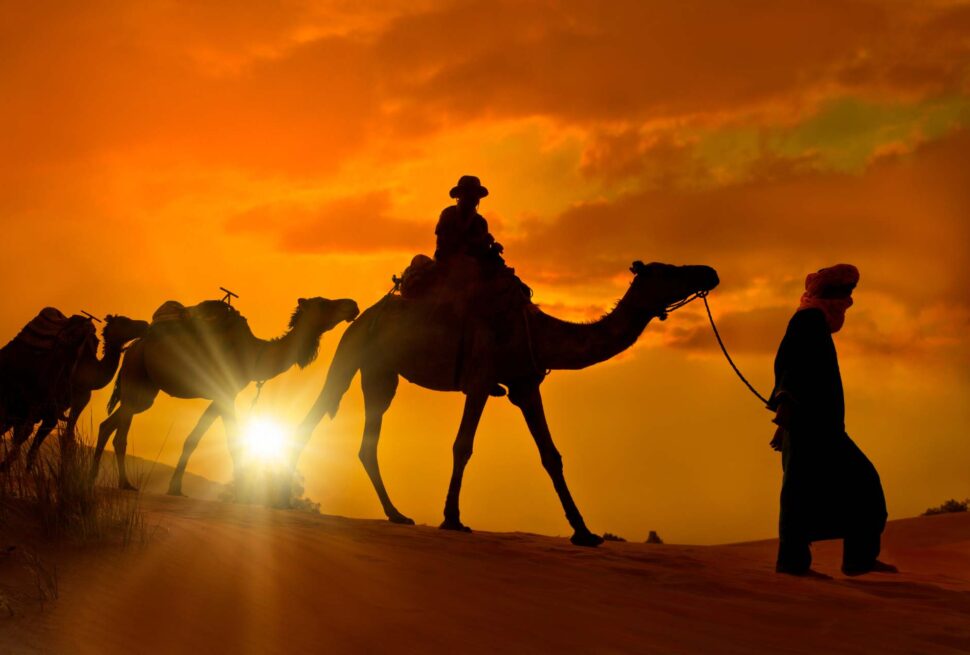
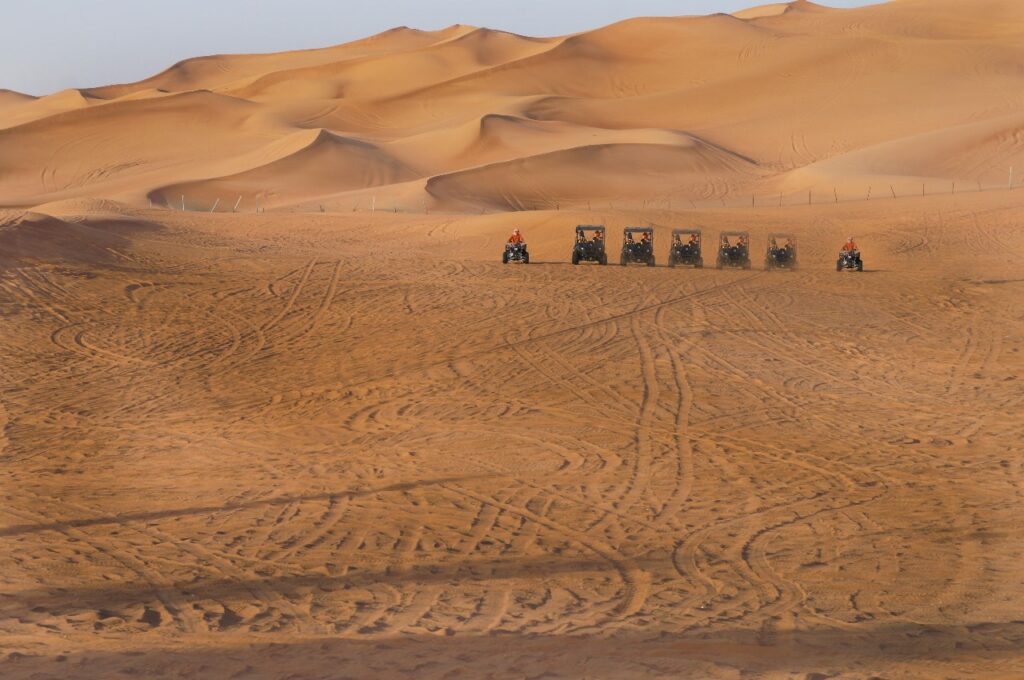
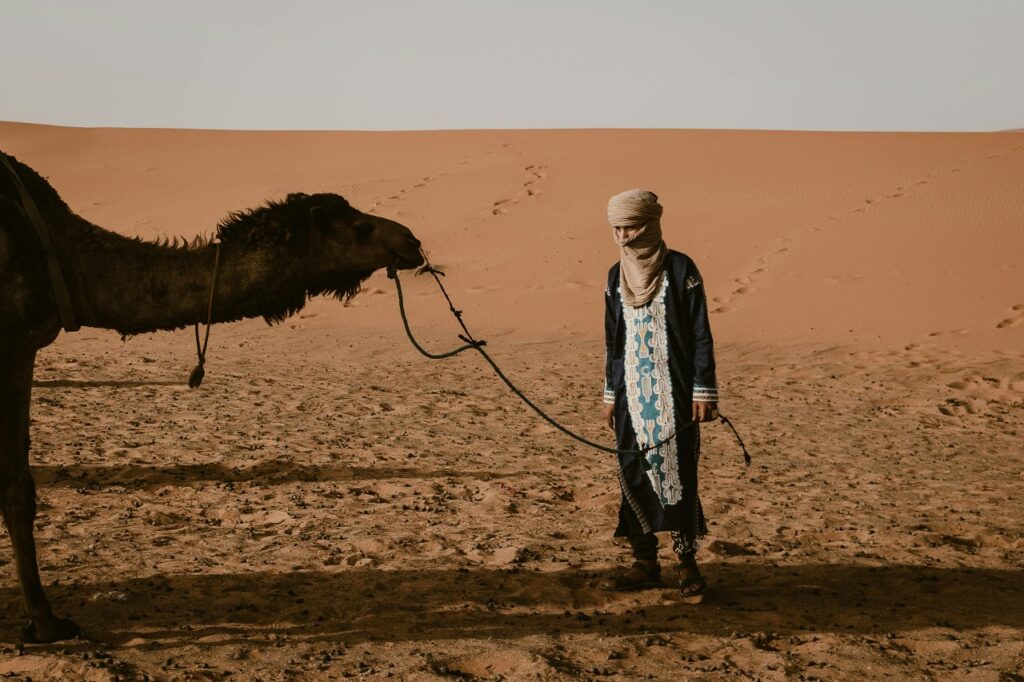
For active fun, try a short camel ride at sunset—roughly $17 for two hours—then rent a sandboard near the sand dunes for about 50–100 MAD per day. If you want adrenaline, book a 4×4 loop that mixes crest climbs with wide desert basins.
Star power
You can watch stars on your own from a dark dune or join Morocco Desert Stargazing for telescope sessions and expert commentary. Either way, the night sky is a major highlight of any desert trip.
Practical tip: carry water, a scarf, and a wind layer even for short outings, and pick one highlight each evening to keep logistics light and views rich.

Signature Desert Experiences You’ll Love
Your desert time can be shaped by movement—either a classic camel climb or an unhurried dune walk. Both offer strong views across Erg Chebbi and simple logistics, so pick the way that suits your energy and photo goals.
Camel ride vs. walking the dunes
Camel ride gives rhythm and height. It’s ideal for a relaxed sunset ride and classic desert framing. Walking gives control over light and angle. You can pause, shoot, and move without following a herd.

Overnight camp: what to expect now
Since 2019 most camps sit behind the dunes. Ask about bathroom type and whether there’s running water or a bucket flush.
Budget tents often offer basic bucket showers; many hotels keep showers for your return and store large luggage while you carry a small bag into camp.
Ask hosts about music by the fire, vegetarian dinner options, and dawn tea if you want a shaped night experience.
Sunrise and sunset strategies
Climb a ridge 20–30 minutes before peak light for softer shadows and empty frames. Stay a little longer for the warm afterglow.
Bring a scarf and lens cloth in windy seasons and avoid changing lenses on the dune. Add a short 4×4 tour if you want farther viewpoints or local reading skills from a guide.
Culture and Day Trips: Khamlia, Rissani, and Taouz
A short drive brings lively music, colorful stalls, and ancient rock art into a single day. This area pairs simple cultural stops with the vast desert landscape so you can feel both human rhythm and open sand in one outing.
Gnawa music in Khamlia
Visit the Khamlia village about 7 km south for live Gnawa music from groups like Bambara and Pigeon des Sables. These performances are powerful and rooted in trans‑Saharan history.
Support the musicians with a respectful tip or buy a CD. That direct support helps keep traditions alive while giving you an authentic moment.
Rissani market day
Plan a Sunday trip to Rissani for a busy market of produce, spices, donkeys, and everyday goods. Shared taxis run from the south end of town and take about 30 minutes for roughly 15 MAD each way.
Stay for a rooftop tajine at Café Esslimania and enjoy market color before heading back for golden hour on the dunes.
Taouz petroglyphs and access
Taouz rock art sits beyond easy roads. A 4×4 makes the visit simple, or you can park in Taouz and walk about an hour to the site.
Local guides in town offer short tours and navigation tips. Carry water, a scarf for wind, and consider a brief camel photo stop or tea with locals to round out the day.
Where to Stay: Town Riads, Kasbahs, and Desert Camps
Choose a base that fits your rhythm: a cozy riad, a fortified kasbah, or a night under canvas behind the dunes.
Sleep in town: riads and kasbah-style hotels
You can base yourself in town for comfort and walkable streets. Many riads and kasbah hotels store large bags while you visit the erg chebbi and offer rooftop views for sunrise or blue hour.
Benefit: easy access for early starts, solid hot showers on return, and organized transfers from your hotel.
Desert camp types: budget versus luxury
Compare camp choices carefully. Ask about bathrooms, hot water, power, and heating so your nights match expectations.
Budget tent setups may use bucket flush and simple showers, while higher-end desert camp options provide en suite facilities and more privacy.
Location matters: why many camps moved behind the dunes
Since 2019 camps relocated behind the sand for preservation and safety. That shift affects transfer times, wind exposure, and how sunrise feels from your camp.
Bring a small bag for the night; hotels keep luggage and usually let you shower when you return. You can book tours or arrange pickups through your stay for smooth transfers.
Tip: consider one night in town and one at camp if you want comfort plus starry desert nights.
Eat, Drink, and Shop Local in Merzouga
Local cafés and shops frame each day with bold flavors and simple finds. Start mornings with a Berber omelette at Café Itrane, where olives, fresh bread, and solid Wi‑Fi make planning easy before a desert outing.
Midday and evening options are hearty. Chez Youssef serves harira and home-cooked vegetarian plates, while grilled kofta and brochettes fill the night air with smoke and spice.
For a shared snack, head toward the village of Khamlia and try Café Nora’s famous “Berber pizza,” a stuffed flatbread that pairs well with local rhythms and occasional live music.
Tea and rooftops
Sip mint tea on a terrace like Café Ténéré at sunset. Rooftop seats frame the big dunes as light softens and sand patterns glow. Choose non‑alcoholic cafés and enjoy the calm social rhythm.
Souvenirs that last
Shop for colorful turbans and learn a simple wrap from a shopkeeper. Desert Fox, near the south end of the main street, sells camel leather shoes and bags at reasonable prices.
For gifts, visit Herbier Elmazouar for rose oil, rose water, and argan products that travel well. Carry small notes, ask prices up front, and buy items you’ll actually use once back home in the wider world.
Essential Tips: Safety, Packing, and Desert Know-How
A clear safety plan and light packing make any desert visit far more relaxed.
Safety and independence
You can travel independently with confidence: buses, flights, and shared taxis are reliable and paved roads reach the area. Tours are optional and a car is useful only if you want extra flexibility.
Check fuel and road conditions before long drives and leave your plan with your hotel. Keep emergency contacts saved and download offline maps for the best backup way to navigate.
What to wear and bring
Pack light long sleeves, pants, a wide‑brim hat or shemagh, and sunglasses. A scarf helps keep sand off your face and gear.
Shield cameras in zip bags and avoid changing lenses on dunes. Clean equipment carefully after each day to protect sensors and mounts.
Heat, hydration, and night comfort
Carry at least a gallon of water per person daily and sip steadily; double that amount for long trekking days. Rest during the hottest time at cafés or your room, then return late afternoon for soft light and stars.
Nights get cold. Bring a warm jacket, merino socks, and a sturdy tent with a thick sleeping pad if you camp. Multi‑day trekking works best Oct–Feb; March can bring strong wind, so plan accordingly.
Tip: if you plan an extra camel ride or an overnight tent, confirm route and pickup times with your host for a smooth night under the sahara desert sky.
Conclusion
Finish your planning with a simple promise: pick an option, step onto the dunes, and let the view set your pace. Choose a clear highlight — a sunrise ridge walk, a night at a desert camp, or a short camel ride — and build your trip around that moment.
Use Supratours, a flight plus shared taxi, or a self-drive on paved roads as your way here. Camps moved behind the dunes in 2019, so ask about transfers and facilities before you book. Prioritize erg chebbi at dawn and dusk, mix one cultural stop like Khamlia or Rissani, and leave space for stargazing. That balance gives a true sahara desert adventure while keeping logistics simple.
Keep summer heat in mind and plan hikes, tours, or trekking for cooler hours. With clear choices and a flexible guide, your visit merzouga will feel both easy and unforgettable.