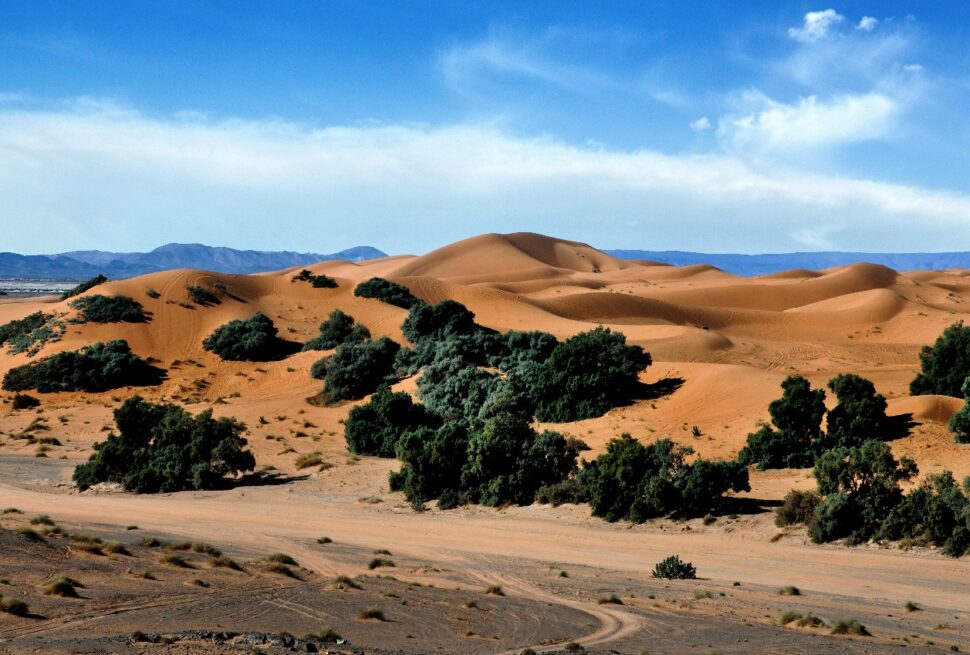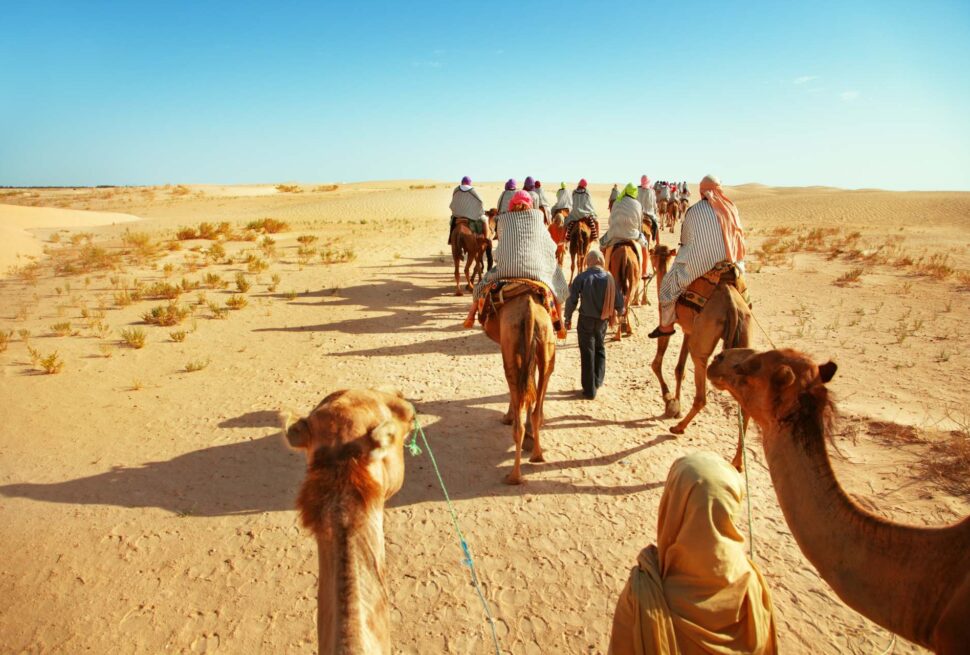
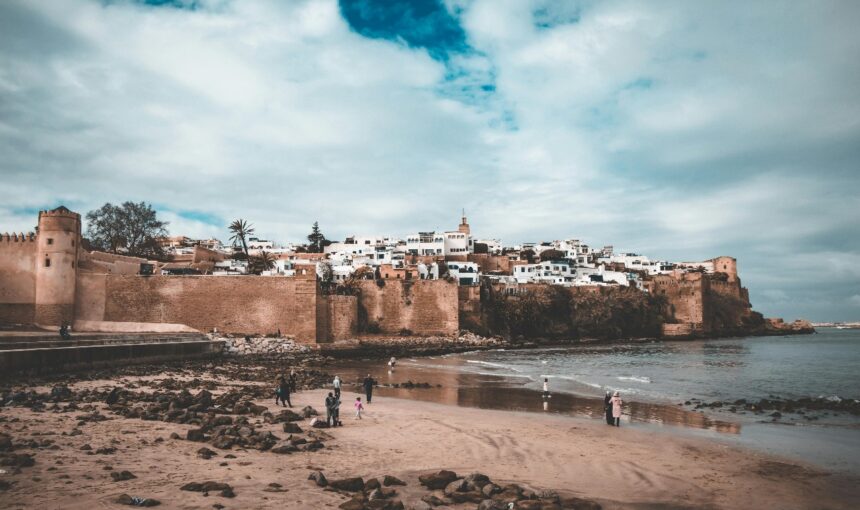
Curious if Morocco will match your travel expectations or challenge them? “What To Know Before Going To Morocco” gives clear, practical answers so you arrive prepared. You’ll read candid tips on safety for a woman traveling alone, clothing norms, and when the weather works best for treks in the Atlas or a Sahara night in Merzouga.
Expect advice on money, cards, and realistic costs, plus how people usually behave in medinas and what to do about pushy sellers and taxis. We’ll help you decide whether a private driver or group tour is worth the added cost, and how riads differ from hotels for comfort and booking security.
By the end you’ll have a short checklist for packing, money handling, transport, and respectful behavior so your trip starts with confidence rather than surprises in this rich, varied country.
Best time to visit Morocco
Seasonal shifts in Morocco alter weather, opening hours, and how lively cities feel. Aim for spring (March–early June) or fall (September–December) if your time is flexible. These months bring comfortable days and cool evenings, great for walking medinas and visiting places like Chefchaouen or Volubilis.
Spring and fall sweet spot
May days can be very sunny and late May in Marrakech may feel like summer. Plan mornings and late afternoons for sights, and keep museums for the hottest hours.
Summer heat and winter chill
Summer (June–September) brings a lot of heat, especially inland; local guides often advise avoiding these months. Desert regions swing from scorching daytime heat to chilly nights. In winter, pack layers—Atlas nights can be very cold and Ifrane even sees snow.
Traveling during Ramadan
Ramadan moves each year. Expect reduced opening hours, quieter streets, and fewer lunch options. Plan ahead for meals and check museum and shop schedules in major cities. Build buffer days into your trip so you can adapt if many people are traveling or if hours change.
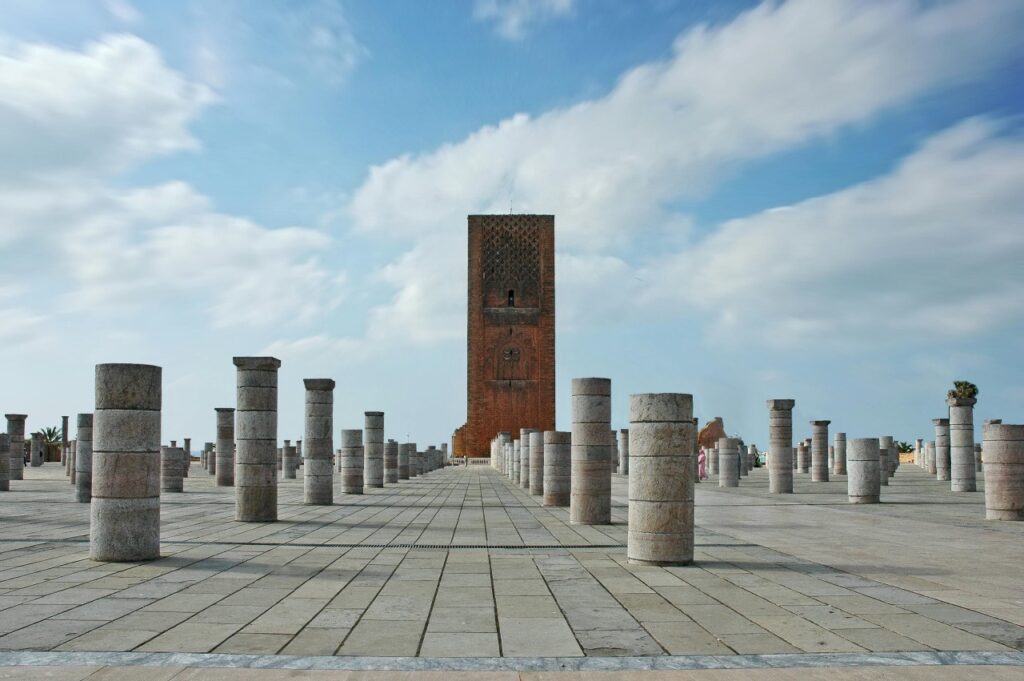
What to know before going to Morocco
Travel here rewards flexibility and basic planning. Plan your route, book key train or bus legs, and leave time to settle into each city.
You’ll find both highlights and frustrations: great hospitality, occasional scams, and uneven lodging or transport. Treat these as normal parts of visiting a different country rather than deal-breakers.
Decide your preferred way of moving. Go independent with day guides if you like freedom, choose a private driver for complex routes, or pick a small-group tour for convenience on desert and Atlas days.
List your non-negotiables—hot showers, quiet rooms, or air-conditioning—and book properties that match. Carry printed confirmations as a backup when connectivity is patchy.
Plan time-sensitive items early: desert camps, popular riads, and first-class train seats fill fast in peak seasons. Learn a few French or Arabic phrases; simple greetings ease interactions with people in markets and stations.
Finally, follow common-sense food hygiene tips, pack a small health kit, and accept that a flexible attitude often turns small glitches into memorable parts of your trip.
Culture, etiquette, and respect in a Muslim-majority country
Showing respect for local rhythms and rules eases travel in every city and medina. Simple adjustments help you meet locals on friendly terms and avoid awkward moments while visiting morocco.
Dress norms for women and men: modest, breathable, stylish
Plan on modest clothing that covers shoulders and knees. Loose, breathable fabrics keep you comfortable in heat while signalling respect for local culture.
Women and men both benefit from layered, flowy pieces. A lightweight scarf doubles as sun protection and quick shoulder coverage in sensitive settings.
Fridays, call to prayer, photos, and visiting mosques
Fridays change daily rhythms; many shops open later. The call to prayer rings five times each day—if you stay in a medina riad, earplugs help light sleepers and the sound can feel part of the local tapestry.
Non-Muslims usually cannot enter mosques. Save a visit for the Hassan II Mosque in Casablanca, where guided tours are available.
Always ask before photographing people. If a woman or other person declines, accept it gracefully. Many people prefer privacy for religious or cultural reasons, and respectful behavior wins trust from locals and tourists alike.
Remember: you are a guest in the country. Leading with cultural sensitivity opens doors and makes your trip easier in a world where small gestures matter.
Safety, scams, and street smarts for tourists
Stay alert on busy streets and trust simple habits that keep you safe. Walk with purpose in any city; looking confident cuts offers from people who want to “help” for a tip.
Solo women often feel safest by day and near main avenues at night. Consider hiring a licensed day guide for your first morning so you learn medina routes. When you need directions, ask established shopkeepers or women rather than following a man who insists he knows best.
Common hustles and quick defenses
The “that way is closed” trick aims to redirect tourists to paid services. Politely decline and head for a bigger shop or your riad if you feel pressured. If you want henna, use your hotel or a reputable salon. Street artists sometimes add fast‑drying mixes that irritate skin.
Pickpockets and posture
Pickpockets target bottlenecks and transport hubs. Keep valuables in a zipped crossbody, your off‑hand on the bag, and leave backups in the room safe. At night, arrange door‑to‑door transport from your riad; staff can confirm safe pickup points and warn you about riskier areas.
Money in Morocco: cash, cards, tipping, and prices
Handling money in Morocco can feel different, but a little planning keeps your trip smooth. The Moroccan dirham (MAD) is a closed currency, so you’ll withdraw local funds at ATMs or exchange desks after arrival.
ATMs are common in cities but rare in rural and desert areas. Break 100 and 200 MAD notes early, since vendors and taxis prefer small denominations.
Where cards work and when to carry cash
Most hotels, malls, and higher-end restaurants accept a card or credit payments. Small shops, stalls, and many cafés only take cash, so keep enough on hand for daily needs.
If you use a Wise or similar travel card, check ATM fees and withdrawal limits before you travel. Carry a backup card in case a machine rejects your primary one.
Tipping norms and rough guides
Tipping is expected and simple. For cafés and small restaurants, round up or leave a few dirhams. In nicer restaurants aim for about 10%.
For tours and transport: day tours 5–10%; multi-day guides roughly $20–$30 per person per day; drivers about $15–$20 per person per day. Hotel porters usually get ~20 MAD.
Practical tips: withdraw dirhams in big cities before remote legs, avoid street exchanges, and carry small notes for tips and restroom fees. Market prices often start high—bargain politely or use fixed-price shops when you want certainty.
Getting around: taxis, trains, buses, and private tours
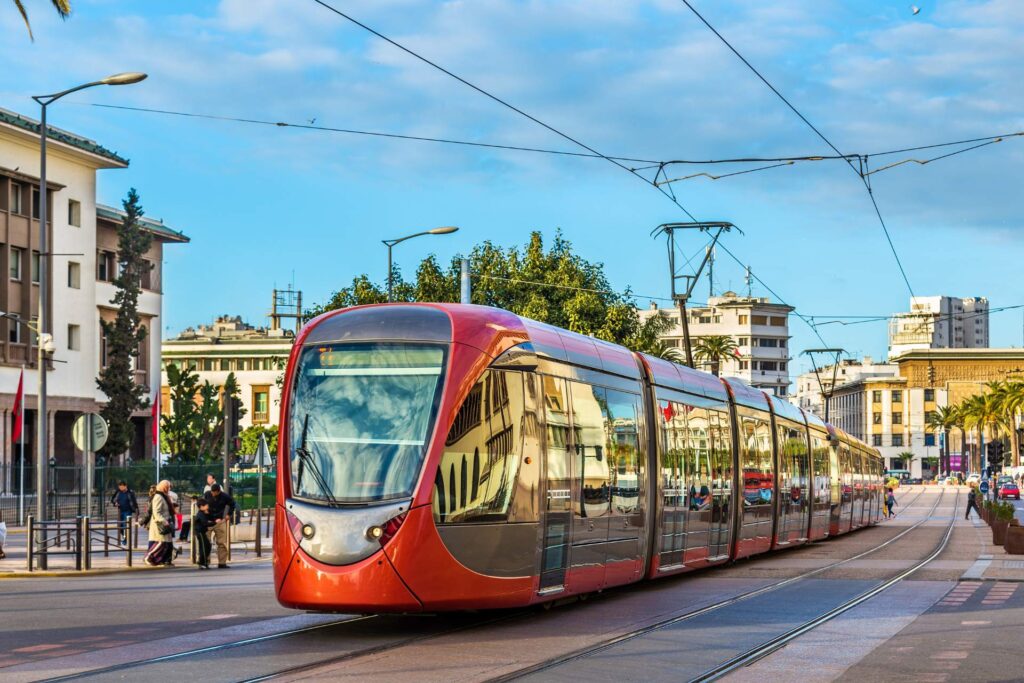
Transport choices shape your trip pace. Short city hops work well with petite taxis, while longer legs often call for trains, Supratours buses, or a hired driver.
Petite vs. grand taxis
Petite taxis are cheap for short rides. Always ask the driver to start the meter and remember the three-passenger rule. Typical short fares run about 20–30 MAD. If seatbelts matter, pick a grand taxi or book a hotel transfer—many petite cabs lack visible belts.
Trains and buses
Trains are reliable and comfortable. Upgrade to first class for space; compartments seat six. Trolley snacks are limited, so pack meals for a long day.
Supratours buses link many places well. Bring snacks—rest-stop food quality can vary—and buy tickets early on popular routes. Some lines sell out, especially for Chefchaouen.
When to hire a driver or join a tour
For the Atlas passes, Sahara approaches, and remote villages, private drivers or small-group guides simplify logistics and save time. A licensed guide on your first day in a medina helps you learn the way and avoid risky streets.
Confirm riad pick-up points for nighttime returns and keep luggage inside train compartments for security.
Guide or no guide: the best way to tour cities and souks
A skilled guide decodes lanes, stories, and customs so you enjoy the place more. For your first day in Marrakech or Fes, a guide can save time and point out craftsmanship you would miss on your own.
Pros of hiring a guide: medina mazes, local insight, language help
Good guides navigate tricky medina areas, translate on the fly, and add historical context that turns stalls and madrasas into meaningful stops.
They also help you meet local people and connect with artisans. That insight often makes a market tour feel like a cultural exchange rather than a shopping sprint.
Be guide-savvy: shop commissions, set your route, manage time
Ask your riad or trusted travelers for guide names and recent reviews. Set expectations up front: which neighborhoods and how much time in museums versus markets.
Many guides have store relationships and may earn commissions. Be firm about your route and politely decline unrequested detours to multiple rug or spice shops.
Compare private guide price with small-group tours for the same areas. Request transparent pricing and what the tour includes—museum fees, transport, and tips—so you avoid surprises.
Connectivity, tech, and power: staying online the smart way
Staying connected makes travel smoother and safer, whether you’re in a medina or a desert camp. Plan your digital setup before departure so maps, bookings, and emergency contacts are ready when you land.
Download an eSIM like Airalo before you fly; it worked across major cities and even at Sahara desert camps. Maroc Telecom provides wide coverage, so you’ll have signal in many regions.
Bring a universal adapter for Type C/E outlets and expect 220V/50Hz. If you have one U.S.-only device, pack a voltage converter in addition to an adapter. A compact power strip or T-adapter is a handy thing for charging multiple devices in a single riad outlet.
Practical extras
Back up digital copies of your passport, card, and bookings to the cloud; this helps in most countries if your phone is lost. Keep an offline map for medina navigation and test eSIM hotspot speeds before relying on it for a laptop.
Many cafés offer Wi‑Fi, but plan for offline stretches. Finally, set app-based two-factor authentication so your bank doesn’t lock a card while you’re abroad.
Food, water, and staying healthy on your trip
A few smart food and water habits will protect your energy and help you explore more days without interruption.
What to eat and what to skip: tagines, juices, and hygiene
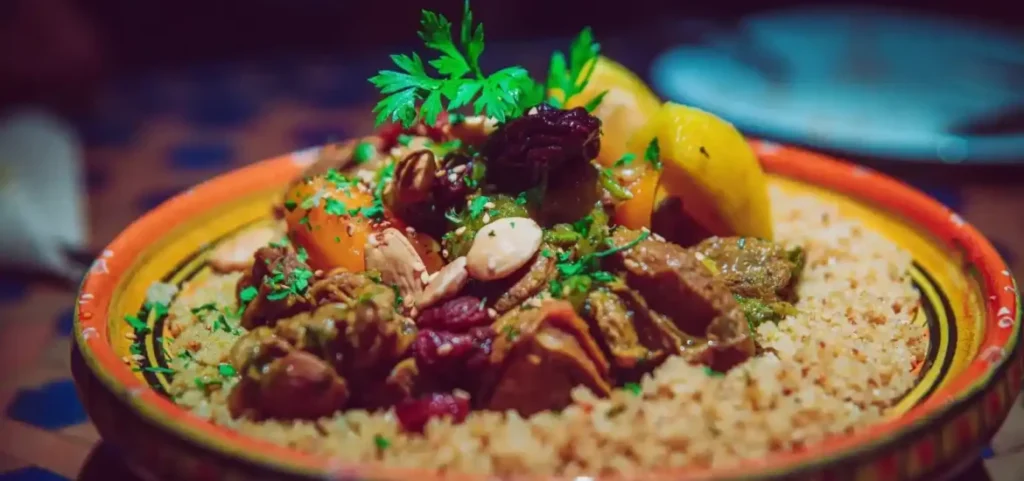
Savor iconic Moroccan dishes like tagines, couscous, and pastilla, but pick restaurants with a clear reputation and visible cleanliness. Local oranges are excellent and cheap—enjoy them at cafés or markets you trust.
Be cautious with street fresh orange juice; some stands dilute or add water. Unless a guide or your hotel vouches for a vendor, skip juice stalls that look rushed or overly wet.
Restaurant hygiene varies. Hot water at sinks can be rare and one traveler reported food‑borne illness on their first day in Marrakech. Wash or sanitize your hands before eating, especially when you share finger foods or handle cash in busy markets.
Your mini health kit: meds, hydration, and bottled water
Stick to bottled water for drinking and brushing your teeth, and carry a spare bottle in your day bag for hot afternoons. Keep hand sanitizer handy for quick cleanups.
Pack a compact kit: anti‑diarrheals, electrolytes or hydration packets, pain relievers, antihistamines, nausea medicine, probiotics, bandages, antibiotic cream, melatonin, and a few days of any prescriptions you need.
If someone in your group falls ill, rest and hydrate with oral rehydration packets and return to bland foods like soup and bread. Prices for many restaurant meals are reasonable by U.S. standards, but budget a little extra and choose places that show clean practices.
Final tip: consult your doctor about CDC vaccine recommendations before travel and consider probiotics if you have a sensitive stomach. These small steps reduce common tourist food risks and keep you exploring the world with confidence.
What to pack for Morocco: practical, modest, and versatile
Pack light, but pack smart: versatile layers will keep you comfortable day and night.
Build a simple capsule wardrobe with breathable pants, tees, below-the-knee dresses, a long skirt, and a light down jacket for flights or cool mornings. For women, loose pants and midi skirts work well, and one silk scarf or pashmina covers shoulders fast.
Shoes matter. Bring supportive sneakers for cobblestones and a sandals pair for warm afternoons. Break both in before you travel so blisters don’t slow you down.
Pack smart things that save space: a broad-brim hat, sunglasses, mineral sunscreen, and a refillable bottle clipped at your hand. Keep tissues, sanitizer, and basic meds reachable for quick fixes.
For tech, carry a universal adapter, a small USB hub, and a voltage converter if any device is not dual-voltage. Use a lightweight tote or packing cube as a day organizer inside your crossbody — it’s a safe way to carry essentials and deter pickpockets.
Final tip: include a swimsuit if pools or hammams are on your plan, and keep printed booking copies in a slim folder. This small prep makes travel around the country easier and more relaxed.
Shopping the souks: bargaining, fixed-price shops, and fair pay
Souk shopping mixes bright displays with a clear social rhythm—bargaining is part of the visit. Start by visiting one or two fixed-price shops, like Dar Bouchaib in Marrakech, to learn a realistic price baseline.
How to haggle respectfully
Bargaining is expected, so open with a firm offer—often 25–50% of the seller’s first ask. Move slowly and smile; walking away is normal and often brings a better counteroffer.
Example: a leather messenger bag opened at 1500 MAD and sold for 430 MAD. That shows how flexible initial prices can be.
Spices, rugs, and quality checks
Buy spices at Berber pharmacies where items come sealed and kept away from dust. Inspect rugs, leather, and ceramics by touch—check dye rub, stitching, and finish.
Carry small notes of cash for final payment. If a guide insists on detours, stick to your plan and decline politely. A fair, well-priced handmade keepsake adds value in a world of mass production.
Where to stay
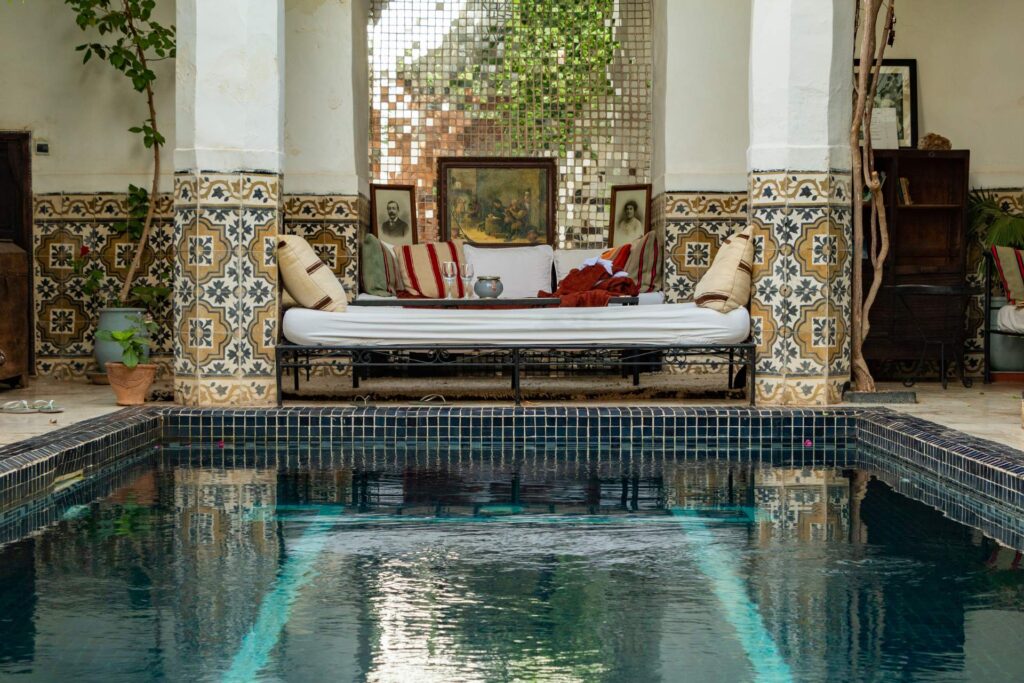
Choosing where you sleep shapes how you experience each city. A riad offers charm and an intimate courtyard, while a modern hotel delivers predictable service and easier car access.
Riad realities
Riads sit deep in medinas and often feel atmospheric. Courtyard acoustics magnify voices, so they can be lively at night. Rooms that face the courtyard pick up more sound. Upper-floor rooms tend to be brighter and quieter, but they may require stairs and limit luggage drop-offs.
Booking smart
Always print confirmations that list room type, guest count, and the agreed price. These papers protect you from last-minute misunderstandings about beds or extras.
Ask the property about heating, cooling, and water pressure before you arrive. Clarify whether taxes, breakfast, or city fees are included in the price you paid.
Practical tips: arrange a transfer for late arrivals so someone meets you at the agreed place. If noise concerns you, request a room away from the courtyard and pack earplugs—many people report better sleep with this small step.
In peak season, favorite places fill fast. Book early, keep backup options starred on your map, and insist on the room you reserved or a written, fairly priced alternative at check-in.
Conclusion
This final note pulls the practical threads into a simple plan you can use on the road. Plan your time for spring or fall, allow flexibility during Ramadan, and pick when a guide or a tour truly adds value—medina orientation, Atlas passes, or a Sahara night.
Keep money simple: withdraw cash in cities, break big notes, and follow clear tipping bands. Dress modestly, ask before photos, and accept mosque limits as part of local faith. Use an eSIM, carry adapters, pack a mini health kit, and book lodgings that match your comfort and price needs. A calm pace, polite refusals, and basic planning make the trip richer for you and the people you meet.